Warmly vs Drift: Customer support chatbot AI for B2B teams (2025)
Warmly identifies anonymous website visitors at the person level with names, titles, and contact details, while Drift primarily captures company-level data requiring manual implementation for individual identification. This distinction matters because 78% of buyers finalize specifications before contacting sellers, and platforms with deeper visitor intelligence help sales teams engage prospects during active research phases rather than waiting for form fills.
TLDR
• Drift requires visitors to engage first or manual implementation of its identify method, while Warmly automatically reveals person-level details including names, emails, and phone numbers for anonymous visitors
• Only 2-5% of B2B website visitors convert through forms, leaving the vast majority unidentified by traditional chatbot approaches
• Warmly customers report significant pipeline impact, with Behavioral Signals generating $7M in pipeline since implementation
• Drift's enterprise pricing starts at $2,500 per month compared to Warmly's focus on small to mid-market teams
• Both platforms maintain GDPR compliance through business data processing, though implementation approaches differ significantly
• Real-time alerts through Slack and CRM integrations enable immediate outreach while prospects are still engaged on-site
B2B sales teams evaluating Warmly vs Drift face a critical decision that goes far beyond chatbot features. The difference between closing deals and watching prospects slip away increasingly comes down to one factor: how deeply you understand who is actually visiting your website.
Drift built its reputation on conversational marketing, but modern revenue teams are discovering a fundamental limitation. While Drift excels at engaging visitors who raise their hand, it struggles to identify the vast majority who browse anonymously. Warmly takes a different approach, offering person-level visitor intelligence that reveals exactly who is researching your solution before they ever fill out a form.
This distinction matters because 78% of buyers finalize their specifications before contacting a seller, and 84% purchase from the first vendor that engages them. The chatbot that can identify and act on visitor intent first wins the deal.
Why does visitor intelligence now decide chatbot ROI?
Identifying hidden visitors represents one of the biggest untapped opportunities in modern B2B sales. Yet most chatbot platforms only capture the tiny fraction of visitors who voluntarily provide their information.
Visitor intelligence transforms this equation by combining IP-to-company matching, behavioral signals, and data enrichment to identify anonymous traffic. The technology matches IP addresses to business intelligence databases containing company and contact records, turning anonymous sessions into actionable sales intelligence.
The stakes are significant. With only 2-5% of visitors converting through forms or direct outreach, the vast majority of website traffic stays completely anonymous. For B2B teams, this means missing the 78% of buyers who complete their research before ever reaching out.
Drift allows you to send additional visitor information to enrich contact records, which helps sales and support teams gain context during conversations. However, this approach relies on visitors first engaging with the chatbot or being identified through manual implementation.
Key takeaway: The chatbot that identifies visitors earliest and enriches their profiles most completely will consistently win the speed-to-lead battle that determines 84% of B2B deals.
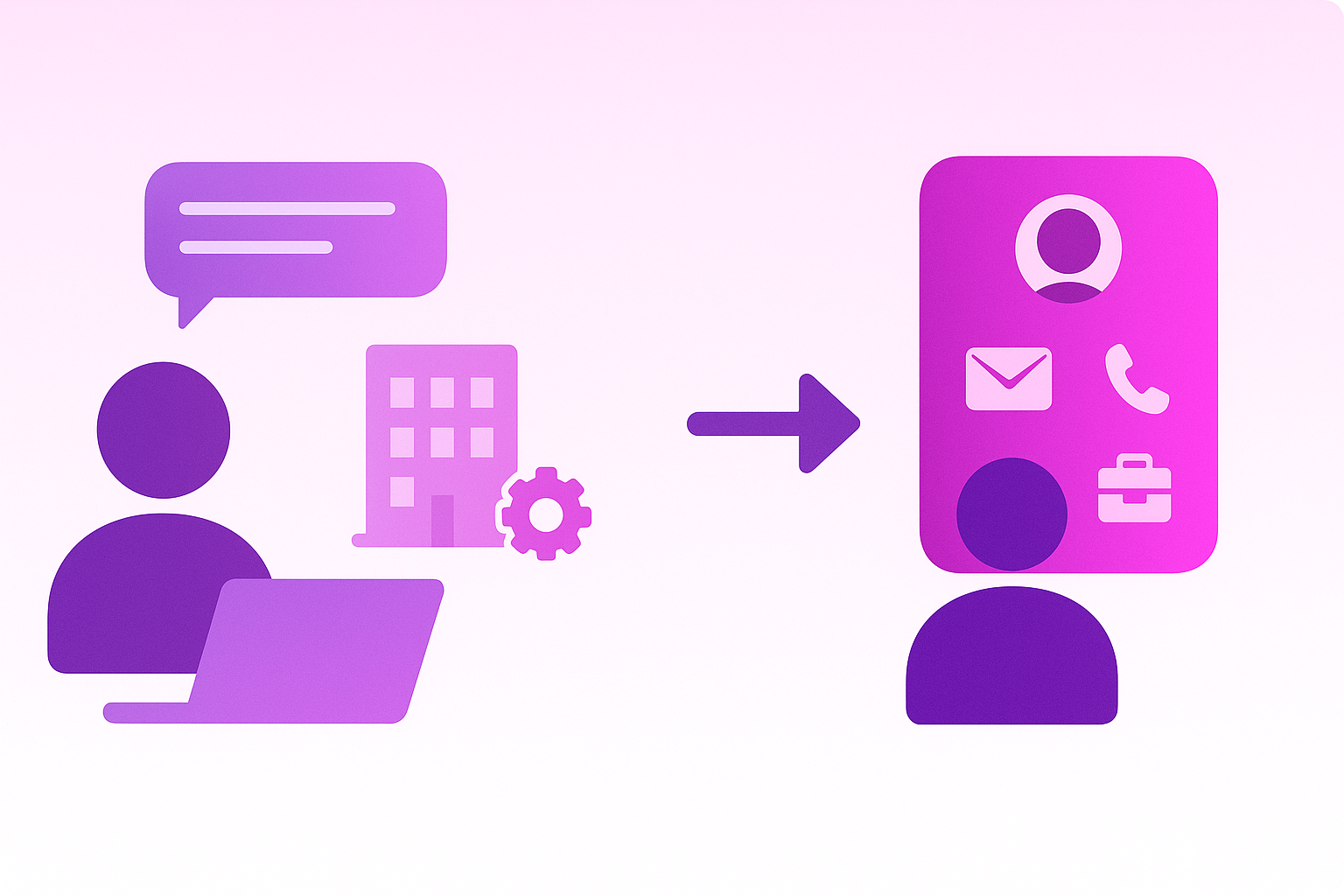
Where does Drift's conversational UI fall short on person-level data?
Drift pioneered conversational marketing and remains a capable platform for engaging website visitors. However, its approach to visitor identification reveals important limitations for B2B teams seeking person-level intelligence.
The platform's identification workflow depends primarily on the drift.identify method, which syncs the identity of a contact or site visitor currently on your website with Drift. This creates a fundamental challenge: identification only occurs when you already know who the visitor is and can pass that information to Drift.
More concerning, improper implementation of this function can lead to visitors seeing chat history of each other if non-unique external identifiers are issued. This privacy risk adds complexity to deployment and ongoing management.
User reviews on G2 paint a mixed picture. While some praise Drift as "a highly effective online conversion tool" that was easy to implement, others describe it as "a company in decline," with one reviewer noting: "Having been with Drift for 3 years the best summary I can give is that this is a company in decline. We recently decided not to renew."
Drift excels at what it was built for: engaging visitors who initiate conversations. The platform is categorized as Business Scheduling, Conversational Support, AI Sales Assistant, Chatbots, and Live Chat. Yet this focus on reactive engagement means missing the majority of high-intent visitors who browse without chatting.
Enterprise price vs data depth
Drift's pricing structure raises questions about value for teams prioritizing visitor intelligence over conversational features alone.
| Factor |
Drift |
Consideration |
| Entry-level pricing |
$2,500 per month |
Premium tier starting point |
| Typical range |
$500-2,000+ per month for custom pricing |
Requires demo for quote |
| Identification depth |
Account-level with manual person-level implementation |
Depends on external data sources |
| Market segment |
51.6% mid-market users |
Enterprise-oriented pricing |
The pricing model reflects Drift's positioning as an enterprise B2B sales platform with powerful lead qualification and routing, but it requires CRM integration and carries a higher price tag than alternatives offering native visitor intelligence.
How does Warmly unlock person-level intent signals & instant enrichment?
Warmly approaches visitor engagement from a fundamentally different starting point. Rather than waiting for visitors to identify themselves, the platform reveals exactly who is showing intent including their name, title, email, and phone number, not just the company name.
This person-level identification changes what's possible for sales teams. When a decision-maker from a target account visits your pricing page, Warmly surfaces that individual immediately rather than simply noting that "someone from Company X" browsed your site.
The platform combines first-party website engagement data with third-party intent signals to create comprehensive buyer profiles. Behavioral Signals, an emotional intelligence AI provider selling to banking firms and contact centers, experienced this difference firsthand.
"Before Warmly, the tool that Jay's team was using would inform them of visits 1-2 days after the fact, and lacked any form of identification," according to a Warmly case study. After implementing Warmly, Behavioral Signals achieved remarkable results: within the first month alone, they went from prospect intent to first meetings in under 2 weeks, generating nearly $2 million in pipeline.
The total impact has been substantial. Since working with Warmly, Jay's team has sourced nearly $7M in pipeline, demonstrating how person-level identification translates directly to revenue.
Real-time buyer alerts inside CRM & Slack
Person-level identification only matters if sales teams can act on it immediately. Warmly delivers real-time buyer intent alerts through multiple channels:
• Instant notifications when high-intent visitors land on key pages
• Slack alerts enabling immediate outreach while visitors are still engaged
• CRM synchronization that automatically enriches contact records
The Qualified Signals platform takes a similar approach, with users reporting significant results. As one marketing leader noted: "With Signals, we know which target accounts are in research mode, helping us strike at the right moment in the buying journey. We've seen $7.2M influenced pipeline and 927% ROI. Absolutely fantastic!"
Warmly's chat functionality allows teams to talk to prospects directly at the time they are most interested while they exhibit high-intent behavior on the website. This combination of identification plus immediate engagement capability creates a significant advantage over platforms that only enable one or the other.
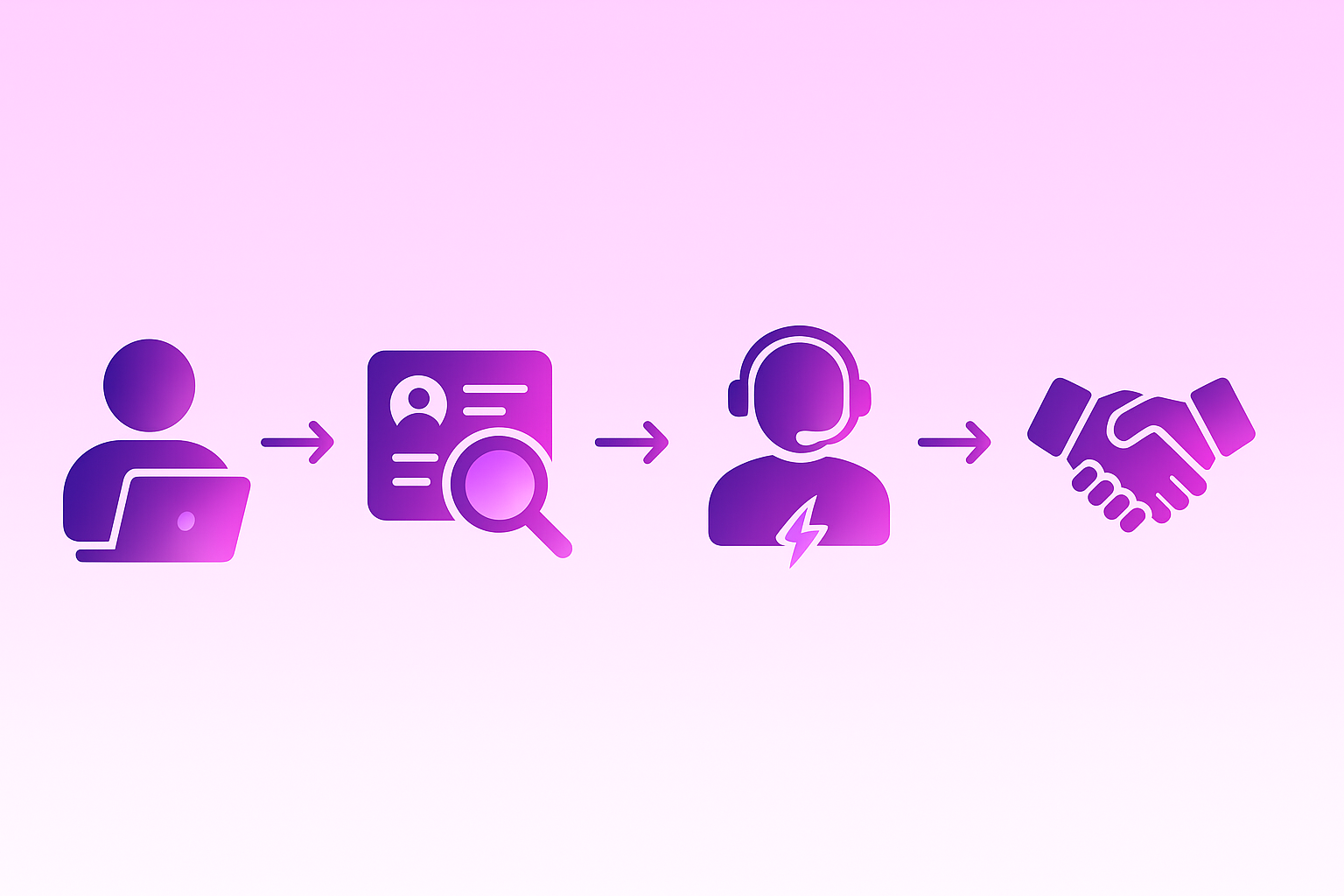
How person-level data accelerates pipeline
Speed to lead isn't merely a metric. "Speed to lead isn't a metric; it's a revenue multiplier," as LeadSquared notes. The data supports this assertion: 78% of the time, the deal usually goes to whoever responds first.
Person-level intent data enables this speed advantage by eliminating the research phase that delays most outreach. When you already know who visited, what they viewed, and their likely buying stage, sales teams can craft relevant messages immediately rather than spending time on discovery.
84% of business leaders acknowledge that the marketing-to-sales handoff is one of the most significant challenges they face. Person-level visitor intelligence smooths this transition by providing both teams with identical, real-time views of prospect activity.
The pipeline impact compounds over time. Organizations that align sales and marketing around shared intelligence see 42% faster connections with qualified leads according to Gartner research.
Companies using intent data report significant improvements in conversion rates and lead generation efficiency, though specific results vary based on implementation quality and market conditions.
Privacy & compliance: how can you scale intelligence without breaking GDPR?
Scaling visitor intelligence raises legitimate privacy concerns. The good news is that modern platforms have developed approaches that deliver meaningful identification rates while maintaining compliance.
Leadinfo processes exclusively business data, no personal data, achieving identification rates of 35-40% without privacy violation through network metadata and IP-ASN mapping. This cookieless approach has been adopted by more than 20,000 European companies for GDPR-compliant lead generation.
Drift addresses privacy through clear guidelines: "Drift respects privacy rights and data protection laws. You may only share other people's personal information with Drift, whether directly or through third-party integrations, if you are permitted to do so under applicable law."
For compliant implementation, adopt a privacy-first approach:
• Use consent-based activation for non-essential tracking
• Minimize and pseudonymize personal data through IP masking
• Prefer first-party and server-side collection methods
• Maintain vendor DPAs and retention policies
• Validate legal bases per jurisdiction
The key distinction lies between identifying companies (generally permissible) versus identifying individuals (requiring appropriate legal basis). Warmly's approach focuses on business data enrichment while maintaining compliance with both GDPR and CCPA requirements.
Evaluation checklist: picking the right chatbot + intelligence stack
Selecting between Warmly and Drift, or any chatbot platform, requires evaluating multiple factors beyond surface-level features. Use this framework to guide your decision:
Visitor Identification Depth
• Does the platform identify visitors automatically, or only after they engage?
• Is identification at the company level or person level?
• What percentage of visitors can typically be identified?
Speed-to-Lead Capabilities
• How quickly does visitor data reach your sales team?
• Are real-time alerts available through CRM and Slack?
• Can you engage visitors while they're still on site?
Integration Requirements
"Standalone chatbots create data silos. And data silos kill deals," according to Nutshell's analysis. Evaluate whether the platform requires extensive integration work or offers native CRM connectivity.
Total Cost of Ownership
| Platform |
Starting Price |
Key Strength |
| Drift |
$2,500/month |
Enterprise conversational AI |
| Warmly |
Contact for pricing |
Person-level intent intelligence |
G2 ratings provide additional context: Warmly holds 4.7 out of 5 stars from 196 reviews, while Drift has 4.4 out of 5 stars from 1,251 reviews. Warmly's user base skews toward small business (89% of reviews), while Drift serves primarily mid-market organizations (51.6% of reviews).
37% of B2B sales transactions happen outside office hours, but most companies miss these leads. Ensure your chosen platform can capture and qualify leads around the clock.
Key takeaways: why person-level intelligence wins
The true power of visitor intelligence emerges when it's integrated directly into sales workflows, providing real-time insights that enable timely and relevant outreach.
Drift remains a capable conversational marketing platform with strong enterprise adoption and proven chatbot functionality. However, its reliance on visitors to identify themselves creates a fundamental blind spot in an era when most buyers research anonymously.
Warmly addresses this gap by leading with person-level identification rather than treating it as an add-on. For B2B teams competing on speed-to-lead, where the first responder wins 84% of deals, this architectural difference translates directly to pipeline.
The choice ultimately depends on your priorities. If you need sophisticated conversational workflows for visitors who actively engage, Drift delivers proven capabilities. If you need to identify and act on the majority of visitors who browse without chatting, Warmly's intent intelligence approach offers a compelling alternative.
For B2B SaaS companies using website visitor identification and intent-based outbound, Warmly provides the person-level data foundation that modern revenue teams increasingly require. The platform's combination of visitor identification, real-time alerts, and automated outreach capabilities creates a unified system for converting anonymous traffic into qualified pipeline.
Frequently Asked Questions
What is the main difference between Warmly and Drift?
The main difference lies in visitor intelligence. Warmly offers person-level visitor intelligence, identifying who is visiting your site, while Drift focuses on engaging visitors who initiate conversations.
How does visitor intelligence impact chatbot ROI?
Visitor intelligence enhances chatbot ROI by identifying anonymous visitors and providing actionable sales intelligence, which is crucial as most buyers finalize decisions before contacting sellers.
What are the limitations of Drift's visitor identification?
Drift's visitor identification relies on the drift.identify method, which requires prior knowledge of the visitor's identity, limiting its ability to identify anonymous visitors.
How does Warmly enhance sales team performance?
Warmly enhances sales performance by providing real-time person-level intent signals and instant enrichment, allowing teams to engage high-intent visitors immediately.
How does Warmly ensure compliance with privacy laws?
Warmly focuses on business data enrichment and maintains compliance with GDPR and CCPA by using consent-based activation and minimizing personal data collection.
Sources