




%201.svg)












What is Warmly's Context Graph?
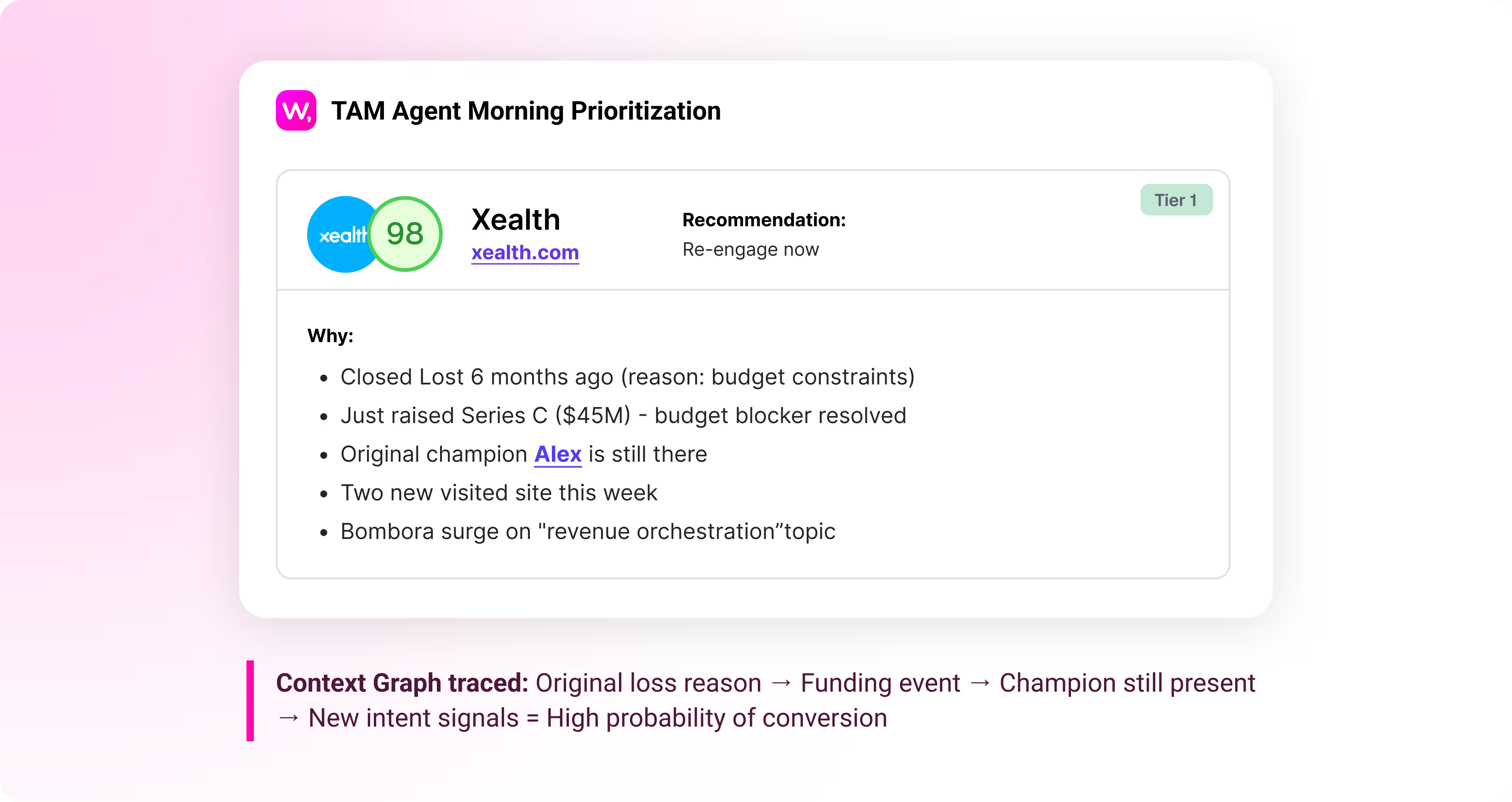
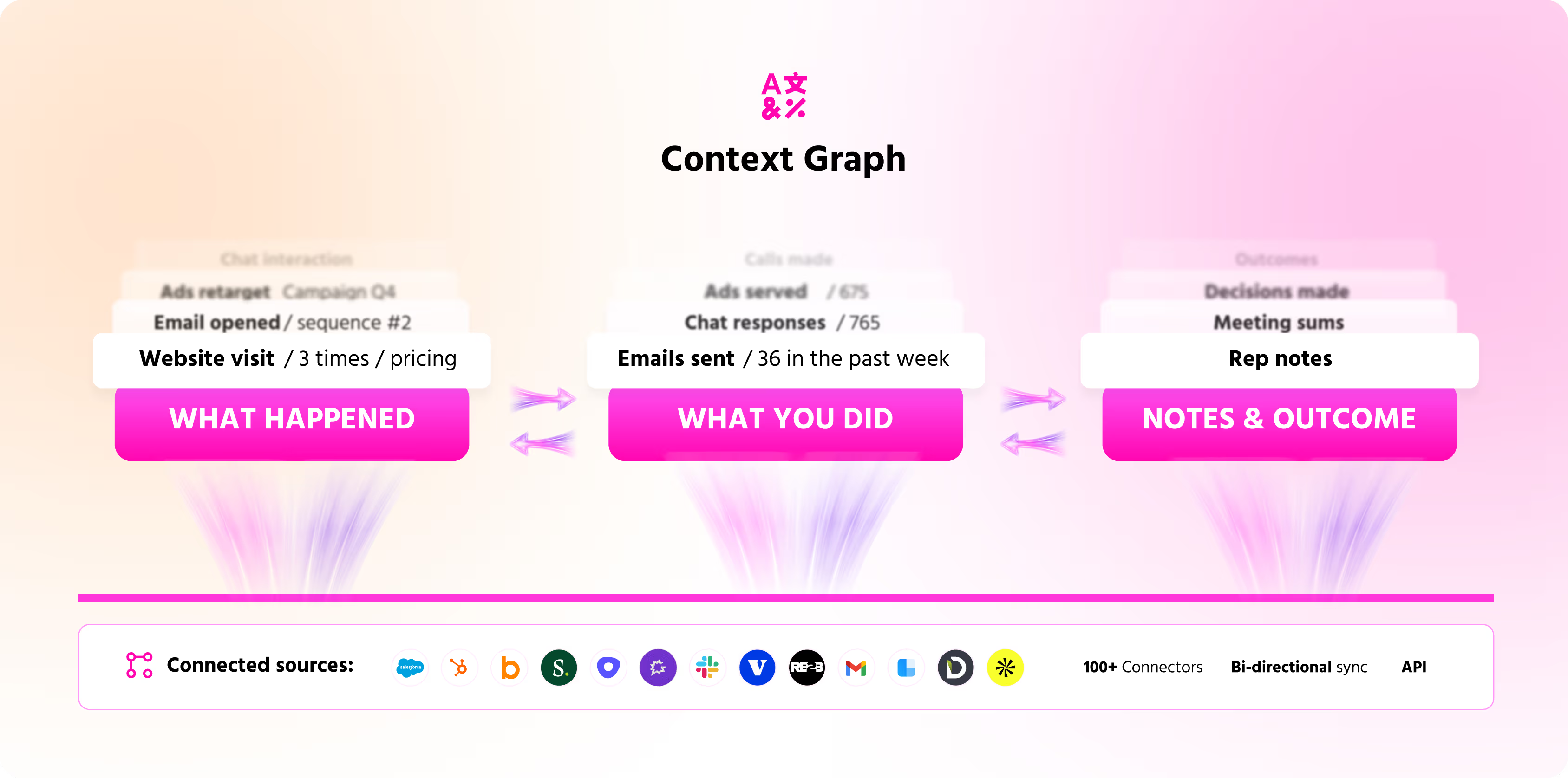
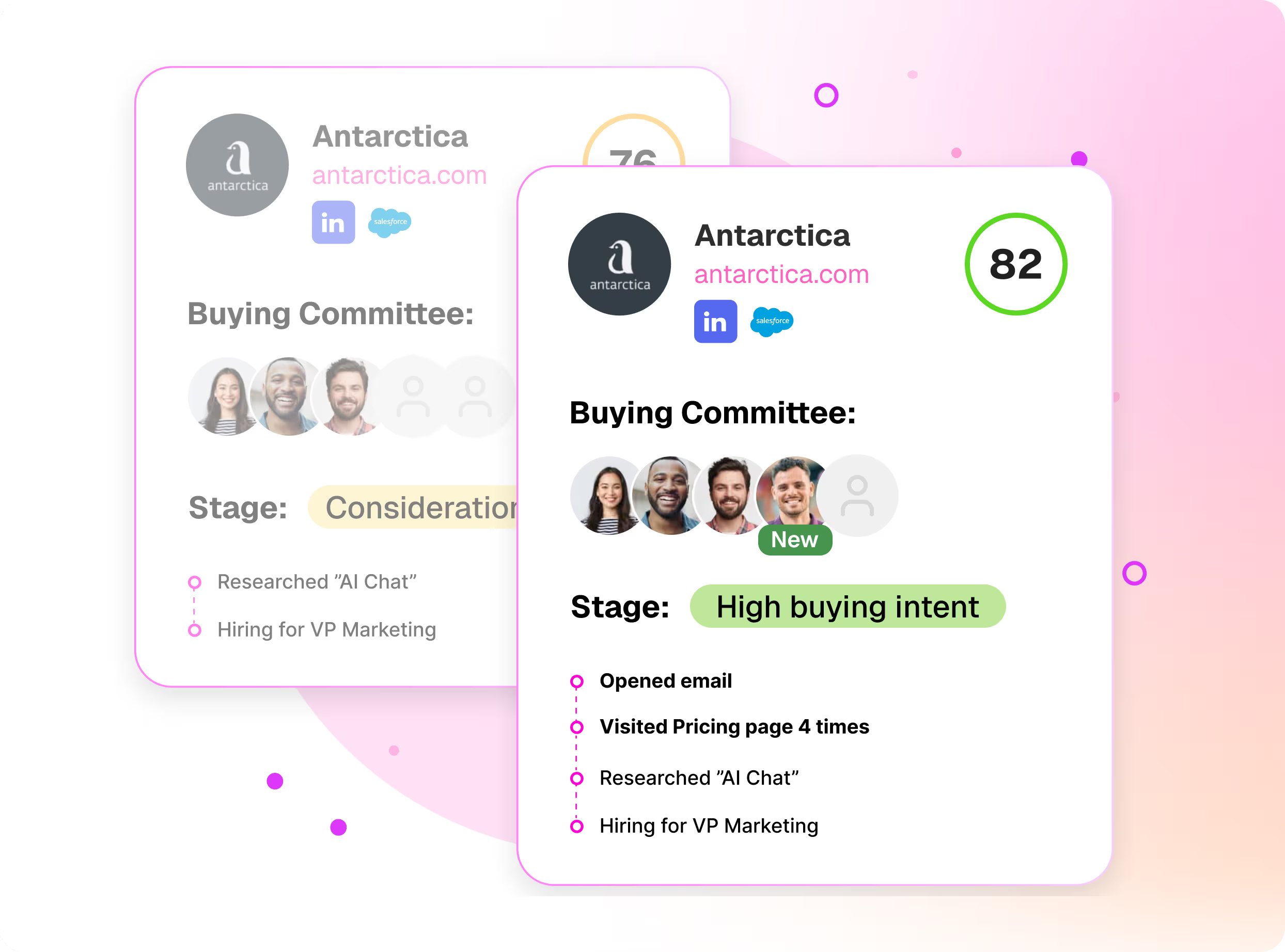
The Context Graph is a unified timeline that connects four types of information for every account:

What happened to them • Website visits, intent signals, funding news, job changes, competitive research
What you did • Emails sent, ads served, calls made, sequences triggered
The notes around it • Rep observations, meeting summaries, deal context, why decisions were made
What resulted • Meetings booked, deals won, conversations had, outcomes tracked
Why this matters:When your AI chatbot engages a visitor, it knows they saw your LinkedIn ad last week, your SDR sent a follow-up email, and they downloaded a case study. When your rep makes a call, they see the complete timeline — not fragments scattered across five tools.
The result:Every decision, human or AI, happens with full context.