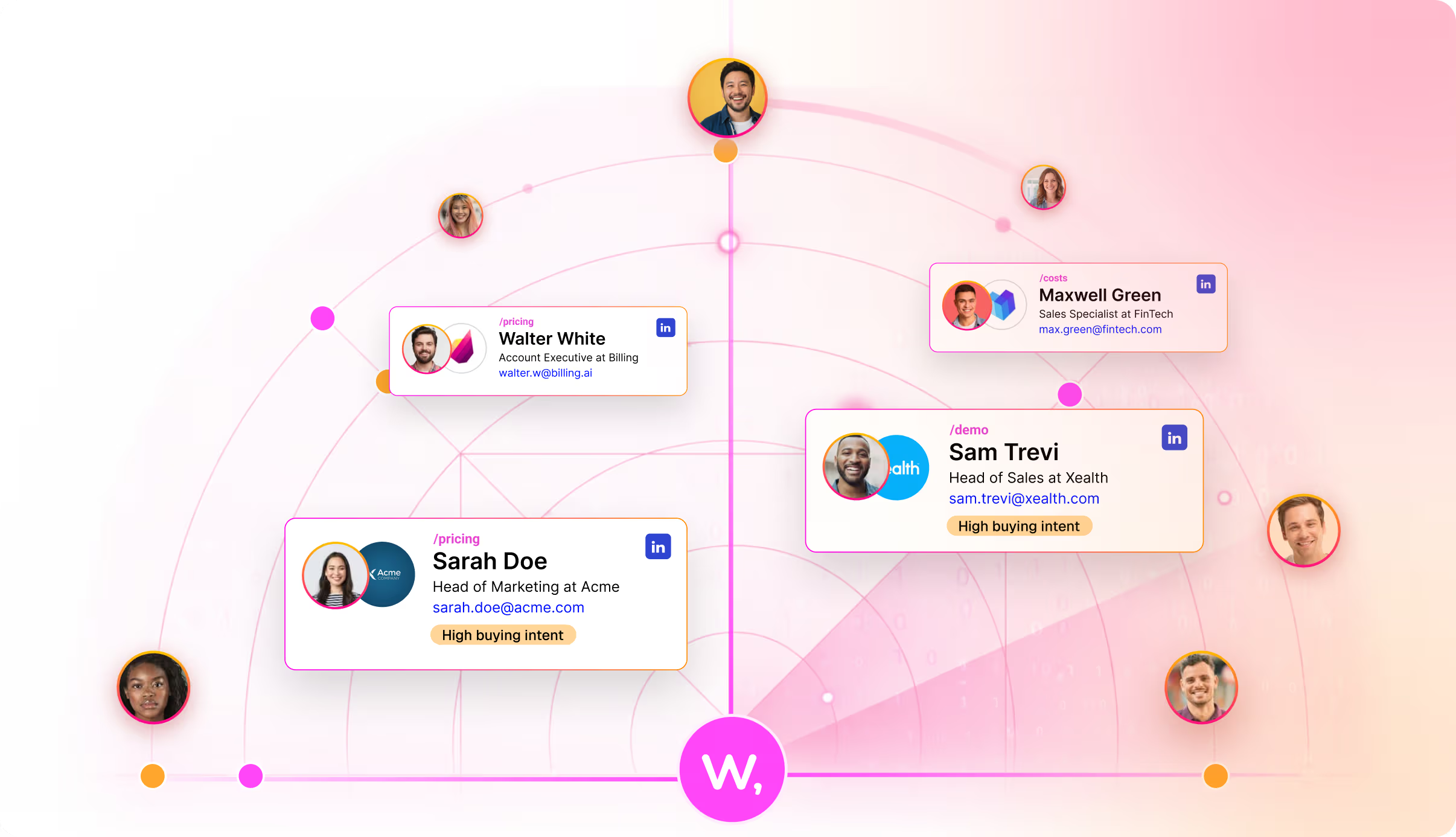





Buyer intent data is information that reveals which companies and individuals are actively researching solutions in your category. It comes from behavioral signals like website visits, content downloads, search activity, and social engagement. The goal is identifying accounts that are "in-market" so sales and marketing can prioritize them over cold accounts.
1st-party intent data comes from your own properties – website visits, pricing page views, chat interactions. 2nd-party intent data comes from partner or social platforms – LinkedIn ad engagement, social interactions. 3rd-party intent data comes from external sources like Bombora, G2, and TrustRadius, tracking research activity across their content networks. Each layer captures different stages of the buying journey.
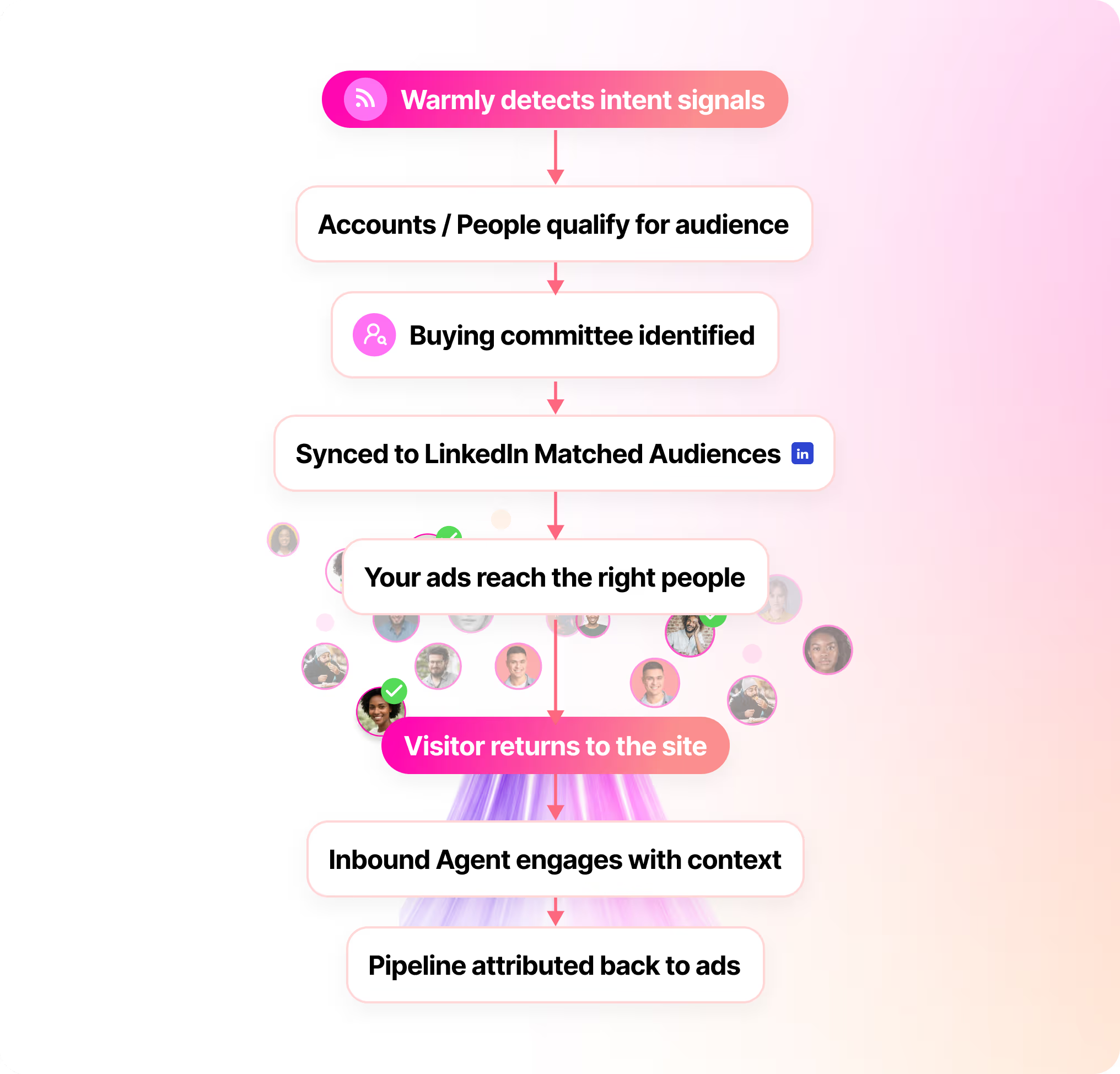
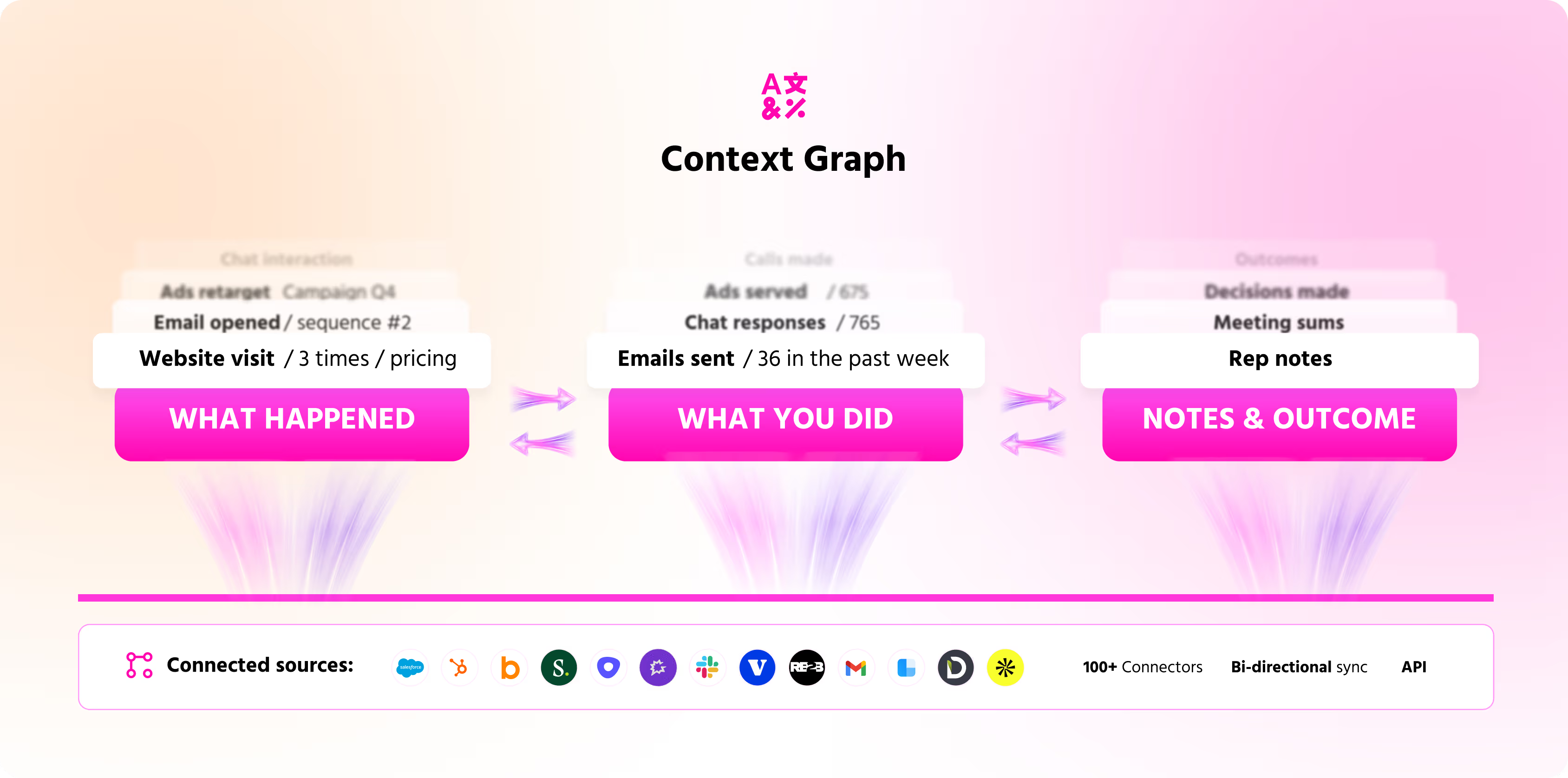
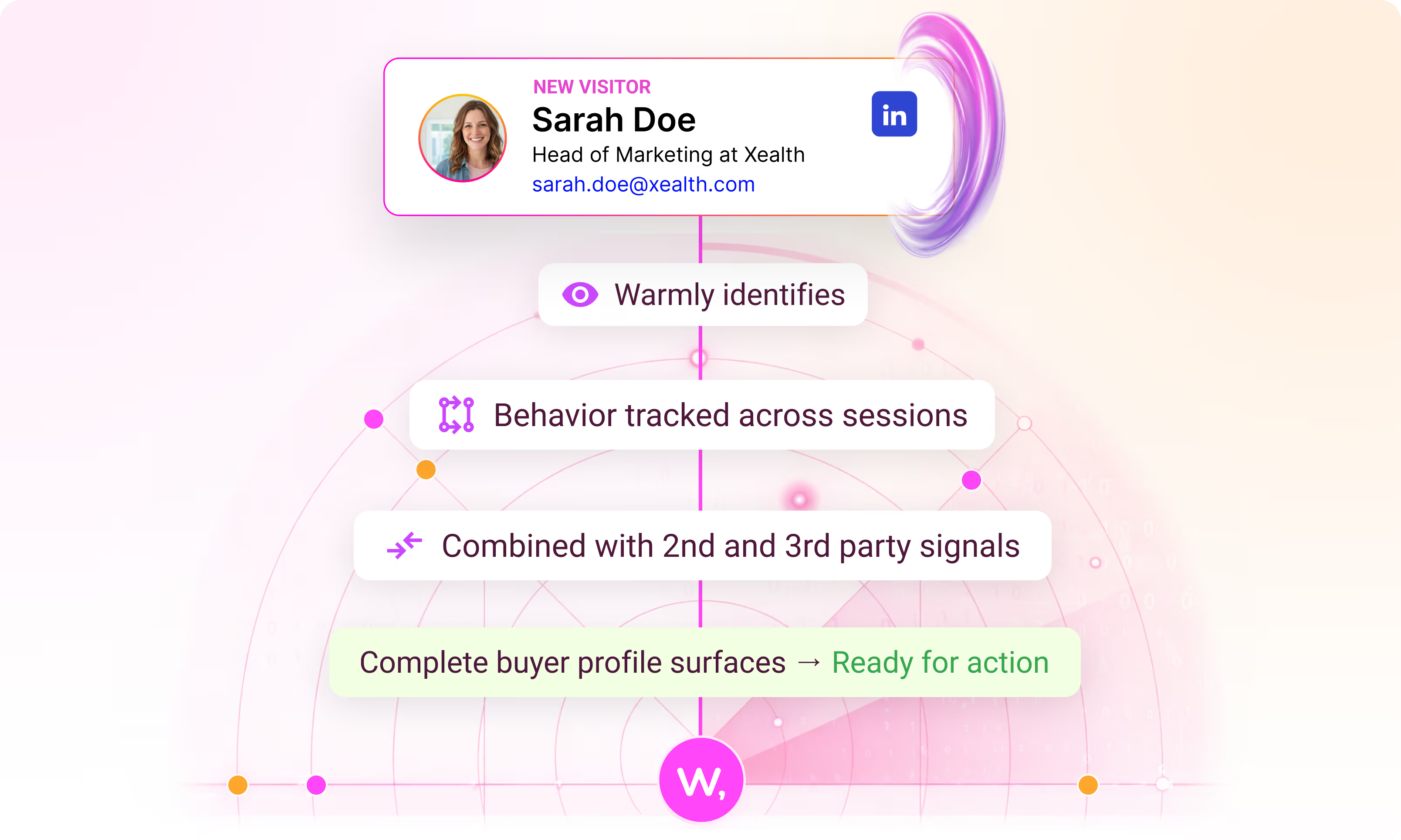
Warmly's context graph ingests signals from all three layers and scores them in real-time using a weighted model. Website visits carry the most weight (highest intent), followed by social engagement, then research signals. When signals from multiple layers converge on the same account or person, the intent score spikes and triggers automatic engagement.
Bombora provides 3rd-party research intent data only – which companies are reading content about certain topics across their publisher network. Warmly includes Bombora data as one of three signal layers, but adds 1st-party website intelligence (who specifically visited your site) and 2nd-party social signals. Warmly also acts on signals automatically via AI agents, while Bombora is reporting-only. See our full comparison with intent providers for more detail.
First-party signals are higher intent because they show direct engagement with your brand. Someone visiting your pricing page is further down the funnel than someone reading a generic industry report tracked by Bombora. But third-party data catches buyers earlier in their research. The best approach combines both – which is exactly what Warmly does across all three signal layers.
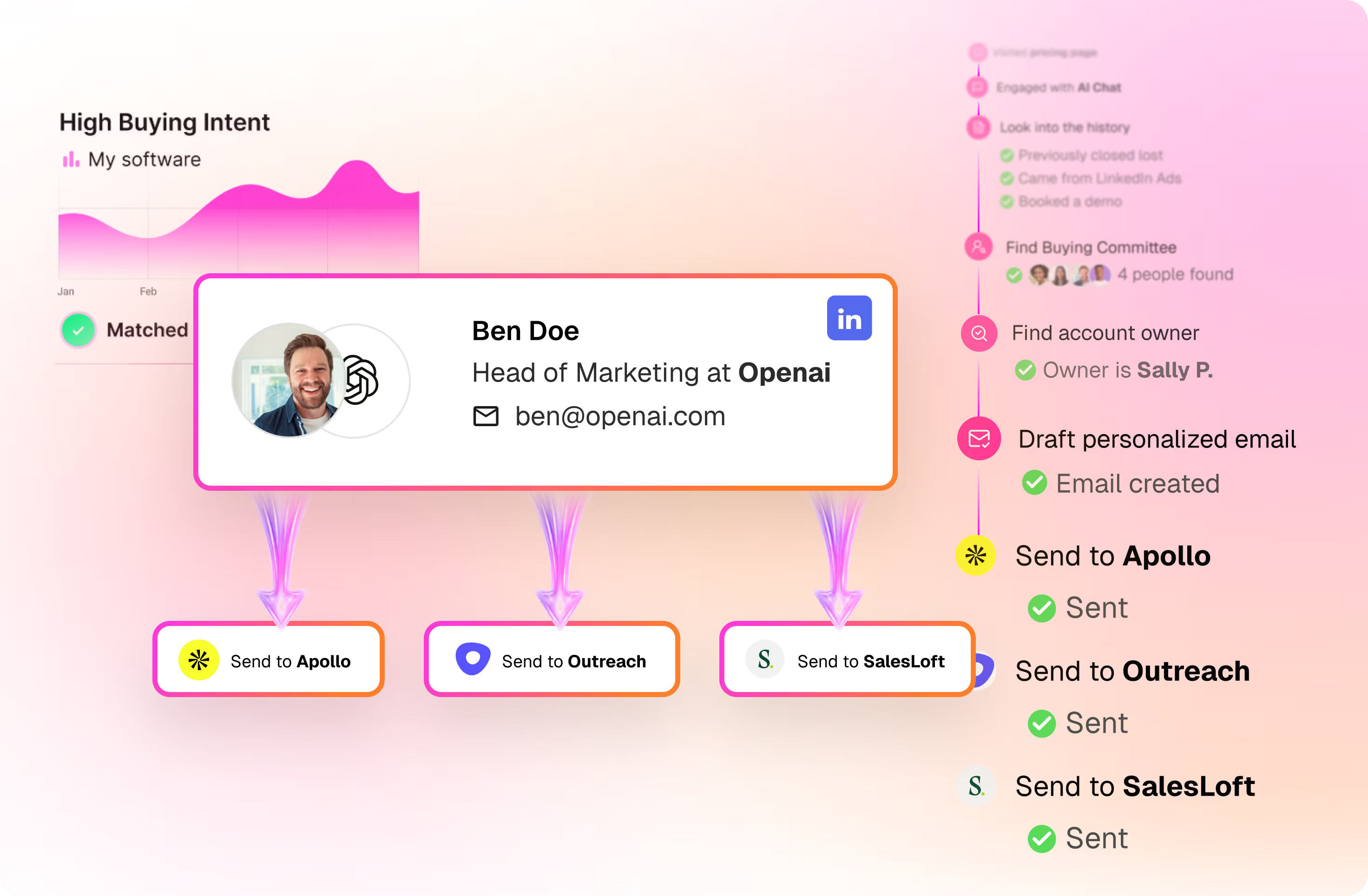
Within seconds. When a visitor hits your website, Warmly identifies them, scores their intent, and can trigger AI chat engagement immediately. For off-site signals like Bombora surges, scoring happens as data arrives and triggers email sequences or rep alerts automatically. Most intent platforms batch-process data daily or weekly. Warmly scores in real-time.
Signal convergence is when multiple intent signals from different sources align on the same account or person at the same time. For example: a prospect visits your pricing page (1st-party), their company surges on a relevant Bombora topic (3rd-party), and they engage with your LinkedIn ad (2nd-party). Convergence is the strongest buying indicator because it shows activity across multiple channels simultaneously. Warmly's intent scoring system detects convergence automatically.
Not necessarily. Warmly integrates with Bombora for 3rd-party research intent, so you don't need a separate Bombora contract. But if you use other intent sources, Warmly can layer on top. The key difference is that Warmly adds 1st-party and 2nd-party signals that most intent providers don't have, plus automatic engagement that turns signals into pipeline.
Warmly assigns weighted scores to different signal types. Website visits to high-intent pages (pricing, demo, case studies) score highest. Return visits multiply the score. Bombora surge topics add points based on relevance to your product. LinkedIn engagement adds social signal weight. Scores are calculated in real-time and account for recency – signals from today matter more than signals from last week. When scores cross thresholds you define, AI agents trigger engagement automatically.
Teams using Warmly's multi-signal approach see 3x higher conversion rates on signal-qualified accounts compared to cold outreach. The biggest ROI driver is speed – acting on intent in seconds rather than days means you reach buyers while they're still actively researching, before competitors respond. Combined with automatic engagement via AI agents, most teams generate incremental pipeline within the first month of activation.
Signal convergence occurs when two or more signal layers are active simultaneously for the same account – for example, a VP visits your pricing page (1st-party) while their company surges on your category in Bombora (3rd-party) and engages with your LinkedIn ad (2nd-party). Convergence is a strong buying indicator. Warmly detects it automatically and escalates engagement accordingly.