Posted by Max Greenwald · Co-founder & CEO, Warmly
Today, we’re announcing that Warmly has entered into an agreement to be acquired by HubSpot.
Six years ago, Carina Boo, Alan, and I started Warmly with an idea about how go-to-market could work better. We never imagined it would lead us here.
The world was different. AI agents weren’t running go-to-market workflows. MCP wasn’t a protocol. The phrase “inbound agent” didn’t exist yet.
Engineering had become cohesive, scalable, and extensible. Go-to-market was not. Its tools and context were siloed, its data was often stale, and teams struggled to coordinate the right buyer experience in real time. We believed go-to-market could become just as rigorous if it had the right building blocks.
So we set out to answer the 4 foundational questions systematically:
Who is the buyer? What do they care about? When do they care? How do we help?
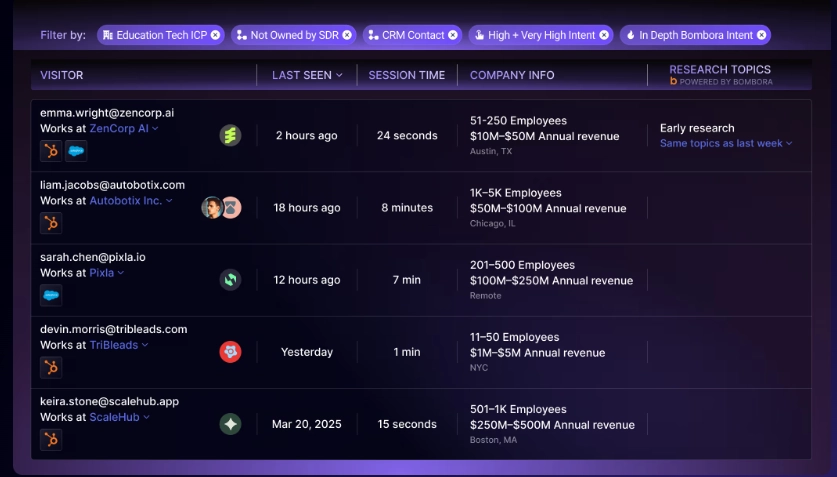
Our first building block was intent. Warmly became best known for person-level website intent, helping companies identify more than half of the visitors who never filled out a form.
But insight without action has limited value. So we built Inbound Agent to turn intent into personalized conversations, meetings, and follow-up. Every interaction added context and learnings that improved the next inbound interaction.
Then TAM Agent took that loop beyond the website, helping teams engage ideal-fit buyers before they arrived. Inbound informed outbound. Outbound created new inbound. Every interaction made the next one more relevant.
The deeper we went into AI, the clearer it became: as execution gets easier to scale, judgment becomes more valuable. Marketing comes back to its most fundamental question: how do we actually help buyers and earn their attention?
HubSpot has spent more than twenty years building an integrated platform for the customer journey. Its hubs, data, workflows, and products were designed to work together rather than forcing customers to stitch together dozens of disconnected systems.
What stood out to us was not only the breadth of the platform, but the coherence underneath it.
When we got to know Yamini, Jared, Angela, and the broader HubSpot team, the fit became clear. HubSpot’s starting point has always been the customer, not the technology. We share a belief that the next generation of GTM will be built by people and agents working as one system. Agents carry context and learning from outcomes, and people bring judgment, taste, and empathy.
“The gap between building demand and winning deals is one of the hardest problems in GTM, and Warmly has cracked it in a way that directly benefits HubSpot customers. We’re excited to welcome the team to HubSpot.”
— Angela DeFranco, GM, VP of Product, HubSpot
What this means for Warmly customers
Today, your existing contract, pricing, account team, product experience, and integrations remain unchanged. Warmly’s agents will continue running as they do.
We remain focused on serving you and delivering on our commitments.
Longer term, our ambition is to make Warmly even more powerful for our customers by connecting our context and agent capabilities across HubSpot’s customer platform.
A thank you
To the customers, investors, advisors, partners, and supporters we’ve had the privilege to know and work alongside: thank you. Your trust, candor, and belief gave us the room to learn, adapt, and become the company we are today. We’re grateful for everything we’ve built together and honored to keep serving this community.
To the Warmly team, past and present: you took on one of the hardest and fastest-moving problems in B2B and built something real. You also had the courage to reinvent Warmly as the market changed, without losing sight of the customer. This milestone belongs to you.
What comes next
I keep coming back to the responsibility in front of us.
AI is moving faster than any one of us can fully absorb. As agents become part of more marketing, sales, and customer experiences, they are going to shape how millions of people interact with businesses.
Those experiences can become dramatically more useful or dramatically more intrusive.
We have the privilege and responsibility to help guide this toward something better: experiences that arrive with context, help instead of interrupt, and earn the trust they ask for.
That work is bigger than what any one company can do alone. We’re honored to continue it with HubSpot and to build the next chapter the way we always have.
Signing off as we’ve always done, but this time with more excitement than ever.
Warmly, Max
June 30, 2026
The GTM Brain: Why the Next Trillion-Dollar Platform Will Own Decisions, Not Data
Time to read
The Infinite Execution Paradox
Something strange has happened in go-to-market.
We've built tools that send millions of emails. Products like Salesforce, Clay, Parallel, and Exa can index entire markets in hours. LLMs generate near-infinite personalized copy, scripts, and chat conversations. Generic orchestration tools wire events together in minutes.
Execution has become effectively infinite.
And yet, pipeline is harder than ever to build. Response rates are cratering. Buyers are drowning in noise. The best SDRs spend their days sifting through false positives while real opportunities slip through the cracks.
The paradox is this:we've solved the wrong problem.
We built infrastructure for doing more. We should have built infrastructure for knowing what to do.
The bottleneck to get pipeline is no longer execution. It's decision quality. Given virtually unlimited execution capacity, how do we allocate finite resources (e.g. human time, inbox space, ad dollars, brand capital) to the right accounts, at the right time, with the right plays?
This is the question Warmly was built to answer.
Part I: Meet the Third Wave of Enterprise AI
The First Wave: 2010-2024: Static Workflows, Human-Driven Decisions
The first wave digitized GTM but didn't automate judgment. Salesforce gave us a place to store customer records. HubSpot automated email sequences. Outreach systematized sales cadences. Gong recorded calls. Each tool solved a specific workflow problem. But the human remained the reasoning layer. Software stored data and executed predefined rules. Humans decided which accounts to prioritize, what to say, when to reach out, and how to respond. The tools were productivity multipliers, not decision-makers. This wave created enormous value. It also created enormous complexity. The average enterprise GTM stack now has 30+ tools, each with its own data silo, its own logic, its own view of the customer. Humans became the integration layer, manually stitching context across systems that were never designed to talk to each other. The First Wave asked: "How do we help humans do GTM faster?"The Second Wave would ask a different question.
The Second Wave (2024-2025): Static Data, Information Retrieval
The initial wave of enterprise AI applications targeted verticals with a critical characteristic: there is a right answer and it doesn't change much.
Take these AI vertical applications as examples:
Legal AI: Harvey raised $300M and is valued at over $1B. Why? Legal precedent is static. Case law from 1954 still applies today. The corpus is fixed. The task is retrieval and synthesis over documents that were written decades ago.
Code AI: Cursor has become the fastest-growing developer tool in history. Why? Programming languages have formal grammars. Code either compiles or it doesn't. Tests either pass or fail. There's a verifiable ground truth.
Medical AI: Perhaps the most developed category, with tens of billions flowing into companies tackling physician burnout, operational inefficiencies, and diagnostic accuracy. Abridge alone is worth more than most public SaaS companies. Anatomy doesn't change, drug interactions are catalogued, clinical guidelines are documented.
Customer Support AI: Sierra is winning this category by building AI agents that handle inquiries, resolve issues, and escalate appropriately. The problem space is bounded: product documentation is fixed, common issues follow patterns, resolution paths are well-defined.
Recruiting AI: Mercor is winning here through AI that screens candidates, conducts assessments, and matches talent to roles. Job requirements are structured, skills are enumerable, candidate evaluation follows established frameworks.
These companies are creating enormous value. But notice what they all have in common: The answer key exists. The corpus is stable. The task is pattern matching.
The AI doesn't need to learn how medicine, law, coding, support, or recruiting works in real-time. It needs to retrieve and reason over information that was true yesterday and will be true tomorrow.
This is why RAG (Retrieval-Augmented Generation) became the dominant architecture. It works beautifully when:
The answer exists somewhere in your corpus
The corpus doesn't change much
Retrieval quality is the binding constraint
But what happens when none of these conditions hold?
The Third Wave (2026-2027): Dynamic Environments, Continuous Learning
The next frontier of AI isn't information retrieval. It's dynamic reasoning in environments where the answer key is always changing.
Consider GTM (Warmly’s space):
Your ICP shifts as your product evolves
Competitive positioning changes quarterly
Buyer personas vary by segment and market condition
What worked last quarter may not work this quarter
Every deal is different, and every company's GTM motion is unique
Bluntly put: the world changes.
The "right" answer depends on context that didn't exist six months ago. The model needs to learn continuously from outcomes, not just retrieve from documents.
The companies that win this wave will build something fundamentally different: not AI that retrieves answers, but AI that develops judgment through continuous interaction with dynamic environments.
What Palantir Understood First
Before LLMs, Palantir competed with Snowflake and Databricks on data infrastructure. The market saw them as enterprise data platforms, expensive, complex, government-focused.
Post-LLMs, Palantir no longer believes they have any competitors.
Why? Because they made a different architectural bet.
Snowflake and Databricks optimized for SQL and query throughput: get raw data into tables, run fast analytical reads, ship dashboards and models on top. They built infrastructure for answering questions about data.
Palantir built an ontology, a world model where data is represented as objects, relationships, and properties. Nouns, verbs, adjectives. Named entities, typed relationships, constraints. Not tables and joins, but the way humans actually think about their domain.
When LLMs arrived, this ontology became the perfect interface. Models don't want a trillion rows. They want a structured, language-shaped substrate: something you can linearize into a coherent prompt, traverse, and act on.
The results speak for themselves with Palantir: 30%+ year-over-year growth accelerating, 50%+ growth in U.S. Commercial, one of the fastest-growing enterprise software stocks.
The market is recognizing something important: ontology beats query optimization when AI is the consumer of your data. It allows AI to reason over your business the way humans actually think about it—not as tables and joins, but as entities, relationships, and meaning.
Palantir proved the thesis. Now the question is: who builds the ontology for each vertical?
The Event Clock: what happened, in what order, with what reasoning
We've already built trillion-dollar infrastructure for the State Clock:
Salesforce knows the deal is "Closed Lost"
Snowflake knows your ARR
HubSpot knows the contact's email.
The Event Clock barely exists.
Consider what your CRM actually knows about a lost deal:
The state: Acme Corp, Closed Lost, $150K, Q3 2025
What's missing: You were the second choice. The winner had one feature you're shipping next quarter. The champion who loved you got reorganized two weeks before the deal died. The CFO had a bad experience with a similar vendor five years ago, information that came up in the third call but never made it into any system.
This pattern is everywhere in GTM:
The CRM says "closed lost." It doesn't say you were one executive meeting away from winning until their CRO got fired.
The opportunity shows a 20% discount. It doesn't say who approved the deviation, why it was granted, or what precedent it set.
The sequence shows 47% reply rate. It doesn't say that every reply came from companies with a specific tech stack you've never documented.
The account is marked "churned." It doesn't say the champion left, the new VP has a competing vendor relationship, and the budget got reallocated to a different initiative.
The reasoning connecting observations to actions was never treated as a recordable table in a spreadsheet. It lived in heads, Slack threads, deal reviews that weren't recorded, and the intuitions of reps who've since left.
The Fragmentation Tax
Every organization pays a hidden cost for this missing layer. We call it the fragmentation tax: the expense of manually stitching together context that was never captured in the first place.
Different functions use different tools, each with its own partial view of the same underlying reality:
Sales lives in Salesforce
Marketing lives in HubSpot or Marketo
Support lives in Zendesk or Intercom
Product lives in Amplitude or Mixpanel
Leadership lives in spreadsheets and dashboards
When a rep needs the full picture of an account, they open six tabs, cross-reference timestamps, ping three colleagues on Slack, and piece together a narrative that will be forgotten by next week.
The fragmentation tax compounds. As organizations scale, the tax grows faster than headcount. As AI automation scales, the tax becomes the binding constraint, because agents inherit the fragmentation of the systems they query.
Why This Matters for AI Agents
This gap didn't matter when humans were the reasoning layer. The organizational brain was distributed across human heads, reconstructed on demand through conversation.
Now we want AI systems to make decisions, and we've given them nothing to reason from.
We're asking models to exercise judgment without access to precedent. It's like training a lawyer on verdicts without case law. The model can process information, but it can't learn from how the organization actually makes decisions.
Data warehouses were built to answer "what happened?" They receive data via ETL after decisions are made. By the time data lands in a warehouse, the decision context is gone.
Systems of record were built to store current state. The CRM is optimized for what the opportunity looks like now, not what it looked like when the decision was made. When a discount gets approved, the context that justified it isn't preserved.
AI agents need something different. They need the event clock, the temporal, contextual, causal record of how decisions actually get made.
The Memory Problem: Why LLMs & RAG Can't Do This Alone
Even the most powerful AI models have a fundamental limitation: they can't remember.
LLMs process text in units called tokens. Every model has a maximum context window—the total number of tokens it can “see” at once. GPT-5.2 supports ~400K tokens, Claude 3.5 Sonnet supports ~200K tokens, and Google’s Gemini 2.0 supports up to 1 million tokens.
This sounds like a lot. It isn't.
A single week of GTM activity for a mid-market company might include:
50,000 website visits with behavioral data
10,000 email sends and responses
500 call transcripts (averaging 5,000 words each)
2,000 CRM activity records
1,000 Slack threads about deals
Thousands of enrichment data points
That's easily 10-50 million tokens, 100x more than even the largest context windows.
When context overflows, models either drop it (truncation) or compress it (summarization). Both approaches degrade the model's ability to learn from precedent, recognize patterns, make consistent decisions, and build institutional memory.
RAG (Retrieval-Augmented Generation) is the standard workaround: store documents externally, retrieve relevant chunks, stuff them into context. RAG works for static domains like legal research.
RAG fails for GTM because:
The "relevant" context isn't obvious in advance. When deciding whether to prioritize Account A vs Account B, the retrieval problem is as hard as the decision problem itself.
Temporal relationships matter. RAG retrieves documents, not timelines. It can't answer "did her engagement increase or decrease over the past month?"
Identity resolution isn't automatic. RAG finds documents mentioning "S. Chen" and "Sarah" and "@sarah" and "schen@acme.com" but doesn't know they're the same person.
Synthesis requires structure. Reasoning requires knowledge graphs, not document chunks.
Features must be computed, not retrieved. "This account has 3+ buying committee members who visited the pricing page in the last 7 days" isn't a document to retrieve. It's a computation over structured data.
This is why the GTM Brain exists.
We're not replacing LLMs, we're giving them persistent, structured memory they can't build themselves.
They call this the context graph: a living record of decision traces stitched across entities and time, so precedent becomes searchable.
This insight is exactly right. But it's incomplete.
You can't capture decision traces without first solving the operational context problem inherent to GTM: identity resolution, entity relationships and temporal state (the substrate that makes decision graphs possible).
And you can't build a general-purpose context graph that works for every domain. The companies that win will build domain-specific world models that encode how their particular category actually works.
For GTM, that means building a system that understands not just what happened, but why buyers buy, why deals die, what signals predict action, and how to allocate scarce resources against infinite opportunities.
That's what Warmly is building: the GTM Brain made up of a Context Graph.
Part II: Background - The Need For a New Kind of Learning in GTM
There's a reason Tesla's Full Self-Driving is the most instructive analogy for what we're building.
Like GTM, driving is a domain where:
The environment is dynamic and unpredictable
There's no static answer key, every situation is unique
Decisions must be made in real-time under uncertainty
The "right" action depends on context that changes constantly
Human judgment is the baseline to beat
Tesla's approach to this problem offers a blueprint for building AI systems in dynamic domains.
Imitation Learning: Watching Humans Do the Work
Tesla's breakthrough wasn't building better sensors or more powerful computers. It was imitation learning at scale.
Here's how it works:
Observe: Millions of Tesla vehicles capture how humans actually drive, like steering inputs, braking patterns, lane changes, reactions to unexpected events.
Model: Neural networks learn to predict what a human driver would do in any given situation. Not what a rule-based system says they should do, but what they actually do.
Simulate: Tesla built a massive simulation environment where AI can practice billions of driving scenarios without risk.
Refine: When the AI makes a mistake in the real world, that edge case gets added to the training data. The system continuously improves.
Verify: Before deploying updates, Tesla runs shadow mode, the AI makes decisions in parallel with human drivers, and the system compares outcomes.
The key insight: you don't program driving rules. You learn them from the accumulated experience of millions of human drivers.
World Models: The Simulation Advantage
Tesla calls this learned representation a "world model." In GTM, we call ours the Context Graph: a living record of entities, relationships, decision traces, and temporal facts that enables AI to reason about your market the way experienced sellers actually think about it.
The world model enables simulation, prediction, and crucially, counterfactual reasoning. What would have happened if I had braked earlier? If I had changed lanes? This is how the system learns from near-misses, not just crashes.
The GTM Parallel
A GTM Brain using a context graph would apply the same architecture:
Observe: Ingest every signal from the GTM environment like website visits, email engagement, CRM activities, call transcripts, product usage. Watch what human sellers do in response to these signals.
Model: Learn the patterns that predict success. Which signals indicate buying intent? Which messaging resonates with which personas? Which accounts look like your best customers?
Simulate: Before committing resources to an account, simulate the likely outcomes. What's the probability of conversion? What's the expected deal size? What's the optimal engagement strategy?
Refine: When deals close or die, capture the outcome and feed it back into the models. Learn from every success and failure.
Verify: Run the AI's recommendations in shadow mode against human judgment. Measure accuracy. Improve.
Just as Tesla doesn't hand-code driving rules, we don't hand-code GTM rules. We learn them from the accumulated experience of thousands of deals.
Why This Approach Wins
The imitation learning approach has three structural advantages over rule-based systems:
It handles complexity that can't be specified. Driving has millions of edge cases. You can't write rules for all of them. But you can learn from how humans handle them. GTM is the same. Every company has unique dynamics. Every buyer is different. Every deal is shaped by context that's impossible to anticipate. The only way to handle this complexity is to learn from experience.
It improves continuously. Rule-based systems are static. Learning systems improve with use. Every mile driven makes Tesla's AI better. Every deal processed makes the GTM Brain smarter. The system compounds.
It captures tacit knowledge. The best human sellers have intuition that they can't articulate. They "just know" which deals are real and which are tire-kickers. They "just know" when a champion is losing internal support.
This tacit knowledge is embedded in their behavior, even if they can't explain it. Imitation learning captures it by observing what experts do, not what they say.
Part III: Enter the GTM Brain (from LLM + RAG to Context Graph) - what Warmly.ai is building
Beyond RAG: A GTM-Native Context Graph
What the market needs is not an AI wrapper. Not another chatbot or "AI for your CRM." It needs a stateful GTM decision system that:
Ingests millions of buyer signals (website, CRM, product, intent, social)
Resolves people and companies across tools using a proprietary identity graph
Builds a temporal context graph of your market, an ontology of entities, relationships, and facts custom-tailored to each company
Computes mathematically grounded probabilities and expected values for every account and contact
Exposes a Human Strategy Layer so leaders can steer the system
Decides what to do next (or not do) under real constraints
Orchestrates agents across web research, enrichment, buying committee mapping, inbound, outbound, and response
Continuously improves itself via backtesting and simulation
It replaces both the GTM software stack and a large portion of the GTM people stack (e.g. SDRs, RevOps, Marketing Ops, researchers, analysts) with a single, self-learning engine.
The OODA+L Architecture
The GTM Brain operates as a closed-loop system:
Observe: Raw GTM events and data flow in continuously, like website visits, CRM activities, email engagement, product usage, intent signals, people moves, firmographics.
Orient: The system maintains a world model, an ontology of companies, contacts, signals, segments, and plays. Features are computed. Models generate predictions.
Decide: The Policy Layer maps state to actions (including the decision to do nothing) under real constraints (e.g. inbox limits, ad budgets, AE capacity, brand fatigue)
Act: Agents execute work such as research, enrichment, buying committee mapping, inbound chat, outbound sequences, response handling.
Learn: Every outcome feeds back into the system. Models improve. Policies adapt. The world model expands.
The Architecture Split
This system has a clear separation of concerns that makes it structurally different from pure LLM approaches:
LLMs narrate: Recommendations, messaging angles, next best action (probabilistic)
Summary stores remember: "Account XYZ looks like ABC; historically, do this" (persistent)
This matters because LLMs are expensive and weak at real-time sifting across huge context windows. They can't build and condense a world model in real-time. But they're brilliant at reasoning over a world model that's already built.
The GTM Brain stores exactly the right context, primitives that model to the GTM world, rather than asking an LLM to reconstruct context from scratch every time.
Why "GPT Wrappers" Can't Do This
It’s a bit in the weeds but here is the architectural problem that separates production systems from demos using base LLMs:
GPT wrappers try to build context at inference time leading to what we call the “inference time trap”. The agent queries multiple systems, stitches together data, reasons over it, and generates a response, all in one request. This approach has fatal flaws:
Token consumption: Every request rebuilds context from scratch. Costs explode.
Latency: Minutes to assemble context before reasoning can start. Real-time use cases become impossible.
Hallucination: Model fills gaps when data is missing. 80% accuracy isn't acceptable for GTM decisions.
Inconsistency: Different context windows produce different answers. Same question, different day = different prioritization.
No learning: Context is discarded after each request. Can't improve from outcomes.
Our approach: pre-compute, store, serve
The context is computed, stored, and summarized ahead of time. When an agent needs to act, whether responding to a chat message or deciding which account to prioritize, it queries pre-computed state, not raw data. The reasoning happens at the edge, fast, with the right context already in memory.
You can't vibe-code this. A weekend hackathon can build a demo that queries your CRM and generates a personalized email. It cannot build an identity graph that resolves millions of signals to canonical entities, a temporal fact store that tracks state changes with validity periods, real-time streaming infrastructure, async job systems for multi-step workflows, summary stores that compress years of history, and feedback loops that connect outcomes to model updates.
This is production infrastructure. It takes years to build and battle-test. But the result is the difference between a prototype that breaks and hallucinates and a production system that closes deals.
The Architecture Difference
How does this compare in practice?
1. Decision Quality
Scenario: Rep asks "Who should I focus on today?"
Normal LLM: "Here are your 47 open opportunities sorted by close date."
GTM Brain: "Focus on Acme Corp. Why: 3 buying committee members visited pricing this week. They look like Omega Inc right before they closed. Beta Inc can wait—their champion is OOO until Thursday."
Impact: Reps spend 80% less time researching, 3x more time in conversations that convert.
2. Learning
Scenario: Deal with TechStart Inc just went "Closed Lost"
Normal LLM: Status updated to "Closed Lost." Nothing else changes. Next similar deal makes the same mistakes.
GTM Brain: System captures: "Lost because champion left 2 weeks before close." Six months later, flags a new deal: "Warning: Champion at CloudCo just updated LinkedIn to 'Open to Work'—same pattern as TechStart loss. Expand to other stakeholders now."
Impact: Deal-killing patterns surface 6 months faster than manual analysis. Mistakes made once are never repeated.
3. Cross-System Temporal Context
Scenario: Rep switching between Gong, CRM, email, and LinkedIn
Normal LLM: Each tool shows siloed data. "Wait, is the Sarah from that Gong call the same Sarah who emailed me?" Rep opens 6 tabs, spends 15 minutes piecing it together.
GTM Brain: "Sarah Chen: CFO at Acme. Timeline: Attended webinar (March 3) → Visited pricing (March 10) → Scheduled demo (March 12) → Joined call (March 15) → Asked about SOC2. She's your champion."
Scenario: Account has 100,000 website visits, 5,000 emails, 200 calls over 2 years
Normal LLM: Tries to retrieve raw data. 100,000 visits = millions of tokens. Context window explodes. Falls back to: "Acme has shown interest in your product."
GTM Brain: Compacts into ontological format (~500 tokens) that preserves everything an agent needs to execute flawlessly.
What GTM Brain stores instead of raw data:
Account: Acme Corp: Series B Fintech, 180 employees, SF-based
Buying Committee: Sarah Chen (CFO, Champion), Mike Torres (CTO, Evaluator), Lisa Park (VP Sales, End User)
Intent Signals: Sarah: Pricing 12x, ROI calc 3x. Mike: API docs 8x, Security 5x, asked about SOC2
Intent Score: 87/100 (↑34% this month)
Stage: Evaluation. Similar accounts: 73% convert in 45 days
Impact: 100,000 raw events → 500 tokens. Fits in context.
5. Temporal Reasoning
Scenario: Rep asks "Should we re-engage TechCorp?"
Normal LLM: "TechCorp is a closed-lost opportunity from 6 months ago."
GTM Brain: "Yes, re-engage. When you lost them in Q2, they had 50 employees and couldn't afford enterprise pricing. They now have 180 employees and just raised Series C. The blocker (budget) is resolved. Your champion Alex is still there."
Impact: Lost deals automatically resurface when conditions change. Pipeline you thought was dead comes back to life.
6. Event Clock
Scenario: Deal marked "Closed Lost" — what actually happened?
Normal LLM (State Clock only): "Acme Corp: Closed Lost. Amount: $150K. Close Date: Q3 2025."
GTM Brain (State + Event Clock): "Lost to Competitor X. You were second choice—they had API webhooks (you're shipping next quarter). Champion Mike got reorged 2 weeks before close. New VP had prior relationship with Competitor X's CEO. Lesson: Identify single-threaded deals earlier."
Impact: Every loss becomes a lesson. Every win becomes a playbook. Institutional knowledge compounds instead of walking out the door.
7. Feedback Loop
Scenario: Your team runs 10,000 sequences this quarter
Normal LLM: Data goes to OpenAI/Anthropic. Their models get smarter. Yours stays the same.
GTM Brain: Every reply, open, click, and conversion feeds back into YOUR model. "Sequences mentioning competitor X convert 30% better in enterprise." Your system improves. Theirs doesn't see your data.
Impact: Your GTM intelligence is proprietary. Competitors can copy features. They can't copy the accumulated decision intelligence inside your context graph.
The 100% Precision Primitive
Here's the insight that separates Warmly from everything else in the market:
When you want to automate GTM for B2B, it can't be 80% right. It needs to be 100% right, or at least better than a human, for full automation to be possible.
For example, GTM workflows are pipelines. Each step depends on the previous step being correct. If you have five steps in your automation, identity resolution, company enrichment, ICP matching, intent scoring, message personalization, and each is 80% accurate, your end-to-end accuracy isn't 80%. It's:
0.8 × 0.8 × 0.8 × 0.8 × 0.8 = 32.8%
And 32.8% sucks!
Two-thirds of your fully automated outreach is wrong in some meaningful way.
Now consider what "wrong" means at each step:
Wrong Email: Email bounces or reaches wrong person
Wrong enrichment: They changed jobs and work at a different company now
Wrong ICP match: They work at a government company when you don’t sell to government
Wrong Intent: You de-anonymized the wrong person
Wrong personalization: You sent generic outreach messages that get instantly dropped in the spam folder
This is why every primitive must work at production quality before composition is possible.
Production demands 99% or more, and that last stretch can take 100x more work.
So we build primitives, identity resolution, buying committee mapping, signal scoring, account prioritization, entity extraction, temporal reasoning, each designed to accomplish specific tasks with near-perfect precision.
These primitives are then composed into end-to-end workflows. When each component works at production quality, the whole system can run autonomously.
Part IV: The GTM Brain Advantage - The 3 Layers
The ultimate vision for the GTM Brain is to become what Palantir built for government intelligence: a context graph where data is represented the way humans actually reason about it, as entities, relationships, and temporal facts, not tables and joins.
The GTM Brain follows a three-layer architecture:
Content Layer (Evidence): Immutable source documents, the evidence trail. Emails, call transcripts, website sessions, CRM activities. Content is never edited, merged, or deleted. It's the canonical record of what was captured.
Entity Layer (Identity): What content mentions, such as people, organizations, places, products, events. This is where identity resolution happens. "Mike Torres" in an email, "M. Torres" in a meeting transcript, and "@miket" in Slack become the same person.
Fact Layer (Assertions): What content asserts, such as temporal claims about the world. Not just "the account is in-market" but "the account started showing intent on March 15" and "the intent signal weakened on August 3 when their budget got frozen." Each fact has a validity period, a status, and links to the entities and content it references.
This three-layer architecture enables something traditional GTM tools can't do: simulation.
Want to know what would happen if you changed your ICP? Run a simulation over the ontology.
Want to understand why a certain segment isn't converting? Query the fact layer for patterns.
Want to predict which accounts will close this quarter? The model already has the features, it's been tracking them continuously.
The GTM Brain becomes a simulator for organizational physics: how decisions unfold, how buyer journeys progress, how signals predict outcomes.
This is what experienced sellers have that new hires don't, a mental model of how deals actually work. The GTM Brain makes that model explicit, queryable, and continuously improving.
How does this look in practice?
The GTM Brain is the system you use every day to answer the fundamental question: "Who do I target right now, and what do I say?"
Every morning, it tells each rep: "Here are the five accounts you should focus on today, ranked by expected value. Account A has three people on the buying committee actively researching solutions. Here's who they are, what they've looked at, and what message will resonate."
Every week, it tells leadership: "Here's how the strategy is performing. Outbound to Series B fintechs is converting 40% better than Series A. The 'ROI calculator' play is underperforming, here's why. Three accounts are at risk of churning, here's what's happening and what to do about it."
Every quarter, it answers: "What would happen if we shifted focus to enterprise? If we doubled outbound volume to healthcare? If we changed the ICP to include companies with 200+ employees?"
Current GTM tools create work. They require reps to manually log activities, update stages, write notes, and maintain data hygiene. The "user experience" is actually a data entry job disguised as software.
Warmly collapses this complexity.
Part V: Why Now? The Confluence of Forces
The "Services as Software" Shift
AI will rewrite software economics by delivering outcomes rather than selling seats.
The old model: Pay $X per user per month for access to a tool. Hire people to use the tool. Hope they use it well.
The new model: Pay $X per outcome delivered. The software does the work. Humans supervise and handle exceptions.
The Infrastructure is Finally Ready
Building the GTM Brain required infrastructure that didn't exist three years ago:
LLMs capable of reasoning: GPT-4, Claude 3, and Gemini 2 can understand context, make judgments, and generate quality output.
Efficient inference: Test-time compute and model optimization have made it economically viable to run complex reasoning at scale.
Identity resolution at scale: Graph databases, entity resolution algorithms, and data infrastructure can now handle the matching problem.
The Buyer Has Changed
B2B buyers don't want to talk to sales reps anymore. They want to self-serve. They want to research independently. They want to engage on their own timeline.
But they also want personalization. They want to feel understood. They want to interact with vendors who know their business, their challenges, their context.
These demands are contradictory, unless you have a system that can deliver personalization at scale without human intervention.
The Incumbents Can't Adapt
Traditional GTM systems were built for a world where humans did the work and software stored the records. Their architectures optimize for:
Current state storage (not temporal reasoning)
Human-driven workflows (not autonomous agents)
Feature expansion (not outcome delivery)
Per-seat pricing (not value capture)
Rebuilding these systems for an AI-native world would require gutting their core architecture. They can add AI features at the edges, but they can't become AI-native without breaking everything that makes them work.
This is the classic innovator's dilemma. The incumbents are too successful to change.
The Coexistence Reality
To be clear: CRMs survive. They remain the system of record for state, the canonical customer record, the opportunity pipeline, the contact database.
What we're building is different: the system of record for events.
We're not asking companies to rip out their CRM. We're adding the layer that makes the CRM, and every other tool in the stack, actually intelligent.
Part VI: The Compounding Intelligence Moat
1. Hard-to-Copy: The Context Graph Moat
The GTM Brain's defensibility comes from how the context graph is built and what accumulates inside it: decision traces.
Every time the system decides to prioritize an account, reach out to a contact, or hold back on an action, it generates a context trace: what inputs were gathered, what features were computed, what policy was applied, what outcome resulted.
This enables the question that makes learning possible: "Given what we knew at that time, was this the right decision?"
Do this thousands of times. The weights get updated. Historical and in-production performance converge. Eventually the model achieves 90%+ accuracy. Unlike a CRM which can be copied over and ripped out, this model is proprietary to Warmly and thus can’t be ripped out unless you want to start over. At that point, why would you rip it out?
These traces form a context graph, a structured, replayable history of how context turned into action. Over time, this graph becomes:
A world model of your market: Which signals predict buying intent? Which messaging resonates with which personas? Which accounts look like your best customers?
A source of precedent: When a similar situation arises, the system can query how it was handled before. What worked? What didn't?
A simulation engine: Before taking action, the system can run counterfactuals.
Competitors can copy features. They can't copy the accumulated decision intelligence that lives inside the system.
2. Real-time identity graph (hard, expensive, and operational)
People visit a website for 8 seconds and move on.
If they can't get their questions answered, if the chatbot is slow, if no one reaches out, if the experience feels generic, they have another P1 priority to fulfill. They're gone. Speed to lead isn't a nice-to-have. It's the entire game.
Why most systems fail
Most GTM infrastructure is batch-processed. Data lands in a warehouse overnight. Reports run in the morning. By the time you know someone was on your pricing page, they've signed with a competitor.
LLMs make this worse, not better. They have natural latency: seconds to process, reason, and respond. Asking an LLM to compute context at inference time (pulling history, resolving identity, evaluating signals, checking policy) adds more seconds before reasoning even starts.
In a world where attention spans are measured in single digits, inference-time context assembly is a losing architecture.
The real-time architecture
Warmly pre-computes and stores buyer state so agents can access it instantly.
When someone lands on your site, the context is already there: who they are, what company, their engagement history, their intent signals, what play to run. The work happened before they arrived.
Real-time chat. Immediate rep routing. Instant email trigger. Phone call with full context. All of these require data and primitives to be structured ahead of time, not assembled on demand.
The data network effect
But real-time infrastructure is just the foundation. The real moat is what improves with scale.
Website de-anonymization is a probabilistic game. You're triangulating sparse signals (IP ranges, cookie data, firmographic patterns, behavioral fingerprints) to resolve an anonymous visitor to a real person at a real company.
Accuracy improves with data volume. The more visitors you see across more customer sites in more industries, the better your resolution models become. False positives drop. Confidence scores improve. Edge cases get handled.
Every new Warmly customer contributes to this flywheel:
- Their website visitors add signals to our identity graph
- Our improved accuracy helps them convert more visitors
- Better outcomes attract more customers
- The product gets better for everyone as the network grows
Competitors starting from scratch don't just lack our infrastructure. They lack our data. You can't buy your way to data volume. You earn it customer by customer, visitor by visitor, over years.
The ontology discovery effect
There's a second network effect hiding in how we structure data.
There are infinite ways to model a GTM context graph. What primitives matter? How do you represent a buying committee? Which signals predict readiness? How do you compress 100,000 website visits into queryable state?
This is the art.
Each company we onboard teaches us something new about how to structure the ontology. The primitives that matter for a Series B fintech differ from an enterprise healthcare company. A product-led growth motion requires different signals than an outbound-heavy sales team.
The more companies we serve, the better we understand how to model GTM for everyone. We've mapped the territory. Competitors starting from scratch have to rediscover these primitives one by one.
The primitive stores
The result is a set of pre-computed stores that our agents query in real-time:
Buying Committee Store: Who's involved, their roles, their engagement
Intent Store: Temporal signal patterns, page-level behavior, engagement velocity
Lookalike Store: Which accounts match your best customers
Enrichment Store: Company and contact data, refreshed and validated
Outcome Store: What happened and what we learned
These stores feed the agents that execute:
- AI Chat Agent
- Buying Committee Agent
- Scoring Agent
- Enrichment Agent
- Lookalike Agent
- Web Research Agent
- Email/LinkedIn Copy Agent
Each agent operates on pre-computed context. They don't rebuild the world at runtime. They query it instantly.
Why this compounds
Moat #1 (the Context Graph) captures what your organization learns. This moat captures what Warmly learns across every organization.
Decision traces are proprietary to each customer. But de-anonymization accuracy, entity resolution quality, and ontology design improve for everyone as the network grows.
3. The Ground-Truth Data Moat
This is the unsexy moat that nobody in AI wants to talk about.
Moat #2 is about data getting better with scale. This moat is about data staying correct over time. They're different problems.
The core tension
LLMs are probabilistic: confident when wrong, hard to debug. But the data that feeds them must be deterministic, auditable, and correct.
Send an email to the wrong person? Brand damage. Route a lead to the wrong rep? Territory conflict. Show the wrong company data in chat? Lost credibility.
AI systems are only as good as the data they reason over. Garbage in, garbage out, except now the garbage gets delivered at scale, instantly, with confidence.
Why data rots
All data degrades. People change jobs. Companies get acquired. Email addresses go stale. Third-party providers have their own quality issues.
The half-life of B2B contact data is roughly 2 years. Half your database is wrong within 24 months, even if it was perfect when you collected it.
The moat isn't having clean data. The moat is keeping data clean as reality shifts underneath you.
The validation loop
The hardest part: you often don't know if data is wrong until months later.
You resolve an anonymous visitor to "Sarah Chen at Acme Corp." Was that correct? You might not know until she fills out a form, sales gets a response (or bounce), or the deal closes and you see who was actually involved.
The feedback loop is long. You have to build systems that learn from delayed ground truth: updating confidence scores, retraining models, surfacing systematic errors.
We've built these loops. Every conversion, every bounce, every "wrong person" response feeds back into our data quality systems.
Why this is a moat
Competitors can build AI features quickly. They can't quickly build:
- Years of learning which data sources lie and when
- Production-hardened systems for managing degradation
- Validation loops that connect outcomes to data quality
- Institutional knowledge of where things break
Data quality isn't a feature you ship. It's a discipline you practice every day. The companies that skip this step build impressive demos that fall apart in production.
We've done the unglamorous work. That's the moat.
Conclusion: The Decision Layer
The Story So Far
The problem: AI made GTM execution infinite, but pipeline is harder than ever to build. We solved the wrong problem, we built infrastructure for doing more, not for knowing what to do.
The opportunity: The next trillion-dollar platforms will create a context graph that makes precedent searchable. But you need domain-specific world models.
The solution: The GTM Brain, a stateful decision system that ingests signals, resolves identities, builds a world model, computes expected values, decides what to do, executes through agents, and learns from outcomes.
The vision: Every morning, it tells each rep what to do. Every week, it tells leadership what's working. Every quarter, it simulates strategic alternatives. The operating system for revenue. And it can plug seamlessly into any agentic framework.
The Bet Warmly is Making
The debate right now is whether AI will transform enterprise software or just add features to existing categories.
Our answer: the next trillion-dollar platforms will be systems of record for decisions, not just data.
Traditional systems of record store current state. The GTM Brain stores decision intelligence: the reasoning that connects data to action, the traces that capture how choices were made, the world model that enables simulation and prediction.
CRMs don't go away. Warehouses don't go away. But neither of them can do what we do: capture the event clock, build the world model, and make AI agents actually intelligent about your business.
What We're Building
This is what Warmly is building. Not another tool in the GTM stack. Not a chatbot for your CRM. Not "AI features" bolted onto existing workflows.
The GTM Brain, a single, self-learning engine that:
Sees every signal across your entire GTM surface area
Resolves identities and builds the entity graph
Captures decision traces and accumulates precedent
Reasons over context that no other system can see
Decides what to do (including when to do nothing)
Executes through specialized agents
Learns from every outcome
Gets smarter every day
The companies that build this infrastructure will have something qualitatively different. Not agents that complete tasks, organizational intelligence that compounds. That simulates futures, not just retrieves pasts. That reasons from learned world models rather than starting from scratch every time.
The Path Forward
We're building the GTM Brain to help B2B teams automate their GTM motion at scale and achieve their potential as a business. And like Tesla learned with driving, like Palantir learned with intelligence analysis, the key is not to program the rules. It's to learn them from the accumulated experience of thousands of practitioners.
In many expert domains (for example law or medicine), the core world model is relatively stable and deeply codified. If you can gather the right evidence, the “correct” decision framework changes slowly.
Go-to-market is different: - the market shifts constantly, - buyer behavior changes by segment and quarter, - channel economics move quickly, - and small context changes can flip what the best next action should be.
That means the challenge is not only “answer correctly once.” The challenge is to continuously maintain the organization-specific world model and make good decisions as conditions move.
This harness exists to do exactly that: 1. build and maintain a living world model for each organization, 2. enforce safe, auditable decision execution, 3. learn from outcomes and human corrections, 4. compound decision quality as models and data improve.
This is the strategic moat: not just automation, but a continuously improving, organization-specific GTM decision system.
0) Comprehensive overview (all pieces together)
This is the full runtime + memory + governance map.
Comprehensive System Overview
What this means in one sentence
Signals come in, the system decides whether to act, acts safely through guardrails, measures outcomes, and learns back into a shared GTM brain.
1) End-to-end operating loop
Signal to Trusted Action
Every signal follows the same loop:
Signal intake A trigger arrives: web behavior, chat, CRM update, intent surge, or scheduled run.
Action triage The first decision is: act now, later, or not at all.
Context retrieval If action is needed, the system pulls relevant context from shared memory.
Decision boundary The system chooses a candidate next action.
negative outcomes (bounce, no response at scale) reduce trust.
Pattern learning Repeated human corrections create policy patterns (for example, “skip this domain class” or “reconsider this persona class”).
End-to-end example: blocked outreach -> human approval -> policy update
Scenario: A target account visits pricing, chat reveals urgency, agent drafts a 3-step outreach sequence.
Agent proposes execution for outreach.
Trust gate evaluates and holds execution (score below threshold).
Batch enters human review queue with full rationale.
Human edits one message, approves two contacts, rejects one contact.
Approved actions execute; rejected path is canceled.
Decision Trace records:
original decision,
trust-gate reason,
human override,
final execution outcome.
Outcomes arrive (reply + one meeting booked).
Learning writeback updates:
trust score for similar action type,
reusable examples from approved/performing messages,
policy hints from rejection reasons.
Next similar account starts with improved defaults and less review friction.
4) Inbound + TAM as one coordinated system
Sales and Marketing Journey
Inbound and TAM are separate lanes, but they run on one shared memory substrate.
Why this matters for executives
Without a shared brain, teams optimize locally and conflict globally. With a shared brain, all lanes learn from the same outcomes.
Practical journey
Marketing captures high-intent activity.
Inbound agent qualifies and captures objections.
Shared account context updates instantly.
TAM chooses next best committee actions using updated context.
Safety-gated execution runs only eligible actions.
Outcomes write back to the same account memory.
Future inbound and TAM behavior both improve from that result.
5) Canary Model Rollout
Canary Model Upgrade Example
What it is
A canary model rollout is a controlled live test lane for model or policy upgrades before full rollout.
Why it exists
A model can look better in a demo but still hurt production quality. Canary rollout prevents that.
When it is used
Any time the decision engine changes in a meaningful way:
model version change,
prompt/policy logic update,
tool-routing behavior change,
risk-threshold adjustment.
How it works in plain terms
Create candidate New model/prompt configuration is prepared.
Golden dataset baseline check Candidate must pass offline checks against known-correct labeled examples.
Split live traffic Small live slice is split between current system (control) and new system (variant).
Compare both sides Evaluate quality, safety, and business metrics side-by-side.
Gate decision
If variant is better or safely equivalent -> promote.
If variant regresses safety or business outcomes -> hold/rollback.
Golden Dataset (What It Is, in Plain Language)
Golden dataset = a hand-validated set of examples where we know the correct answer with high confidence.
For GTM, this includes: - whether the company truly matches ICP criteria, - whether a title maps to the correct buying persona, - whether a detected behavior is a real intent signal (not noise), - whether the recommended action is policy-safe for that context.
It is the baseline contract the model must satisfy before touching live traffic.
Marketing example: web scrape -> labeling -> canary
Scenario: A prospect account is scraped from website + social + CRM context. The system must decide if this should enter a high-priority outbound motion.
Golden dataset labels (known-correct examples):
Company type label Example: “B2B SaaS, 200-1000 employees, North America” = ICP Tier 1.
Persona label Example: “Director of Revenue Operations” = Approver persona for this play.
Signal label Example: “Visited pricing + compared competitor page in same session” = high-intent signal.
Action label Example: “Generate personalized outreach + suppress paid retargeting for 48h” = correct first action.
How the rollout works:
New model is scored on this golden dataset first.
If it misses critical labels (ICP/persona/signal/action), it does not proceed.
If it passes, it enters canary on a small live slice.
Live metrics then validate real-world behavior (reply rate, trust blocks, duplicates, meeting quality, spend efficiency).
Only after both baseline correctness and live safety/KPI pass does full rollout happen.
End-to-end marketing example
You launch a new “pricing-page follow-up” messaging model.
10% of eligible traffic enters the upgrade test.
Half uses current messaging (control), half uses new messaging (canary variant).
Over a fixed window, compare:
reply quality,
meeting creation,
trust-block rates,
duplicate/cooldown incidents,
spend per useful outcome.
Result:
if variant increases meetings without safety regressions, promote to broader traffic.
if variant improves replies but causes higher trust blocks, keep it in test and revise.
This lets leadership move fast on model gains without risking production quality.
6) Learning system
Learning System
What it is
Learning is the mechanism that turns outcomes into better future decisions.
The three learning levels
Turn-level Was each individual message/action good and policy-safe?
Sequence-level Was the ordering/timing/channel mix good across multiple steps?
Business-level Did this path create meetings, pipeline, and revenue efficiently?
End-to-end marketing example
Scenario: a target account visited pricing, then engaged chat, then entered nurture + TAM outreach.
Turn level The first follow-up email gets a reply but low sentiment score. System marks that pattern as partially effective.
Sequence level Analysis shows better outcomes when chat follow-up happens before paid retargeting, not after. System updates sequencing preference.
Business level Two sequence variants are compared:
Variant A: lower reply rate but higher meeting-to-pipeline conversion.
Variant B: higher reply rate but weak downstream conversion. System prioritizes Variant A for similar accounts.
Policy/trust update High-performing patterns are promoted. Poor patterns are deprioritized or blocked for similar contexts.
Next cycle Future campaigns start with improved sequence defaults automatically.
Net effect: the system compounds commercial quality over time instead of repeating mediocre playbooks.
7) Budget and token optimization (operating model)
This harness is not only an accuracy system; it is also a cost-optimization system.
What is being optimized
token spend,
tool-call spend,
channel spend,
human review time,
cost per qualified outcome,
cost per meeting/pipeline dollar.
How optimization works
Progressive disclosure for context Start with fast/cheap memory, go deeper only when needed.
Action gating Don’t execute expensive actions when trust/safety is insufficient.
Canary economics checks Promotion requires not just quality safety, but healthy cost efficiency.
Outcome-weighted budget allocation Budget shifts toward sequences/channels with stronger downstream conversion, not vanity engagement.
Visibility loop in UI Operators can see spend, decisions, and outcomes in one place and adjust thresholds/policies.
Executive view
This turns GTM automation into a measurable optimization function: maximize qualified business outcomes under safety and budget constraints.
8) Visibility and control (not a black box)
UI Control Plane and Runtime
A core design principle: agent behavior must be inspectable and controllable.
Control Center UI gives
policy and trust controls,
autonomy/approval settings,
experiment + upgrade-test status,
safety + budget dashboards,
rollout controls.
Decision Trace UI gives
what action was selected,
why it was selected,
what evidence/context was used,
what policy state applied,
what happened after execution.
9) Extensibility layer: API + MCP tool surface
Extensible GTM Harness API + MCP Layer
The harness is designed to be an extensible GTM runtime, not a closed app.
Think of it as a GTM-specialized agent platform: - broad action capability like a general agent runtime, - constrained by GTM-specific trust, policy, and execution controls.
How external systems connect
External systems (internal copilots, workflow engines, CRM apps, and other agent systems) connect through:
REST API For operational workflows, dashboards, approvals, and reporting.
MCP tool API For agent-native tool calling from chat/assistant environments.
Both routes converge into the same harness core, so behavior stays consistent and auditable.
External systems can orchestrate user-facing workflows while this harness remains the governed decision + memory backend.
New channels and actions can be added as tools without redesigning the whole system.
Every external integration inherits the same trust gates, traceability, and learning loops.
10) Practical rollout path
Phase 1: Instrumented control
Connect core signal sources.
Turn on traceability + trust gates.
Keep autonomy narrow until observability is stable.
Phase 2: Unified learning
Run inbound + TAM on the same memory substrate.
Attach outcomes to decisions consistently.
Activate turn/sequence/business learning loops.
Phase 3: Scaled autonomy
Use canary model rollout for all major model/policy changes.
Expand autonomous scope only where quality + safety + economics pass.
11) Final framing
This is not a chatbot layer. It is a governed GTM decision system.
The strategic value is:
one shared world model,
safe and auditable execution,
continuous outcome-linked improvement,
and explicit budget optimization at scale.
That is what creates durable compounding advantage for enterprise GTM operations.
Last Updated: March 2026
March 10, 2026
Drift Is Shutting Down: Best Drift Alternative for 2026 | Warmly
Time to read
Look, if you're here because you just found out Drift is shutting down, I'll skip the preamble.
This is what we're doing for Drift customers:
We'll match your remaining Drift contract price. You were paying $10K? Pay us $10K. You were paying $30K? Pay us $30K. You get our full inbound suite: AI chat, popups, visitor identification, intent signals. Everything Drift did and a bunch of things Drift never could.
We have former Drift employees on our team. They'll handle your entire migration for free. Offboarding from Drift, onboarding to Warmly, rebuilding your flows. The whole thing. You'll be live in days.
If you want to know what actually happened, and why I think this moment is bigger than just swapping chat vendors, keep reading.
TL;DR: Drift is sunsetting in 2026 after years of declining investment under Vista Equity. Clari + Salesloft named 1mind as Drift's exclusive AI successor, but 1mind is a narrower product than Drift was (no de-anonymization, no intent data, no outbound). Warmly is a full-stack Drift alternative that covers inbound chat, visitor identification, intent signals, outbound email and LinkedIn, and buying committee mapping in a single platform. We're offering free migration and contract price matching for all Drift customers.
I Watched Drift Die
I've been building in this space for four years. I remember when Drift was the most exciting company in B2B SaaS.
They didn't just build a chatbot. They invented a category. Conversational marketing. Their sales team was closing $6K deals live through the product, posting Zoom links directly in chat and getting buyers on a call in minutes. Revenue went from $6M to $47M in two years. David Cancel and Elias Torres built something genuinely special. Every B2B website had that little blue Drift icon in the corner and the playbooks to capture and convert leads were elegant.
Then Vista Equity showed up in 2021 with a $1B valuation.
From that point on, everything that made Drift great got slowly strip-mined. The SMB customers who built Drift's early growth? Abandoned. Pricing floor raised to $30K/year, labeled, hilariously, as the "Small Business" tier.
> ![IMAGE: Screenshot of Drift's pricing page showing the $2,500/month "Small Business" tier] R&D investment dried up. The product got harder to use, not easier. Features that were promised never shipped.
Then September 2025 happened. A massive OAuth token breach compromised over 700 organizations, including Cloudflare, Palo Alto Networks, and Zscaler. Drift went offline. That's what happens when you milk a product instead of investing in it.
And now, March 6, 2026: Clari + Salesloft officially sunsets Drift. Drift end of life, confirmed. They didn't just kill the product. They picked your replacement for you.
I'm not writing this to dunk on Drift. That product deserved better than what Vista did to it. And the thousands of companies who built their inbound pipeline on Drift deserved better than being told their conversational marketing platform is reaching end of life, with a replacement they didn't choose.
This is what PE does to software. They acquire a product, stop investing in it, raise prices, and try to exit at a higher multiple. They're not in it to build something great. They're in it to extract. Salesloft, Clari, Drift, all under Vista's portfolio, now partnering with 1mind and pitching it as a unified system. But these are separate products built by separate teams on separate architectures at separate times. That's not a platform. That's a roll-up with a partnership announcement on top.
The "Successor" They Picked For You: Warmly vs 1mind vs Drift
So, 1mind. The "exclusive AI successor to Drift."
I want to be fair here because Amanda Kahlow is a serious operator. She built 6sense. She knows this space. And 1mind is genuinely AI-native. These aren't scripted decision trees with a language model bolted on. Their "Superhumans" can qualify leads, run live product demos, handle objections, even join video calls as a ride-along SE. The HubSpot numbers are real: 88% buyer engagement, 78% increase in free trials, 25% more closed-won deals.
If your only need is a smarter inbound chatbot, 1mind is legit.
But Salesloft isn't telling you the full picture.
1mind doesn't know who's on your website until they type something into the chat. No visitor de-anonymization. No person-level identification. Someone lands on your pricing page, browses for 45 seconds, and leaves. 1mind never knew they existed.
1mind has no intent data. It can't tell you that three people from the same company have been researching your category across the web this week. It only sees what happens inside its own conversations.
1mind can't do outbound. No email sequences. No LinkedIn outreach. No multi-channel follow-up after someone ghosts the chat.
No buying committee mapping. No TAM nurturing. No cross-channel orchestration.
But the part that nobody is saying out loud: as a Drift replacement, 1mind is actually a narrower product than Drift was. Better at what it does, absolutely. But it does less. Drift at least had email capture, basic routing, some integrations. 1mind is singularly focused on the inbound conversation. It's a valid product. It's just not a Drift replacement. It's a Drift subset.
There's also the Frankenstein problem. The "Drift successor" pitch is that 1mind feeds signals into Salesloft Cadences and Clari forecasts. On paper that sounds like a unified system. In reality you're looking at four different products (Clari, Salesloft, 1mind, and whatever's left of Drift) built by different teams on different architectures, now stitched together through partnership integrations. That's not a unified context graph. That's an API layer on top of legacy platforms. If you've ever tried to get clean data flowing between three or four tools that weren't built to talk to each other, you know how this plays out.
And then there's a pricing problem nobody is talking about. 1mind doesn't publish pricing, but they have about 60 enterprise and mid-market customers (HubSpot, Samsara, Nutanix, ZoomInfo). These are big logos. Drift built its early growth on SMB companies paying $30K or less. The "exclusive successor" may not even be in the same pricing universe as the customers being displaced.
Warmly vs. the Clari + Salesloft + 1mind Stack
Warmly is an AI-powered revenue orchestration platform that combines visitor de-anonymization, intent data, AI chat, outbound automation, and buying committee mapping into a single system. Founded in 2022, Warmly serves SMB and mid-market B2B companies as a comprehensive Drift alternative and conversational marketing replacement.
The "combined stack" column is important. Even if you buy Salesloft for outbound AND 1mind for inbound AND Clari for forecasting, you still don't get de-anonymization, intent data, buying committee mapping, or a unified data layer. You get three separate products passing data through integrations. Warmly does it all in one system because it was built that way from the ground up. In a direct comparison: Warmly offers visitor de-anonymization, web-wide intent data, and outbound automation that 1mind does not provide. 1mind offers AI video call ride-along capabilities that Warmly does not yet have. Drift offered rule-based chat and basic email capture but lacked AI-native conversations, intent data, and de-anonymization. For teams looking for a Drift chatbot replacement that goes beyond chat, Warmly covers the most ground in a single platform.
The Chatbot Paradigm Already Died. Most People Just Haven't Noticed.
Drift was built for a world where buyers went to your website to get answers. That world is disappearing.
In 2026, your buyers are doing their research on ChatGPT, Perplexity, Claude, and Gemini before they ever visit your site. They're asking AI to compare vendors, summarize pricing, pull up case studies. The smart ones are hooking up MCP servers and having agents do the evaluation for them. By the time someone actually lands on your website, they've already done most of their homework.
So what do they want when they get there? Not a chatbot. We've heard this from our own customers over and over: people don't want to talk to a bot. They don't even want to talk to a human yet. They want to browse the pricing page, look at product diagrams, read a case study, and book a meeting on their own terms. They'll talk to a person when they're ready. Not when a chat widget pops up and asks "How can I help you today?"
Go look at 1mind's website. It's just a chatbot. The entire experience is a conversation interface. That works for a demo. It doesn't work for how real B2B buyers actually buy.
And this is where the inbound-only model completely falls apart. Most visitors browse, maybe hit 2-3 pages, and leave without ever opening the chat. With 1mind, those visitors are ghosts. You don't know who they were, what they looked at, or what they cared about.
With Warmly, we de-anonymize them the moment they land. We know who they are, what company they're from, which pages they visited, how long they spent on each one. That's real buying intent. Even if they never type a single message into a chat box, we've captured signal that you can act on. Retarget them with an ad. Add them to a sequence. Flag them for your sales team. Route their info into your CRM so the next time they show up, your rep has full context.
If the only visitors you're capturing are the ones who voluntarily chat, you're missing 95%+ of the intent on your own website. That's the fundamental problem with the chatbot paradigm. It was built for a world where people wanted to chat. That world doesn't exist anymore.
The Real Problem: Context, Not Execution
When you hire a great salesperson, they don't just sit at their desk waiting for leads to walk in. Over months, they build up knowledge. Which personas respond to which messaging. Which objections come up at certain deal stages. Which signals mean a deal is real versus a tire-kicker looking for a free POC. That accumulated context is the actual value of your team. Not the ability to send emails or have conversations. The ability to know what to do and when.
That's the gap in every AI GTM tool right now. They can all execute. They can send a million emails. They can chat around the clock. Execution is effectively infinite in 2026. But decision quality (knowing WHO to engage, WHAT to say, WHICH channel to use, and WHEN to do it) is almost zero. Because the agents have no context. No memory. No understanding of your specific market.
If LLMs are next-word predictors, then what we need in GTM are next-best-action predictors. Agents that look at the full sum of everything they know about an account, every past interaction, every signal, every outcome from similar deals, and predict the right thing to do next. That's what humans do. We're all just running on accumulated context and making our best guess. The difference is whether your agent has six months of organizational knowledge or six seconds of a chat transcript.
We started building Warmly four years ago because I saw this problem coming. Chatbots were always going to hit a ceiling because they could only see one channel (your website) and they had no memory between sessions. And the thing that Salesloft, Clari, and 1mind still don't have is the data layer underneath all of it. The intent signals. The identity resolution. The enrichment. The conversion data across every channel. That's not execution software. That's the foundation you need before AI agents can make good decisions. We've been building that foundation for four years. They haven't started.
So we built something different. A system that:
Knows who's on your site before they say a word. Our de-anonymization runs across 20+ data providers. When someone hits your pricing page, we already know their name, company, role, and engagement history. 1mind waits for them to type hello.
Tracks buying intent across the web. Not just your website. Across the entire internet. We pull signals from 6sense, Bombora, Clearbit, and our own proprietary data. We can tell you when a buying committee is forming at a target account before they've ever visited your site.
Does outbound too. Email. LinkedIn. Ads. After someone chats on your site, the system doesn't just hope they come back. It follows up on the right channel, with the right message, at the right time. And it can reach accounts proactively. The 97% that haven't visited yet.
Remembers everything and learns from outcomes. Every deal won. Every deal lost. Every email that got a reply and every one that didn't. We've been collecting and training on intent data and conversion signals since 2022. That's four-plus years of compounding intelligence across every channel, not just conversations.
Gets the full buyer journey. In B2B, the gap between first touch and closed-won can be 3, 6, 12 months. You need a system tracking everything from the first anonymous page view to the signed contract so it can learn what actually works. Chat-only data is a sliver of that picture.
We call this the Context Graph, a living memory of your market that makes every agent smarter over time. It's the difference between a day-one SDR who doesn't know your business and a two-year veteran who has instincts about every account.
Is Warmly perfect? No. 1mind's video call ride-along capability is something we don't have yet. If that's your number one use case, genuinely, go with 1mind. But if what you need is a system that understands your entire market, not just the conversations that happen to occur in a chat widget, I don't think it's close.
The Receipts
Cendyn was a Drift customer. Their words, not mine: it had become "overly complex, expensive, and difficult to manage." Custom playbooks across dozens of pages. A maintenance nightmare.
They switched to Warmly in days. Immediately got something Drift never offered: real-time visibility into exactly who was visiting their site. Passed security review without issues, which matters given what happened with Drift's breach.
Ryan Shapiro, their Director of Global Business Development:
"What we're being able to utilize right now with Warmly for the cost that we paid for Drift is already making up for in the difference."
He's not alone. Beehiiv identified 2,500 ICP leads in three weeks. Caddis saw a 500% conversion increase in their first week. Pump.co closed $20K in revenue before their first week was up.
Why We're Different (And Why It Matters Who You Build On)
I know how this looks. Competitor writes blog post when rival shuts down. Tale as old as SaaS.
But I want to be direct about something. When you're choosing who to build on top of, you're choosing their incentive structure. PE-backed companies are optimizing for the next exit. They raise prices, cut R&D, and consolidate products to juice multiples. That's what happened to Drift. That's what's happening across this entire Clari + Salesloft portfolio.
We're VC-backed and building toward a billion-dollar company. The only way we get there is by building something so good that customers stay for years and tell everyone they know. I'm not being noble about this. It's just math. Our incentives are aligned with yours in a way that PE incentives never will be. We have to innovate. We have to be at the frontier. Taking three steps back and ten steps forward for our customers is the only path that works for us.
I genuinely think this is a defining moment. Not because Drift is dying (products die all the time) but because the chatbot paradigm is dying. And every Drift customer now has a choice: replace their chatbot with another chatbot, or upgrade to something that was never possible before.
The migration offer stands:
We match your Drift contract price
Free migration handled by our team (including former Drift employees)
Full inbound suite plus outbound, intent data, de-anonymization, and buying committee mapping
Clari + Salesloft announced the Drift sunset on March 6, 2026. No hard end date has been confirmed. Drift had previously gone offline in September 2025 following an OAuth security breach that compromised over 700 organizations including Cloudflare, Palo Alto Networks, and Zscaler.
What is 1mind?
1mind is an AI sales engagement platform founded by Amanda Kahlow (who previously built 6sense). It deploys AI "Superhumans" on websites, in products, and on video calls to qualify leads and deliver live demos. Clari + Salesloft named 1mind as Drift's exclusive AI successor in March 2026. 1mind focuses on inbound qualification and AI-powered demos. It does not offer visitor de-anonymization, outbound automation, or intent data infrastructure.
What is the best Drift alternative in 2026?
For AI-powered inbound demos and video call engagement, 1mind is strong. For a comprehensive alternative covering inbound chat, visitor de-anonymization, intent signals, outbound email and LinkedIn, buying committee mapping, and cross-channel orchestration, Warmly provides the broadest capability set starting at $15K/year, with a migration offer that matches your existing Drift contract pricing.
How do I migrate from Drift to Warmly?
Warmly provides free migration support for Drift customers, including hands-on assistance from former Drift employees on the Warmly team. Typical setup takes days. Warmly will match your existing Drift contract pricing. Visit warmly.ai/drift-migration or email drift-migration@warmly.ai.
Is Warmly cheaper than Drift?
Drift's minimum was $30,000/year with enterprise tiers reaching six figures. Warmly's inbound plan starts at $15,000/year. Through the Drift migration offer, Warmly will match whatever you were paying Drift. If your Drift contract was $10K, your Warmly contract will be $10K for equivalent or greater capability.
What does Warmly do that Drift didn't?
Warmly provides visitor de-anonymization (identifying anonymous website visitors using 20+ data providers), web-wide intent data from sources like 6sense, Bombora, and Clearbit, outbound automation across email and LinkedIn, buying committee mapping, and a unified Context Graph that connects all signals into a single data layer. Drift offered rule-based chat, email capture, and meeting booking but lacked AI-native conversations, identity resolution, and cross-channel orchestration.
What happened to Drift? Why is Drift being discontinued?
Vista Equity Partners acquired Drift in 2021 at a $1B valuation. After the acquisition, Drift's R&D investment declined, pricing increased (minimum $30K/year), and SMB customers were deprioritized. In September 2025, a major OAuth security breach compromised over 700 organizations. In March 2026, Clari + Salesloft (both Vista portfolio companies) officially announced Drift's sunset, naming 1mind as the exclusive AI successor. The Drift sunset follows a common PE pattern of acquiring software, reducing investment, and consolidating products.
How does Warmly compare to 1mind for Drift replacement?
Warmly and 1mind take different approaches. 1mind excels at AI-powered inbound conversations, including live product demos and video call ride-along capabilities. Warmly covers a broader surface: visitor de-anonymization, intent data, AI chat, outbound email and LinkedIn, buying committee mapping, and cross-channel orchestration in a single platform. 1mind sees visitors only when they engage in chat. Warmly identifies visitors the moment they land on your site. For teams that need more than inbound chat replacement, Warmly provides a more comprehensive Drift alternative.
Last Updated: March 2026
March 9, 2026
6sense Review: Is It Worth It in 2026? [In-Depth]
Time to read
Are you trying to figure out if 6sense is the right sales intelligence software for your marketing and sales team?
In this honest 6sense review, I’ll go over the platform's features, usability, data quality, integrations, and even customer support to help you make an informed decision.
TL;DR
Range of features: 8/10. 6sense offers a good range of features for sales and marketing teams, most notably their dynamic audience-building and visitor identification software. Despite that, the platform does not provide contact-level data of website visitors and does not have live engagement features.
User interface and usability: 5/10. The platform has a steep learning curve that has been confirmed by multiple users of the software. Building automations with the tool’s orchestrator is not easy in the beginning, either.
Data quality: 7/10. There are negative reviews regarding intent data inaccuracies and duplication issues, but there are still some customers who are satisfied with the tool’s keyword research intent data and other signals.
Integrations: 7/10. 6sense has a good range of native integrations, partnerships, and a whole bunch of other integrations that could already be in your sales stack – but some users have reported difficulties setting up the integrations.
Customer support: 8/10. The platform offers best-in-class account management and customer success, but some of the customer support reps have shown poor product knowledge, according to G2 reviews.
Pricing model: 5/10. 6sense does not have transparent pricing, and 3rd party data shows that their average cost is higher than alternatives on the market – making it too expensive for SMEs. The tool has a free plan but with only 50 credits to spend monthly.
Average rating for 6sense: 6.6. No pun intended.
6sense Overview
6sense is an AI-powered ABM platform that combines B2B data with intent signals to automate your ABM workflows.
The platform can identify the accounts that are most likely to buy so your sales reps can react in time.
The tool has gained recognition for its advertising capabilities, which help you build retargeting campaigns based on its intent data.
I think of 6sense as a platform that is ideal for medium-to-large enterprises looking to Identify surging accounts on their website so their sales team can reach out to them and nurture relationships.
💡 Since this review aims to analyze 6sense in good detail, I’ll be giving my unbiased ratings on the platform’s features, user interface, data quality, integrations, and customer support.
Let’s dive deeper into the software’s sales features: 👇
6sense’s Core Features
1. Get access to in-depth B2B intent data
6sense collects intent signals from multiple sources (the platform claims it analyzes 500B+ intent signals monthly), such as website visits, keyword searches, and engagement patterns of prospects.
This data helps sales teams better understand what their target accounts are researching, allowing them to pinpoint the ones most likely to convert.
Sales teams can then create relevant and highly personalized campaigns accordingly to capture the demand.
2. Lead prioritization dashboards
6sense’s lead prioritization dashboards provide your sales reps with a personalized, 360-degree view of all their deals, accounts, leads, etc.
As a result, your sales reps can identify opportunities in real-time and gain a deep understanding of which accounts to focus on and how.
Moreover, all the essential information is constantly updated, meaning that you’ll always have the most relevant and accurate data.
3. Dynamic audience building
6sense provides your team with 80+ segmentation filters that let you quickly define your ICP and identify accounts that best fit it.
It combines proprietary data with your CRM data and the intent signals it picked up to create detailed account lists that enable you to prioritize high-value accounts.
The software dynamically adjusts account lists by moving accounts to different audience segments based on relevant real-time factors such as changes in their buying stage, annual revenue, keywords they are researching, etc.
4. Marketing orchestration
6sense’s platform lets you create dynamic, always-on campaigns that react to buyer behavior and automatically update audiences as they move through the buying journey.
Your team can automate data enrichment, contact acquisition, audience building, and regular syncs between your sales platforms to save time and keep lead data up-to-date.
Rating: 8/10.
6sense offers its customers a comprehensive range of features for sales teams, such as its visitor identification software, lead prioritization, and dynamic audience building for advertising.
However, the solution can only identify companies visiting your website and not actual stakeholders (i.e., who exactly is visiting your website).
The platform also does not have real-time engagement features, such as some 6sense alternatives on the market (e.g., an AI chat) and has no integration with for automated outreach (only with LinkedIn Ads).
For example, customers of the platform are struggling to identify who is engaged with their company when dealing with larger accounts.
‘’We also do not have contact level reporting of who is actually engaged with our company, which can be challenging when engaging larger accounts.’’ - G2 Review.
6sense’s User Interface: Is It Easy To Use?
6sense’s platform does have a lot of functionality when it comes to automations, reporting, and marketing automations – and all of that comes with a slight learning curve for even seasoned sales professionals.
The software’s numerous features are packed into a rather clunky interface, which even satisfied customers of the platform are criticizing in their G2 reviews.
‘’What I dislike about 6sense Revenue AI for Marketing is that it can be complex to navigate initially, requiring a learning curve to fully leverage all its features.’’ - G2 Review.
When it comes to the platform’s automations with their orchestrations, customers of the platform also note that it has been more difficult for them than they originally suspected.
‘’Orchestrations and workflows with 6sense data were more difficult to implement than expected.’’ - G2 Review.
Rating: 5/10.
As reviewers have pointed out, you’d need to spend some time learning how the platform works so you can fully utilize its marketing and sales features.
In fact, when I opened their G2 profile, ‘’learning curve’’ and ‘’difficulty’’ were part of the 4 most common complaints of customers.
6sense’s Data Quality
6sense gives you access to buyer intent and engagement data with bonus predictive analytics into which stage of the buying journey your prospects are.
But just how accurate is this data?
I was able to find 6sense customers on G2 who have reported issues with the platform’s predictive analytics and intent data, which is described as ‘’directional, and not a crystal ball.’’
‘’From an intent perspective, it is not the end all be all or the crystal ball. It is directional. Also, I do find that the predictive model is generous. For example, if an account hits one of our campaign landing pages, it is suddenly in the 'purchase stage', and we often find that rarely means that an account is ready to send us a purchase order!’’ - G2 Review.
I also found some customers who complained about the tool’s data duplication issues, which has resulted in them having trouble with data reliability.
‘’Data can be a bit cumbersome, and we've had problems with data reliability and creation of duplicates.’’ - G2 Review.
On the positive side, there are customers of 6sense who have massively improved their sales pipeline by tapping into intent data, such as keywords and categories.
‘’6sense has been great in helping us identify segments based on key intent features such as keywords and categories. As a product marketer, it is really important we can identify the ICP and make sure the revenue org can clearly engage with their target accounts based on the topics and keywords they are searching for.’’ - G2 Review.
Rating: 7/10.
Despite 6sense’s negative reviews regarding their intent data inaccuracies and duplication issues, there are still some users who are satisfied with the tool’s keyword research intent data and other signals.
My problem with 6sense, similar to platforms like ZoomInfo, is that the tool’s visitor identification software reveals only companies and not individuals.
Good luck prospecting accounts like ‘’Microsoft’’ or ‘’Meta’’ landing on your website.
6sense’s Integrations
The platform integrates with various sales, marketing, and productivity platforms to centralize and maximize your existing sales tech stack so you can create more engaging campaigns with deeper insights.
The platform offers native integration with their partners: Outreach, Gong, Salesforce, and Salesloft, on top of their integrations with tools like Bombora for 3rd party intent signals.
You can also expect to sync your data with other productivity platforms, including LeanData for AI-powered insights and Reachdesk for perfectly-timed gifting to prospects.
However, customers of the platform have noted that integrating the tool with their existing systems has been challenging for them.
‘’Additionally, integrating it with existing systems can sometimes be challenging.’’ - G2 Review.
Rating: 7/10.
Despite 6sense’s native integrations, partnerships, and a whole bunch of other integrations that could already be in your sales stack – I gave the platform’s integrations a 7 instead of an 8 due to the difficulty of integrating some of the tools with 6sense.
6sense’s Customer Support
Even though 6sense does not disclose what customer support you can expect on its pricing page, I was able to get a good idea of the tool’s customer support from G2 reviews.
Users of 6sense are generally positive about the platform’s level of customer support, noting that they were assigned a customer success manager who has been helping them and responding quickly to their requests.
‘’Even though the tool can be quite daunting because of its depth, having a CSM that can help support us is so helpful. Definitely helpful to just send a quick note and get a response right away.’’ - G2 Review.
This positive perception has been confirmed by both mid-market and enterprise customers of the platform, claiming that they’ve had a good experience with customer support.
‘’We have had great customer support and feel like 6sense is always willing to dive in and collaborate to come up with new ideas or solutions we need.’’ - G2 Review.
Despite that, another Enterprise customer of 6sense mentions that the tool’s regular customer support can be a hit or miss with less product knowledge than their customer success team.
‘’Also, while 6Sense's customer success team is top-notch, their customer support is a bit more hit or miss. Some support reps are real product experts and zero in on solutions to issues quickly. Some… not so much.’’ - G2 Review.
Rating: 8/10.
Even though most users are satisfied with the level of customer support that they were provided on 6sense – it seems like some customer support reps do not have the necessary product knowledge to handle more complex issues.
6sense’s Pricing Model: Does It Provide A Good Value For Money?
6sense offers a free plan that provides:
50 credits/month.
Buyer Discovery.
Contact & Company Data.
Alerts.
List Management.
Chrome Extension.
If you need more, you can upgrade to one of three plans:
Team: Includes everything in Free plus:
Technographics
Psychographics
Web, CRM, and SEP Apps
Add to CRM/SEP
Dashboards
Growth: Everything in Team plus:
6sense Intent (Keywords)
3rd Party Intent
Corporate Hierarchy
Prioritization Dashboards
Enterprise: Everything in Growth plus:
Predictive AI Model
AI Recommended Actions
CRM & MAP Activity
6sense doesn’t disclose prices on its website, so you’ll have to contact its sales for more details.
However, Vendr also provides some helpful insights into 6sense’s pricing policy:
Customers are required to enter into a 2-year agreement with 6sense, a commitment that yields high retention.
In addition, it's important to highlight that potential costs may arise due to usage/overages, upgrades, or downgrades.
Finally, according to Vendr’s data, the average 6sense contract value is$56,762/year.
Rating: 5/10.
The tool does not disclose its pricing, but we were able to find that 6sense is on the higher end of the pricing range when compared to other alternatives on the market.
I do like the fact that the platform has a free plan, but you’ll run out of the 50 credit allowance in a matter of days if not hours.
How Does 6sense Compare To Alternatives On The Market?
💡 Check out our in-depth comparison of 6sense vs. ZoomInfo, where we cover the 2 sales intelligence giants in more detail.
What Are Customers Saying About 6sense?
Throughout this 6sense review, I’ve been showing you some of the users’ opinions on the platform – but let’s dive a bit deeper.
TL;DR: 6sense boasts a highly responsive support team, good segmenting accuracy, and a configurable interface. Despite data, customers of the platform report issues with 6sense’s data exports, limited persona targeting and the cost of the software.
Moreover, its persona targeting is highly limited compared to alternatives on the market.
What users love about 6sense:
Good segmenting accuracy with an interface that can be customized.
Ability to view account engagement and gain insights into their current buying stage.
Highly responsive customer support team and excellent account management.
There were some restrictions in ways you could filter or parse out data for particular programs, which made it, at times, difficult to pull and analyze data. Though it was nice having an optimization team to help, it would've likely been more convenient if there were tools in the platform to help with optimization ideas so you didn't need to join a call when looking for optimization help. - G2 Review.
The export of segments to platforms such as Google Ads and LinkedIn Ads is limited, and getting lots of them for exporting more segments is really expensive. - G2 Review.
Common complaints about 6sense:
Persona targeting is described as limiting with no role or title-based matching.
Limited export of segments to platforms like Google Ads and LinkedIn Ads.
The platform has been described as expensive and not affordable for smaller businesses.
Considering the high degree of configurability for account and intent attributes, persona targeting is shockingly limiting, with no true role or title-based matching. Targeting enterprise companies based solely on persona makes for a lot of waste. Other tools are doing exact title matching and have been for a few years. We've had to purchase additional tools to help with this layer, which means we can't launch ads through 6sense either. - G2 Review.
Verdict: Is 6sense Really Worth It?
So far, I've rated 6sense:
Range of features: 8/10.
User interface and usability: 5/10.
Data quality: 7/10.
Integrations: 7/10.
Customer support: 8/10.
Pricing model: 5/10.
Which gives me an average rating of 6.6/10 for 6sense.
To summarize:
6sense is the ideal choice if you:
✅ Are looking for good B2B intent data coverage, especially in the US region.
✅ Need a reliable marketing automation solution.
✅ Want a platform that can integrate with your advertising channels to create highly targeted campaigns.
6sense isn’t the best option if you:
❌ Are looking for a more budget option, as 6sense is more expensive than some of the other alternatives on the market.
❌ Need more website visitor identification functionality, such as contact-level data.
❌ Need more first-party intent data to identify and reach out to warm prospects.
Looking For A 6sense Alternative?
Despite 6sense’s range of features, good range of integrations and a large library of B2B intent data, some customers are still finding faults with the product’s data quality, pricing model, and ease of use.
Enter Warmly (that’s us) – a signal-based revenue orchestration platform that provides a wide range of features designed to:
Capture warm leads that visited your website (first-party data).
Identify the hottest prospects from those visitors.
Automatically engage and nurture them, helping your sales reps to successfully convert them.
Let’s get a closer look at the functionality that makes Warmly an attractive alternative to 6sense for sales teams: 👇
Our platform can identify both companies and the individual profiles that are browsing your website.
As a result, your reps can focus their efforts on the right stakeholders from the get-go.
With Warmly, you’ll get another ace up your sleeve.
Once it identifies website visitors, the platform proceeds to enrich each visitor with:
B2B data (email address, company name, phone number, industry, size, technographic, etc.).
First-party intent data (details of your visitors’ website sessions, such as visited pages, recurring visits, etc.).
Third-party intent data (insights into visitors’ entire digital buyer’s journey, including visits to competitors’ websites, job change intent, etc.).
This combination of first- and third-party intent data enables you to identify the leads that are most likely to buy right now as Warmly picks up the buying signals they’ve left throughout the web—on your website and beyond.
Your sales reps will be able to recognize who your hottest leads are right now and design tailored strategies for reaching out to them.
Why Is Intent Data Important?
Trying to sell a water bottle to someone who just walked out of their office isn’t the same as selling a water bottle to a runner who just finished a workout.
Understanding intent signals and recognizing them in time lets you:
Qualify and score leads with greater precision and easily identify the hottest leads.
Reach out when their interest level is at its peak.
Create a hyper-personalized approach for each lead based on the contextual insights you have at hand, like which pages they visited, what they searched for, etc.
This helped Behavioral Signals shorten its sales cycle by 50-90% and source nearly $7M in its pipeline.
Platforms that omit intent data from their offering slow your lead generation efforts from the get-go, leaving you without one of the most powerful weapons in sales reps’ arsenals.
2. Build Targeted Lead lists With Coldly
We at Warmly have recently included a static B2B database, Coldly, to help users build highly targeted lead lists more efficiently.
Coldly holds data on 200M+ accounts and contacts worldwide, in addition to having more than 25 built-in B2B data filters and the option for creating customized filters to fit specific business needs and industries.
Moreover, since the data is refreshed daily, you can have peace of mind that all your essential B2B data is accurate, relevant, and up-to-date.
You can do anything from building contact lists to automatically enriching your CRM contacts without spending hours on this.
3. Streamline Sales Engagement Processes
Warmly’s automation features are by far one of the things most customers love about the platform.
Warmly uses intent signals it picks up to build complex workflows on top of them, enabling you to reach out to all the right leads at the best possible time.
It provides several automation features, including:
Orchestrator, which lets you automate email outreach. The Orchestrator is highly configurable, meaning you can set up all the important parameters as you see fit, including:
The action that triggers the workflow (lead matching your ICP lands on your website or a website visitor comes back to your pricing page).
Filters that define which companies and individuals should be included in the workflow (these include everything from company size and industry to job position and seniority, etc.).
The course that the workflow should take (send a contextual email, a personalized DM, or a connection request).
This capability solves for time-to-lead, while SDRs can take over ones that respond and provide a personalized experience.
The AI-powered prospector prevents quality leads from falling through the cracks simply because you didn’t have a sales rep on hand.
💡Note: You will need to be on one of Warmly’s paid plans to gain access to AI Prospector. For ARC, the ROI was 200% over 6 months.
AI Chat, which is an AI-driven chatbot that can be trained to:
Qualify leads.
Answer their questions.
Book meetings.
Offer relevant collaterals.
Engage leads.
Lead routing, which lets you set up real-time Slack notifications that will alert the adequate sales rep whenever a lead matching certain criteria lands on your website or takes a high-intent action.
The combination of these automation features ensures that:
Every high-value lead will be engaged.
Your sales reps will have more time to focus on things that matter than most rather than act as surveillance guards on your website 24/7.
4. Live Video Chat
Engaging your leads while they’re still hot can make the difference between a successfully closed deal and an opportunity that is forever lost.
With Warmly, you won’t have to worry about that, as its Live Video Chat feature lets you engage leads while they’re still visiting your website.
In the “Warm Calls” section of Warmly’s dashboard, your sales team can see who’s visiting your website right now and monitor their session in real-time.
Once you detect a high-intent lead based on Warmly’s insights or a visitor matching your ICP, you can engage them in a video chat immediately.
Alternatively, you can rely on automated lead routing to notify reps whenever a high-value lead ends on your website.
This allows you to monitor their website interactions and hop on a call when they assess the time is right.
Micro: Starts at $333/month when billed annually and adds unlimited seats, 5,000 monthly visitors revealed, first-party intent signals, alerts, and access to Warmly’s extensive database of B2B contact data.
Starter: Starts at $12,000/year, everything in Micro, plus 10,000 monthly visitors, third-party signals, AI Chat, and CRM syncs.
Business: Starts at $19,000/year for up to 10,000 visitors or $28,000/year for up to 75,000 visitors, everything in Starter, plus second-party signals, sales orchestration, and lead routing.
Enterprise: Starts at $30,000/year, lets you identify a custom number of visitors, includes everything in Business, plus custom signals and warm calling.
How Does Warmly Compare to 6sense?
6sense is an excellent option for your business if you are looking for predictive analytics, keyword identification and site heatmaps.
Warmly, on the other hand, shines in finding and engaging prospects who are looking to buy and are likely to respond to your outreach.
Our platform might not have predictive analytics into where customers are in their buying journey or intent data from keywords, but we offer:
Website de-anonymization signals at the contact level.
Automated email retargeting.
Automated DMs retargeting.
Live session replays.
Chat video messaging so you can contact your prospects as they are browsing through your pages (e.g., pricing page).
Find Out Who Your Warmest Leads Are With Warmly
If you’re looking for a purely ABM platform with solid intent data, 6sense might be the way to go for your organization.
The platform’s capabilities of detecting buyer intent on your website are significantly limited compared to Warmly's, as they do not reveal contact-level information.
This limitation also affects 6sense’s marketing automations, which cannot be fine-tuned to engage only the warmest prospects—which your company is mostly interested in.
With Warmly, all that changes.
Our revenue orchestration platform helps you to identify website visitors (to the contact level), detect the hottest leads among them, and engage them via automated outreach sequences perfectly tailored to each lead.
You’ll be able to identify that Joe from Microsoft has been browsing your pricing page and then reach out to him – or why not right on your pricing page with a chatbot or video chat?
If you want to be able to do that, then you can try Warmly for free to start building a steady, warm pipeline in minutes.
Or, book a demo with our team for a personalized tour of all of Warmly’s capabilities.
Best GTM Tools: Optimize your GTM strategy with some of the best GTM software on the market today.
Best Sales Intelligence Tools: Look beyond popular options like Apollo and Zoominfo to find the optimal solution for your use case.
Frequently Asked Questions
Is 6Sense worth it?
6Sense is worth it for teams that need its core features. Review the detailed analysis above to see if it matches your use case. Consider alternatives if you need features 6Sense doesn't offer.
What are the pros and cons of 6Sense?
Key pros include the features highlighted in this review. Common cons include limitations around certain use cases. See the detailed breakdown above for a complete analysis of strengths and weaknesses.
What is the best 6Sense alternative?
The best alternative depends on what you need. Warmly is ideal for inbound lead conversion with website visitor identification. Other alternatives may better suit outbound prospecting or data enrichment needs.
How does 6Sense compare to competitors?
See the comparison section above for detailed feature-by-feature analysis. Key differentiators include pricing, data quality, integrations, and specialized capabilities for different use cases.
Who should use 6Sense?
6Sense works best for the use cases described in this review. Teams with different needs—like identifying anonymous website visitors or engaging leads in real-time—may want to explore alternatives like Warmly.
February 19, 2025
Revenue AI in 2026: The Definitive Market Landscape (From Workflow Hell to Agent Intelligence)
Time to read
Revenue AI is the category of artificial intelligence tools that help B2B sales and marketing teams find, prioritize, and engage buyers. It includes everything from data enrichment and intent signals to AI SDRs, conversation intelligence, and autonomous orchestration platforms.
Here's the thing nobody in this space wants to admit: the $8.8 billion revenue AI market has a dirty secret. Most of these tools are just workflow automation with an AI label slapped on top. They connect Step A to Step B, maybe generate an email draft, and call it "intelligent." That's not intelligence. That's a fancy spreadsheet.
I've spent the last 18 months building autonomous GTM agents at Warmly. We run 9 AI agents in production every day. I've seen what actually works, what's marketing fluff, and where the real frontier is. This guide is the honest assessment I wish someone had written for me when we started.
This is part of a 4-post series on Autonomous GTM Infrastructure:
Best for enterprise ABM with complex sales orgs:6sense - predictive analytics leader, ~$55K-$200K/year, 5x consecutive Gartner Magic Quadrant Leader. You'll need a dedicated ops team and a 3-6 month implementation runway.
Best for autonomous full-funnel GTM:Warmly - person-level visitor identification, AI agents that act (not just inform), context graph with learning loops. Starts at $10K/year with a free tier. Operational in hours, not months.
Best for outbound-first sales teams on a budget:Apollo - 210M+ contacts, all-in-one sequencing and enrichment, free to $119/user/month. The best value if outbound is your primary motion.
Best for data enrichment power users:Clay --150+ data providers, waterfall enrichment, $134-$720/month. Incredibly powerful if you have a RevOps engineer to maintain the workflows.
Best for conversation intelligence and coaching:Gong - $1,360-$1,600/user/year + platform fee, 3.5B+ sales interactions analyzed. The gold standard for understanding what happens on calls.
Best for revenue forecasting + sales engagement:Clari + Salesloft - merged Dec 2025 into a $450M ARR entity, ~$140-$180/user/month. Building the first "Predictive Revenue System" spanning the full revenue cycle.
The Revenue AI Market Map (2026)
Let's talk numbers first.
The AI-in-sales market hit $8.8 billion in 2025 and is projected to reach $63.5 billion by 2032 at a 32.6% CAGR (PS Market Research). AI venture funding hit $211 billion in 2025, nearly doubling 2024's $114 billion (Crunchbase).
But here's the reality check. McKinsey reports that while 88% of organizations now use AI in at least one function, only 39% see any impact on EBIT. Most under 5% (McKinsey 2025 State of AI). BCG is even more blunt: only 5% of companies create substantial AI value at scale. 60% generate no material value at all (BCG 2025).
Translation: lots of money, lots of adoption, very little actual ROI for most teams.
The fragmentation problem makes this worse. The average B2B company uses 87 different software tools, but only 23% of them directly impact revenue (Netguru). Sales reps spend 65% of their time on non-selling activities. Employees waste 12 hours per week chasing data trapped in silos.
This is the landscape you're buying into. Hundreds of tools. Billions in funding. And most of it doesn't work.
Two structural shifts are happening right now that will reshape this landscape:
1. Gartner created a new category. In December 2025, Gartner published its first-ever Magic Quadrant for Revenue Action Orchestration, formally merging what used to be separate categories: sales engagement, conversation intelligence, and revenue intelligence (Gartner). The market is consolidating from 15+ point solutions to 5-7 integrated platforms.
2. The Clari + Salesloft merger happened. Two of the biggest names merged into a $450M ARR entity in December 2025 (Salesloft). Forrester called it "a bold, high-stakes bid for market dominance." This isn't the last mega-merger we'll see.
The winning stacks in 2026 are 5-7 integrated platforms, not 15-20 disconnected point solutions. Organizations with well-integrated tech stacks are 42% more likely to boost sales productivity (Highspot).
The Three Eras of Revenue AI
Understanding where the market came from explains where it's going. And honestly, most teams are still buying tools from an era that's already ending.
Era 1: Contact Databases (2015-2020)
The promise: More data = more pipeline.
ZoomInfo and Clearbit gave sales teams access to contact data at scale. Platforms competed on database size (ZoomInfo: 210M+ professionals) and accuracy rates (~95% email deliverability). The value proposition was simple: find decision-maker emails faster than manual research.
The limitation: Static data decays at 25-30% annually. Having a phone number doesn't tell you when to call. Sales teams drowned in data without context for prioritization.
Era 2: Intent and Workflow Orchestration (2020-2024)
The promise: Right accounts at the right time, connected through smart workflows.
6sense, Demandbase, and Bombora introduced intent signals and predictive analytics. The focus shifted from "who exists" to "who's buying." Meanwhile, Clay emerged as the "Zapier for data enrichment," and Outreach/Salesloft made multi-step sequences the default playbook.
The limitation: Company-level intent only. 6sense can tell you Acme Corp is researching your category, but not which of their 500 employees is doing the research. Clay requires 4-6 weeks to master and a RevOps engineer to maintain. And at $55K-$200K/year for 6sense, the technology stayed inaccessible to mid-market teams.
Era 3: Agent Intelligence (2024-Present)
The promise: AI that does the work, not just informs it.
This is where things get interesting. Foundation Capital's thesis captures it perfectly: enterprise value is migrating from "systems of record" (Salesforce, Workday) to "systems of agents." The new competitive advantage isn't the data itself. It's the context graph: a living record of decisions, relationships, and outcomes that agents can reason over.
What makes Era 3 different:
World models, not databases. Instead of static contact records, Era 3 platforms maintain a temporal representation of your market: companies, people, activities, and outcomes. The system knows what was true when past decisions were made.
Long-horizon agents. These aren't chatbots. They reason in loops: evaluate results, adjust strategies, continue working toward objectives without being prompted each step. They maintain persistent memory across weeks and months.
Decision traces, not logs. Every decision (reach out, hold off, escalate) gets captured with full context. This transforms exceptions into training data.
Work-based economics. Pricing shifts from seats to outcomes. As BCG notes, companies using seat-based pricing for AI products see 40% lower gross margins than those using outcome-based models.
The key insight: Most teams are still buying Era 2 tools for Era 3 problems. If you're evaluating revenue AI in 2026, ask yourself: "Does this platform have a world model that learns from outcomes, or just a database that tells me who to call?"
Why Workflow Tools Are Hitting a Ceiling
I'll be direct about our thesis. In a world of agent abundance, workflow tools will become obsolete. Not tomorrow. But the direction is clear.
Here's why.
The judgment problem. Clay, Zapier, and Make are brilliant at connecting A to B. If this trigger fires, run these steps. That's powerful for deterministic workflows. But GTM isn't deterministic. Should you email or LinkedIn message this VP? Both might be valid. The answer depends on her LinkedIn engagement score, your email bounce history with this domain, what similar personas responded to, the time of day, and whether your SDR already had a conversation with someone else at the company yesterday. That's judgment, not a workflow.
The coordination problem. Multi-channel GTM means email needs LinkedIn needs ads needs chat. One failure breaks the chain. When Agent A sends an email and Agent B sends a nearly identical LinkedIn message two hours later, that's not an edge case. That's the default outcome when tools don't share context. We've seen it happen in our own system. It's why we built the agent harness.
The memory problem. Clay doesn't know that John reports to Sarah. Zapier doesn't know the email it sent last week contributed to a closed deal this month. Make doesn't learn from outcomes. These tools are pipes, not brains. They have no persistent memory, no entity relationships, no learning flywheel.
The cost problem. Clay's hidden costs are real. Platform fees ($134-$720/month) plus credits plus the tools Clay connects to plus the RevOps engineer maintaining the workflows. We've seen total cost of ownership reach $40K-$80K/year for serious Clay deployments. At that point, you're paying workflow-tool prices for workflow-tool limitations.
This doesn't mean Clay is bad. It's genuinely powerful for what it does. But it's Era 2 technology. And if you believe GTM is heading toward agents that make judgment calls with full context, you need a different architecture.
What Replaces Them: The Agent Harness
Think about it this way. You wouldn't deploy a fleet of microservices without Kubernetes. You wouldn't run a data pipeline without Airflow. But somehow, we're deploying fleets of AI agents with nothing but prompts and prayers.
That's where the agent harness comes in.
An agent harness is the infrastructure layer between your AI agents and the real world. It does three things: gives agents shared context, ensures they don't collide through coordination, and enforces constraints that prevent them from going rogue.
This parallels what Anthropic built with Claude Code. Their design principles directly map to what we're building for GTM:
Progressive disclosure. Claude Code doesn't dump the entire codebase into context. It searches for what it needs. Our GTM agents do the same. They query the context graph for relevant information, not everything that exists. Raw data is pre-digested into computed columns that reduce token consumption by 10-100x while improving decision quality.
Trust earned, not configured. Claude Code starts with limited permissions and earns broader access. Our agents start at Level 1 (human approves every action). Over time, as they demonstrate good judgment, they progress to Level 2 (override window, acts if no human intervenes) and eventually Level 3 (fully autonomous). You don't set a "freedom dial" on day one. Trust builds through demonstrated results.
Capabilities-driven tool evolution. When a better model comes out, Claude Code gets smarter. Same principle. Swap in a newer LLM, and the emails get better, the research gets deeper, the decisions get more nuanced. The harness stays the same. The trust gates stay the same. Better model, same guardrails, better work.
How Warmly's Architecture Actually Works
Here's a concrete example. A VP of Sales visits your pricing page at 2pm on a Tuesday.
Without an agent harness: Your intent tool fires an alert. It goes into a Slack channel with 200 other alerts. An SDR sees it 4 hours later, spends 15 minutes researching the account, sends a generic email. Maybe.
With the agent harness: The context graph instantly resolves the visitor's identity. It knows she's Sarah Chen, VP of Sales at Acme Corp. The graph shows: ICP Tier 1, closed-lost deal from 6 months ago (reason: timing), her company just hired a new CRO (job change signal), and she has high LinkedIn engagement. The agent evaluates the full context and decides: LinkedIn message first, referencing the timing issue from the previous evaluation. It checks trust gates (within volume limits, quality threshold met, Level 2 override window active). The SDR gets a Slack alert with the full context and the drafted message. If no override in 30 minutes, it sends. Meanwhile, Sarah is added to a LinkedIn Ads audience for awareness reinforcement. Two months later, when this becomes a deal, every touch is attributed back to the decisions that drove it.
That's the difference between "AI that sends emails" and "AI that makes judgment calls with full context."
The Learning Flywheel
This is where the architecture compounds. Decisions lead to outcomes. Outcomes get graded. Grading improves the model. Better model, better decisions. Based on our production experience, approximately 100 graded decisions are needed to reach 90% agreement with human judgment. That means the system can cold-start in about 2-4 weeks.
Four feedback loops compound simultaneously:
Trust builds. Agents that prove themselves get more autonomy. Agents that make mistakes get pulled back.
Rules emerge. Human corrections become automatic policies. "Never contact healthcare on Fridays" started as a one-time fix. Now it's a rule.
Emails teach emails. Every AI-generated email is tracked against engagement. The system learns what resonates with YOUR buyers, not generic benchmarks.
Signals sharpen. The outcome loop measures which signals actually predict meetings. Intent scoring gets more accurate every month.
Every week you run the harness, it gets slightly smarter. That's infrastructure that appreciates rather than depreciates.
The 12 Platforms Defining Revenue AI in 2026
Let's get specific. Here's every major player, what they actually cost, what they're genuinely good at, and where they fall short.
Comparison Table
Platform
Category
Starting Price
Typical Cost
Person-Level ID?
Learning Loop?
Best For
6sense
ABM/Intent
Free (limited)
$55K-$200K/yr
No (company only)
No
Enterprise ABM
ZoomInfo
Data/Intelligence
$15K/yr
$30K-$100K+/yr
Limited (WebSight)
No
Data quality
Gong
Conversation Intel
~$25K/yr
$50K-$150K+/yr
N/A
No
Call coaching
Clari+Salesloft
Rev Forecast + Engagement
~$15K/yr
$50K-$200K+/yr
No
No
Rev forecasting
People.ai
Activity Capture
Custom
Custom
No
No
CRM hygiene
Apollo
All-in-One GTM
Free
$10K-$50K/yr
No
No
Outbound on budget
Clay
Data Orchestration
$134/mo
$8K-$22K+/yr
No
No
Enrichment workflows
Outreach
Sales Engagement
~$100/user/mo
$65K-$150K+/yr
No
No
Enterprise sequences
11x.ai
AI SDR
~$50K/yr
$50K-$60K/yr
No
Limited
AI outbound
Artisan
AI SDR
~$2.4K/mo
$29K-$86K/yr
No
Limited
Budget AI SDR
Demandbase
ABM/Marketing
Custom
$50K-$150K+/yr
No
No
Marketing-led ABM
Warmly
Autonomous Orchestration
Free
$10K-$22K/yr
Yes
Yes
Full-funnel GTM
Now let me break each one down honestly.
6sense: The Enterprise ABM Standard
6sense is genuinely excellent for what it does. Their predictive analytics estimate buying stage 3-6 months before traditional signals appear. They just launched RevvyAI, their most significant update ever, turning the platform into an "AI-powered GTM command center." Five consecutive Gartner Magic Quadrant wins is no joke.
Where it's limited: Company-level identification only. The median buyer pays ~$55K/year, but enterprise contracts run $100K-$200K+ (Vendr). Implementation takes 3-6 months. And the AI recommendations still function as a "black box." 40% of our customers previously used 6sense and switched because they needed person-level identification and couldn't justify the cost for what they were getting.
ZoomInfo maintains the largest B2B database: 210M+ contacts and 100M+ company profiles. Email accuracy (~95%) is the industry benchmark. They've rebranded hard, changing their ticker from ZI to GTM and launching Copilot Workspace with AI agents for account research and outreach.
Where it's limited: $15K-$45K/year starting, with typical enterprise deals at $30K-$100K+. 2024 revenue was $309M but declining (-2% YoY) before a slight recovery to $319M in 2025. Renewal price increases of 10-20% are commonly reported. One of our customers told us: "We had zero to one closed deals from ZoomInfo intent data over 3 years." Another saved $92K/year switching to Warmly ($44K vs. $136K for ZoomInfo).
Gong just launched Mission Andromeda, their most ambitious release, adding 18 AI agents, AI Call Reviewer, and an Account Console. They've analyzed 3.5B+ sales interactions. ARR passed $300M in early 2025, and they raised a $250M Series F at $7.25B valuation.
Where it's limited: Pricing is the #1 complaint. $1,360-$1,600/user/year plus a platform fee ($5K-$50K) plus implementation ($15K-$65K). For a 50-person sales team, you're looking at $80K-$130K in year one. Gong tells you what happened on calls. It doesn't proactively take the next action.
Clari + Salesloft: The Revenue AI Powerhouse
The December 2025 merger created the biggest private revenue AI company: $450M combined ARR, 5,000+ customers, and $10 trillion of revenue under management. Forrester called it "a bold, high-stakes bid for market dominance." They're building the "first Predictive Revenue System."
Where it's limited: Post-merger integration is still underway. Product roadmap clarity is limited. Pricing is enterprise-focused (~$140-$180/user/month for Salesloft, negotiated heavily at scale). If you want proactive autonomous agents, not just forecasting and sequencing, this isn't the right fit yet.
People.ai: The Activity Capture Specialist
People.ai auto-captures email, meetings, and contacts and writes them back to CRM. They just launched MCP integration, connecting AI agents directly to their data layer. $200M raised, $1.1B valuation.
Where it's limited: $63M ARR after 9 years with 100 employees raises questions about growth trajectory. Custom pricing only, no self-serve. Former employees note product struggles. It's an analytics layer, not an action layer.
Apollo: The Value King
Apollo is the fastest-growing sales platform through PLG: $150M ARR (up from $96M in 2023), 500K+ companies on the platform, $1.6B valuation. Free tier is genuinely useful. 210M+ contacts with international coverage that beats most US-focused tools.
Where it's limited: Real costs often reach 2-3x advertised prices ($150-$400/user/month with credit overages). Email accuracy (~85%) is lower than ZoomInfo. No real-time visitor identification. If inbound traffic is a lead source, you'll need to pair Apollo with something else.
Clay grew from $1M to $100M ARR in two years. That's insane. Their waterfall enrichment across 150+ data providers triples match rates (40% to 80%+). Claygent can browse websites and extract custom data points. $3.1B valuation. 10,000+ customers including OpenAI and Anthropic.
Where it's limited: Learning curve is steep (4-6 weeks to productivity). Credit burn is the #1 complaint on G2. No entity relationships, no decision traces, no outcome attribution, no trust gating. It's infrastructure for enrichment, not a system that learns. Every time a data provider changes their API, someone has to debug the workflow.
$301M revenue in 2024, 6,000 customers, the enterprise standard for multi-channel sequences. Kaia provides AI-powered conversation intelligence.
Where it's limited: No public pricing, but expect $100-$150/user/month. CEO transition in 2024. Buggy issues are a consistent G2 complaint. It's a sequence engine, not an intelligent agent. It does what you tell it, exactly how you tell it, without judgment.
Demandbase: The Marketing ABM Platform
Demandbase excels when marketing owns the ABM motion. Their ABX (Account-Based Experience) platform runs coordinated multi-channel campaigns: display ads, content personalization, and sales handoffs from one system. The "air cover" use case is strong. Running display ads to target accounts while sales pursues them creates familiarity that shortens sales cycles.
Where it's limited: Less sales-focused than 6sense. No free tier or mid-market option. Implementation is complex, similar to 6sense timelines. Pricing is enterprise-only ($50K-$150K+/year). If sales is driving your GTM motion and you need rep-level tools, 6sense or Warmly are better fits.
11x.ai: The VC Darling of AI SDRs
11x's "Alice" is the most well-funded AI SDR: $76M raised, a16z and Benchmark backing, $25M ARR (growing 150% quarterly). Claims Alice can replace 10 human SDRs. Enterprise customers include Siemens and ZoomInfo.
Where it's limited: $50K-$60K/year with rigid contracts. Difficulty canceling subscriptions is a common complaint. Narrow channel coverage (mostly email, some LinkedIn). About 30 days of contact history vs. 12-18 months in a context graph. No buying committee modeling. And the fundamental question: does replacing SDRs entirely actually work? The evidence is mixed.
Artisan: The Controversial Challenger
Artisan's "Stop Hiring Humans" campaign got attention (while hiring humans). $46M raised, 250 paying customers, $5M ARR. Ava handles lead sourcing from 300M+ contacts, personalized emails, and LinkedIn automation.
Where it's limited: The reviews are rough. Users report "AI slop" emails, 1,000-1,400+ emails with zero replies, and prospects that lack budget or authority even when meetings are booked. One user found only 3-7 C-level contacts matching their criteria from 3M+ records. Cancellation friction is a recurring complaint. At $2.4K-$7.2K/month, the ROI math gets hard when the output quality is inconsistent.
Warmly: The Context Graph Platform
This is us, so I'll be straightforward about what works and what doesn't.
What works: Person-level visitor identification (up to 40% match rate, vs. company-only for 6sense and ZoomInfo). Our context graph connects 400M+ person profiles across 50+ data sources. 9 AI agents run in production daily, coordinated through trust gates. Setup takes hours, not months. Pricing starts at $10K/year with a free tier.
What the data shows:
AI chat meetings booked growing 52% in 2 months (21 in November -> 32 in January)
AI Inbound Agent converting at 8-10%
Customer company identification rates hitting 91% (vs. 70% average)
AI-generated outreach achieving 45-57% open rates
40% of our customers are replacing 6sense or ZoomInfo
And our most interesting first-party data point: 40% of our inbound now comes through AI tools (ChatGPT, Claude, Perplexity). Buyers are finding us by asking AI, not by searching Google. One of our $32K deals came from someone who literally asked ChatGPT for a recommendation.
Where we're limited: Match rates are strongest in US/UK markets. You need website traffic for the identification to generate value. The learning flywheel takes 2-4 weeks to cold-start. We don't have a built-in dialer. And honestly, AI-generated outbound still converts at lower rates than we'd like. Open rates are great. Conversion? Still a frontier.
I could write a post that says "AI is transforming everything!" and call it a day. But that wouldn't be useful. Here's what's actually hard about revenue AI in 2026.
1. The Cold Start Problem
AI agents need data to learn, but you need agents to generate data. The first month won't be dramatically better than simpler tools. Our learning flywheel needs ~100 graded decisions to reach 90% agreement with human judgment. That's 2-4 weeks of active use. Most teams quit before the flywheel starts spinning.
2. AI Outbound Still Has a Conversion Problem
Here's something we don't love admitting: AI-generated emails get 45-57% open rates but conversion to meetings is still low. The emails are good enough to get opened. They're not yet consistently good enough to get replied to. This is the frontier for everyone in the space, not just us.
3. Attribution Remains Unsolved
We track 148 outcomes across our context graph. But attributing a closed deal back to the specific AI action that started it? That's still more art than science when the sales cycle is 60+ days.
4. The "Went Dark" Problem
42% of lost deals across our customer base come from prospects going dark after discovery calls. No amount of AI fixes a buyer who stops responding. The best we can do is detect the going-dark pattern earlier and try a different channel.
5. Model Costs Are Real
Running Claude Sonnet at production scale for thousands of personalized emails and research queries is not free. The cost per AI-generated email has come down dramatically, but for high-volume outbound, it adds up.
When Revenue AI Is NOT the Answer
Don't buy revenue AI if:
You're pre-product-market-fit. Fix your product first.
You have zero website traffic. Visitor identification needs visitors.
Your sales cycle is under 7 days and purely transactional. Simple automation works fine.
You don't have anyone who will review agent decisions in the first month. Unsupervised AI SDRs will send garbage.
Your team of 5 people doesn't need another $10K+ tool. Spreadsheets and LinkedIn InMail might be enough.
How to Choose: Decision Framework
By Company Stage
Seed / Pre-Revenue: Use Apollo's free tier + LinkedIn Sales Navigator. Don't spend money on tools until you have repeatable revenue.
Series A ($1M-$5M ARR):Warmly free tier or Startup plan for visitor identification + AI chat. Apollo for outbound. You don't need 6sense.
Series B ($5M-$20M ARR): This is where Warmly's full stack shines. Person-level identification, AI agents, context graph. You have enough traffic and enough deals to feed the learning flywheel. Add Gong if your deal sizes justify conversation intelligence.
Series C+ / Enterprise ($20M+ ARR): 6sense makes sense if you have the budget, the ops team, and long enterprise sales cycles. Clari+Salesloft for forecasting and engagement. Warmly for visitor identification and autonomous orchestration alongside your enterprise stack.
By GTM Motion
Pure outbound: Apollo + 11x or Artisan. But honestly, our data shows the hybrid approach (inbound signals triggering targeted outbound) outperforms cold outbound by 3x.
Inbound-first:Warmly is the strongest choice. Person-level visitor ID + AI chat + autonomous follow-up. No one else combines all three in real-time.
Account-based enterprise: 6sense for intent signals + Gong for conversation intelligence + Outreach for sequences. Or consolidate to Clari+Salesloft for the engagement+forecasting combo.
By Budget
Under $500/month: Apollo free tier + Warmly free tier + LinkedIn Sales Navigator.
$500-$2K/month:Warmly Startup ($700/mo) + Apollo Basic ($49/user/mo).
$2K-$5K/month:Warmly Business + dedicated enrichment (Clay or built-in).
$5K-$15K/month: Full Warmly agent stack + Gong or Clari+Salesloft.
$15K+/month: Enterprise stack. 6sense + Gong + Outreach + Warmly for visitor ID. Or consolidate.
What Happens Next (2026-2028)
Consolidation Accelerates
3-4 winners will emerge in each subcategory. The rest get acquired or die. Clari+Salesloft is the first mega-merger. Expect more. Salesforce has 25 PMs and 500 engineers building what sounds like a context graph inside Agentforce. When Salesforce enters a category, independent vendors either get acquired or get squeezed.
Execution Gets Commoditized. Judgment Becomes the Moat.
Sending an email is easy. Writing a decent subject line is easy. Even personalizing the first line based on LinkedIn data is easy. What's hard is deciding WHETHER to email this person, WHEN to do it, WHICH channel to use, and WHAT to say based on everything you know about the account, the buying committee, the competitive situation, and what worked for similar accounts.
That's judgment. And judgment requires context. And context requires a graph. This is why we're building the context graph. The companies that build the best brain win, even if the arms and legs (execution) become commoditized.
Learning Flywheels as Competitive Moats
Here's the thing about a learning flywheel: it compounds. A company that started building their context graph 6 months ago has 6 months of decision traces, outcome attributions, and policy improvements that a new entrant can't replicate. First-party data compounds. This isn't SaaS where you switch tools in a weekend. The longer you run the harness, the smarter it gets.
Multi-Modal Agents Go Live
Voice + email + LinkedIn + ads from a single decision. AI agents that call, email, and message through different channels based on a unified context. We're already building toward this. 2027 is when it goes mainstream.
AI-Driven Discovery Changes Everything
40% of our inbound now comes through AI tools. Buyers are asking ChatGPT and Claude "what's the best tool for X?" instead of searching Google. This means your SEO strategy needs to account for AEO (Answer Engine Optimization). If your brand doesn't show up when someone asks an AI, you're invisible to a growing share of buyers.
FAQs
What are the revenue AI and sales AI tools market trends for Warmly and 6sense in 2025-2026?
The revenue AI market grew to $8.8 billion in 2025, projected to reach $63.5 billion by 2032 at 32.6% CAGR. For 6sense specifically, they continue to dominate enterprise ABM with five consecutive Gartner Magic Quadrant wins and just launched RevvyAI. But they face pressure from platforms offering person-level identification at lower price points. Median 6sense contracts are ~$55K/year (Vendr).
Warmly is building Era 3 architecture: a context graph with autonomous GTM agents, person-level visitor identification (up to 40% match rate), and learning loops that improve from outcomes. Starting at $10K/year, it's capturing mid-market share from teams that can't justify or don't need 6sense's enterprise pricing. 40% of Warmly customers are replacing 6sense or ZoomInfo.
Market-wide: Gartner created the Revenue Action Orchestration category (Dec 2025). Clari and Salesloft merged ($450M ARR). AI VC funding hit $211B. But 40% of agentic AI projects will be canceled by 2027 according to Gartner. The gap between adoption and ROI is the defining tension of 2026.
What are the larger industry trends for revenue AI and sales AI tools?
Four structural shifts define the market:
From intent scores to context graphs. 6sense built its moat on predictive intent scoring. But the market is shifting toward context graphs that capture decision traces across time. Instead of a score, you get a temporal record of every interaction, decision, and outcome that agents can reason over.
From company-level to person-level. 6sense identifies companies. Warmly identifies individuals. Knowing "Acme Corp is researching your category" is less actionable than knowing "Sarah Chen, VP Sales at Acme, visited your pricing page 12 times this week." The industry is moving toward person-level as the standard.
From dashboards to autonomous agents. BCG predicts AI agents will fundamentally transform B2B sales by 2027. 54% of organizations are already deploying AI agents across the sales cycle (Futurum). The shift from "here's what to do" to "I did it" is the defining trend.
From seat-based to work-based pricing. Seat-based pricing dropped from 21% to 15% of companies in 12 months. The economics favor platforms that price on outcomes, not headcount.
How do I evaluate Warmly AI for identifying anonymous website visitors?
Evaluate across five dimensions:
1. Identification depth.Warmly identifies both companies AND individuals (up to 40% person-level match rate). 6sense, ZoomInfo WebSight, and most competitors only identify companies or have limited person-level coverage.
2. Match rate quality. Our customer Pipekit achieved 91% company identification (vs. 70% average) and 14.7% person-level contact identification. Request a proof-of-concept on your actual traffic to measure real rates. Results vary based on traffic quality and geography.
3. Signal context. Beyond identification, Warmly captures the full activity timeline: pages viewed, time spent, return visits, buying committee behavior. This context feeds the AI agents for autonomous outreach.
4. Action capability. Warmly's agents can automatically engage identified visitors via chat, email, or LinkedIn. Most visitor ID tools identify but require manual follow-up.
5. Speed to action. Accounts engaged within 5 minutes of high-intent page visits convert at significantly higher rates than those engaged after 24+ hours. Real-time matters.
What is the best revenue AI platform for mid-market companies?
For mid-market companies (50-500 employees), Warmly offers the strongest combination of Era 3 capabilities and accessible pricing. At ~$55K-$200K/year, 6sense consumes most of a mid-market sales tech budget. Implementation takes 3-6 months with dedicated resources most mid-market teams don't have.
Warmly starts at $10K/year with a free tier including 500 visitors/month. Person-level identification works out of the box (no implementation project). AI agents handle work that would otherwise require SDR headcount. The context graph and learning loop mean the system improves over time.
Apollo is a strong alternative for pure outbound at $49/user/month, but lacks visitor identification and learning loops. Clay is powerful for technical teams building custom enrichment, but the 4-6 week learning curve and ongoing maintenance costs are prohibitive for most mid-market teams.
Are AI agents for sales worth the investment in 2026?
Yes, with the right architecture. AI sales agents deliver measurable ROI when built on context graphs with learning loops. 83% of sales teams using AI report revenue growth vs. 66% without (SPOTIO). Early adopters of AI SDR workflows report up to 40% faster deal cycles and 50% higher lead-to-customer conversion.
But here's the honest answer: most AI agent implementations fail. RAND Corporation reports over 80% of AI projects fail overall. Gartner predicts 40%+ of agentic AI projects will be canceled by 2027. The difference between success and failure isn't the model. It's the infrastructure. Context graphs, trust gates, decision traces, and learning flywheels separate the 5% that work from the 95% that don't.
What's the difference between a context graph and a CRM?
A CRM (Salesforce, HubSpot) is a system of record. It stores current state: this contact works at this company with this deal stage. A context graph is a system of agents. It stores decision traces across time, entity relationships, and reasoning.
Example: Your CRM says "Sarah Chen is VP Sales at Acme Corp. Deal stage: Evaluation." Your context graph says "Sarah visited pricing 12x over 3 weeks. Her CFO visited the ROI page yesterday. Similar accounts at this stage closed at 3.2x rate. Our last outreach failed because we led with features, not outcomes. The AI SDR is holding off on email and will trigger LinkedIn when Sarah returns to site."
How do AI SDRs compare to human SDRs in 2026?
AI SDRs (11x at ~$50K/year, Artisan at $29K-$86K/year) are cheaper than human SDRs ($80K+ salary + benefits + tools + management). But the results are mixed.
What AI SDRs do well: High-volume prospecting, personalized first-touch at scale, 24/7 operation, consistent execution of proven playbooks.
What they struggle with: Genuine relationship building, handling complex objections, creative multi-threading across buying committees, and email quality that feels truly human. Artisan reviews specifically mention "AI slop" and zero-reply campaigns.
Our take: The best results come from AI augmenting humans, not replacing them. Use AI agents for the first touch, research, and qualification. Use humans for relationship building, complex negotiations, and enterprise deals where personal rapport matters.
What is long-horizon reasoning in AI agents?
Long-horizon reasoning means AI agents that pursue goals across extended timeframes, days, weeks, or months, rather than single-turn interactions. These agents maintain persistent memory, evaluate results, adjust strategies, and keep working toward objectives without being prompted each step.
In GTM context: a long-horizon agent can nurture an account from first website visit through closed deal, adapting its approach based on what works. It might start with a LinkedIn connection, move to email when the prospect engages, escalate to a sales rep when buying signals spike, and learn from the outcome to improve future sequences.
Most "AI" in sales tools today is short-horizon. Score this lead. Write this email. Long-horizon agents maintain the full context across the entire buyer journey. That requires a context graph, not just a database.
How much does revenue AI actually cost?
Real pricing across categories:
Category
Platform
Real Annual Cost
Enterprise ABM
6sense
$55K-$200K+
Data/Intelligence
ZoomInfo
$15K-$100K+
Conversation Intel
Gong
$25K-$150K+
Rev Forecast + Engagement
Clari+Salesloft
$15K-$200K+
All-in-One GTM
Apollo
Free-$50K
Data Orchestration
Clay
$1.6K-$22K+
Enterprise Engagement
Outreach
$65K-$150K+
AI SDR
11x
$50K-$60K
AI SDR
Artisan
$29K-$86K
Autonomous Orchestration
Warmly
Free-$22K+
Remember: published prices are usually the floor. Add credits, overages, implementation, and additional seats. Real total cost is often 2-3x the starting price.
What role does agentic AI play in improving sales efficiency?
Agentic AI in sales automates the full loop: identify prospects, research accounts, personalize outreach, send messages, follow up, qualify, and book meetings. Unlike rule-based automation (if X then Y), agentic systems make judgment calls: should I email or message on LinkedIn? Is this the right time? What should I say given what I know about this account?
The efficiency gains are real. Sales teams using AI report +30% productivity, and companies with autonomous AI workflows see up to 40% faster deal cycles (Markets and Markets). But the key is the infrastructure. Agents without a context graph optimize locally while destroying globally. Agents with trust gates and learning loops get better every week.
Which AI tools analyze buyer intent and behavior most accurately?
The most accurate buyer intent analysis layers multiple signal types. No single source gives you the full picture.
For real-time, first-party intent:Warmly offers the highest accuracy by combining website behavior (pages viewed, time spent, return visits), person-level identification, CRM context, and third-party signals from Bombora. The context graph architecture means intent is analyzed with full historical context, not just "this account is hot."
For predictive, third-party intent: 6sense excels at estimating buying stage 3-6 months before explicit signals appear. Best for enterprise accounts with long sales cycles. Limitation: company-level only.
For software purchase intent: G2 Intent shows when target accounts are researching your category or competitors on G2. Narrow but powerful for SaaS companies.
For best accuracy: Layer first-party signals (your website) with third-party signals (Bombora, G2) and person-level identification. Warmly does this by default; most other platforms require manual stitching across tools.
Which platforms will survive the next 3 years?
Prediction time. The platforms most likely to survive are those with:
Proprietary data moats (ZoomInfo's database, Gong's 3.5B interactions)
Network effects (Apollo's PLG flywheel with 500K+ companies)
Learning flywheels that compound over time (context graphs with decision traces)
Pricing models that scale with value, not headcount
The platforms most at risk are those competing purely on features without defensible data advantages. In 3 years, I expect: 6sense and Gong survive as enterprise standards. Apollo survives through PLG dominance. 1-2 of the AI SDR companies (11x, Artisan) get acquired or fail. Clari+Salesloft either becomes a category leader or gets acquired by Salesforce. And context graph platforms like Warmly either prove the thesis or pivot.
Want to see this in action?Book a demo to see Warmly's context graph, person-level identification, and AI agents working together. Or start free with 500 visitors/month and see the data for yourself.
Last updated: March 2026
March 10, 2026
AI Marketing Agents: Use Cases and Top Tools for 2026
Time to read
AI marketing agents are quickly becoming the secret weapon behind some of the smartest campaigns out there.
When it comes to marketing agents, we're not just talking about tools that help.
We’re talking about AI that acts - analyzing data, building strategies, generating content, and making decisions in real time.
If that sounds futuristic, well… it kind of is. But the wild part? It’s already happening.
Teams everywhere - from scrappy start-ups to enterprise giants - are starting to rely on AI agents to handle tasks that used to eat up hours.
The kind of work that used to take a full team, such as automated campaign creation, real-time audience segmentation, and instant performance insights, is now being handled by intelligent, always-on digital assistants.
In this article, I’ll walk you through what AI marketing agents actually do, the most powerful ways they’re being used, and which tools are leading the charge.
Let’s begin!
What Are AI Marketing Agents?
AI marketing agents are intelligent, task-oriented digital assistants powered by AI, designed to perform specific marketing functions autonomously or semi-autonomously.
Unlike traditional marketing tools that require constant manual input, these agents can take action, make decisions, and even adapt their behavior based on real-time data and feedback.
Think of them as mini marketers built with code.
They can write email sequences, A/B test landing pages, launch and optimize ad campaigns, track user behavior, and personalize customer experiences across channels.
Some are designed for one specific job (like optimizing subject lines), while others operate as full-blown strategists, capable of managing entire workflows with minimal oversight.
What sets AI marketing agents apart from traditional marketing tools is their ability to learn and improve over time.
They’re built on machine learning, large language models, and other smart tech, so they’re not just following a script. They’re constantly evolving based on what works and what doesn’t.
Today, they’ve already become more than just an isolated experiment. They’re mainstream. Marketing teams everywhere are treating them as an extension of their workforce.
How Are AI Marketing Agents Revolutionizing Marketing in 2026?
In 2026, AI marketing agents aren’t just helping marketers work faster. They’re actually changing the very nature of marketing.
We’re seeing a shift from reactive marketing to proactive, always-on engagement.
AI agents can detect patterns, predict outcomes, and respond in real time - something no human team could do at scale.
They enable hyper-personalization without burning out your content team. They reduce the guesswork in campaign planning. And they’re making it possible for smaller teams to compete with the big players.
From generating data-driven insights in seconds to running personalized ad campaigns across multiple platforms simultaneously, these agents are giving marketers superpowers.
They’re freeing up human brains for strategy, creativity, and connection - the stuff that really moves the needle.
What Are the Different Types of AI Marketing Agents?
AI marketing agents come in different shapes and specialties. Here are a few of the most common types:
Content generation agents - These tools write blogs, ad copy, emails, social posts, and more. Some can even match brand voice and tone on the fly.
Email marketing agents - Think AI that manages your list, crafts personalized emails, optimizes subject lines, and analyzes open and click-through rates—all without constant oversight.
Ad optimization agents - These handle everything from bidding strategy to A/B testing creatives, using real-time performance data to boost ROI.
SEO agents - Tools that research keywords, optimize content, track rankings, and suggest on-page improvements automatically.
Analytics & insights agents - These turn raw data into meaningful insights, surfacing what’s working, what’s not, and what to do next.
Chat & customer support agents - AI-powered chatbots that go beyond scripted responses, delivering helpful, natural-sounding interactions across touchpoints.
Some platforms even offer multi-agent systems - basically a team of AI agents working together across tasks, communicating and sharing data to make smarter decisions as a unit.
Now that we have that covered, let’s look at the most common use cases for AI marketing agents today.
Top 9 Use Cases of AI Marketing Agents
AI marketing agents are being used across nearly every area of modern marketing, but some use cases really stand out in terms of impact, efficiency, and scalability.
Let’s break down some of the most powerful applications today - the ones teams of all sizes are actively benefiting from.
1. AI Agents for Conversational Marketing & Customer Support
Customer support used to mean live agents and long wait times.
Now, AI marketing agents are powering conversational experiences that feel instant, human, and helpful, whether it's through chatbots, email responses, or voice interactions.
These agents can answer product questions, recommend solutions, upsell based on user history, and even troubleshoot basic issues 24/7.
They’re not replacing your support team but enhancing it, handling the repetitive stuff so your human agents can focus on high-impact conversations.
These chatbots are even more handy when it comes to marketing.
Namely, for marketers, this is a goldmine.
Every interaction is an opportunity to engage, delight, or convert.
With AI agents integrated into your website, CRM, and messaging tools, you can turn support into a proactive channel that drives loyalty and sales.
This chatbot agent is powered by an advanced NLP AI model that can be trained to perfectly fit your brand voice, business objectives, and its designated purpose.
You can train it on your relevant data to make sure it will maintain a consistent tone of voice while tackling a wide range of tasks, such as:
Engaging high-intent leads (e.g., leads that visit your pricing page and stay there more than 10s).
Qualifying leads by asking qualificatory questions (e.g., “What brings you here?”).
Offering relevant collaterals (e.g., a whitepaper on the impact of AI tools on marketing to leads who have visited the feature page of an AI-powered tool).
Answering their queries regarding pricing, features, or other relevant matters.
Booking meetings.
Looping in human SDRs when necessary.
Because it is powered by sophisticated AI, Warmly’s AI Chat can handle a much broader spectrum of actions than regular chatbots while ensuring that each lead interaction is contextual, relevant, and personalized.
The result?
Higher engagement, more booked meetings, and more closed deals.
2. AI Agents for Customer Journey Orchestration
This is where things start to feel like magic.
AI agents can now orchestrate entire customer journeys - from the first touchpoint to post-sale engagement - automatically adapting to individual behavior at every step.
It's like having a hyper-attentive and intelligent conductor directing each customer’s unique path through your funnel.
For example, if someone interacts with your website or engages with your content, the agent might follow up with a retargeted email or DM.
Moreover, the agent personalizes each touchpoint based on every lead’s unique data and preferences, ensuring that the messaging will resonate with them.
These AI agents pick up the high-intent leads Warmly detects on your website and add them to hyper-personalized outreach campaigns via SMS, or email.
They leverage the intent and B2B data Warmly has on each lead to personalize every message, going far beyond the usual first names and company names.
Instead, AI SDRs use more nuanced information, such as leads’ interactions with your website, research of competitors’ websites, etc., to craft compelling and engaging messaging.
Rather than rigid funnels, you get fluid, intelligent experiences that guide leads forward based on real-time behavior.
It’s a huge win for both marketers and customers - less friction, more value, higher open and response rates, and more qualified meetings.
3. AI Agents for Content Creation
One of the most popular and practical uses of AI marketing agents is content creation.
These agents can research, draft, and optimize content across formats, including blog posts, newsletters, social captions, product descriptions, and more.
They save marketers a massive amount of time while helping brands maintain a consistent voice and publishing rhythm.
But they’re not just spitting out generic text.
Today’s content agents understand tone, structure, and audience intent.
You can ask one to write a persuasive product intro for Gen Z buyers, and it will tailor the message accordingly.
Some can even perform SEO research, integrating relevant keywords and optimizing content for search rankings without requiring input from multiple tools.
What makes this use case especially game-changing is how it shifts content from a bottleneck to a growth lever.
Small teams no longer need to outsource or delay publishing schedules.
AI agents can produce first drafts in literal minutes, freeing up human writers to refine, strategize, and focus on higher-level storytelling.
4. AI Agents for Campaign Personalization
Honestly speaking, real personalization at scale used to be a dream.
Now, with AI marketing agents, it’s the default.
These agents can segment audiences in real time, customize messaging based on user behavior, and adapt campaigns as customer data evolves.
It’s like having a personal marketer for every contact in your database.
Warmly’s Orchestrator functions on that principle.
It monitors your website for high-intent leads that match your ICP criteria and includes them in tailored email and campaigns.
Let’s say someone visits your pricing page twice but doesn’t sign up.
Warmly’s Orchestrator agent can recognize this intent and trigger a personalized email with a special offer, a case study, or an icebreaker message without you lifting a finger.
Learn how the Orchestrator helped a LinkedIn marketing agency, Straightin, get $10,000 in revenue in just 2 weeks.
It’s not just automated. It’s contextual and relevant, increasing the likelihood of conversion.
The beauty of this use case is in the blend of automation and intelligence.
We’re moving beyond static drip sequences toward dynamic journeys that adapt to each user.
That’s a massive leap forward for customer experience, and it's why companies using AI for personalization are seeing higher engagement and retention.
5. AI Agents for Ad Campaign Management
Running paid campaigns across Google, Meta, LinkedIn, and TikTok?
That’s a full-time job unless you’ve got an AI ad agent doing the heavy lifting.
These agents can create ad copy, select visuals, test variations, optimize bidding strategies, and monitor performance in real time.
Rather than reacting to ad fatigue or overspending days later, AI agents spot trends and pivot fast.
They might pause underperforming ads automatically or shift budget toward top-performing creatives, all while keeping costs in check and ROI on the rise.
Some even suggest new campaign angles based on historical performance and competitor data.
This use case is especially powerful for performance marketers juggling multiple platforms.
AI agents act like your 24/7 campaign managers, always learning and optimizing. That means more wins, fewer wasted dollars, and a lot less stress.
6. AI Agents for Email Marketing Automation
Email has been around forever, but with AI agents running the show, it feels brand new.
These agents don’t just schedule blasts; they tailor content, adjust send times, craft subject lines, and segment lists based on behavior, engagement, and lifecycle stage.
Imagine having an agent that knows exactly when to send a re-engagement email to a dormant lead or one that notices someone clicked your demo link but didn’t book, then follows up with a persuasive nudge.
AI makes this kind of logic-driven engagement effortless and consistent.
What makes this use case stand out is its compounding effect.
As agents collect more data over time, they get better at timing, tone, and targeting.
That leads to higher open rates, more clicks, and better conversions.
For marketers who rely on email to nurture leads or onboard customers, this is a no-brainer upgrade.
7. AI Agents for SEO Optimization
SEO is one of those marketing pillars that demands a million little tasks, such as keyword research, on-page optimization, internal linking, meta descriptions, content updates… the list goes on.
AI SEO agents streamline all of it. They can audit your site, surface ranking opportunities, suggest improvements, and even generate optimized content based on search intent.
Some go even further by automatically analyzing your competitors, identifying keyword gaps, and recommending backlink strategies.
The best ones even integrate with your CMS to push updates directly, turning what used to be a painstaking process into a near hands-free experience.
The real power here? These agents never stop.
SEO isn't something you do once and walk away from—it’s ongoing. AI agents monitor fluctuations in rankings, adapt to algorithm updates, and fine-tune your marketing strategy in real time.
That’s a level of consistency and speed that’s hard to match without a dedicated (and expensive) SEO team.
8. AI Agents for Social Media Management
Managing social media can feel like shouting into the void, and keeping up with trends, platforms, and algorithms is a job in itself.
AI social agents help take back control. They can create post variations, suggest hashtags, schedule content at optimal times, and analyze performance across multiple channels.
But they’re more than just schedulers and auto-content generators.
Many are now trained on specific tones and voices, so they can write on-brand captions and adapt messaging based on the platform (e.g., casual on TikTok, polished on Social).
Some even monitor comments and DMs, surfacing the most important ones for human follow-up or responding instantly with helpful info.
This use case is especially great for lean teams that don’t have a dedicated social strategist.
With the right AI agent, you can stay active, relevant, and responsive without burning hours every week.
Plus, it gives you real-time insights into what your audience actually cares about.
9. AI Agents for Lead Scoring and Qualification
Your pipeline is only as good as your leads. And AI agents can now qualify, score, and prioritize them better than most humans.
These agents analyze behavioral data, firmographics, engagement history, and more to determine which leads are sales-ready and which need nurturing.
No more wasting time chasing cold leads.
AI agents can flag high-intent prospects the moment they hit key triggers like visiting your pricing page, downloading a whitepaper, or opening multiple emails in a short time.
They can also automatically assign leads to the right rep or segment, keeping your CRM squeaky clean and action-ready.
The best part?
These agents aren’t just rule-based - they’re predictive.
Over time, they learn what behaviors typically lead to a sale and get sharper at spotting them early.
That means your sales team spends more time closing and less time guessing.
The 4 Best AI Marketing Agents on the Market in 2026
There’s no shortage of AI marketing tools out there, but not all of them function like true agents.
The ones below don’t just give you data or spit out content - they take action, make decisions, and deliver results.
So, let’s look at the four best AI marketing agents in 2026, each serving a unique use case.
1. Warmly – For AI-Powered B2B Lead Qualification & Customer Journey Orchestration
Warmly acts as your outbound SDR but smarter and faster.
It identifies high-intent website visitors, qualifies them using detailed B2B and intent data, and instantly personalizes outreach - via email, or AI Chat.
It’s ideal for B2B teams looking to scale personalized sales outreach without scaling headcount.
In addition to its website traffic deanonymization, AI-driven chatbot, SDR agents, and the Orchestrator, Warmly also offers:
Warmly offers a free forever plan that allows you to reveal up to 500 monthly visitors, set up ICP filters to quickly identify high-quality leads, and automate basic lead routing.
If you need more, there are three tiers to choose from:
Data Only: Starts at $499/mo when billed monthly or $4,000 when billed annually, lets you identify up to 5,000 monthly visitors, first-party intent signals, alerts, and access to Warmly’s B2B prospecting database.
Business: Starts at $19,000/year for up to 10,000 visitors or $45,000/year for up to 75,000 visitors, everything in Data Only, plus third and second-party signals, sales orchestration, AI Chat, and lead routing.
Enterprise: Custom pricing, custom number of visitors, everything in Business, plus custom signals and warm calling.
2. Jasper – For AI-Driven Content Creation
Jasper is your go-to AI agent for content production at scale.
Whether you’re creating blog posts, product descriptions, or email copy, Jasper can generate on-brand content fast.
Its workflows and brand voice memory make it perfect for marketers who want consistent messaging across multiple formats and channels.
Its key features include:
Brand Voice - Jasper lets you lock in your brand’s tone, style, and messaging guidelines so every piece of content it generates stays on-brand.
SEO & Performance Mode - Integrated with tools like Surfer SEO and Grammarly, Jasper helps you create content that ranks and reads well. Its “Performance Mode” offers real-time suggestions to improve clarity, tone, SEO score, and conversion potential as you write.
AI image generation - Jasper includes options for creating compelling visuals to go with your content.
Pricing
Jasper.ai has 3 pricing plans:
Creator: $49 month/seat (1 user only).
Pro: $69 month/seat (up to 5 users).
Business: Custom pricing.
Its Creator and Pro plans have 7-day trials, so you can try them on for size before subscribing.
3. Mutiny – For Website Personalization & CRO
Mutiny is a conversion-focused AI agent that personalizes your website content based on visitor segments.
It automatically adjusts headlines, CTAs, and messaging depending on industry, size, or funnel stage.
It’s perfect for SaaS and B2B companies trying to boost conversion rates without hand-coding every variation.
Some of its best features include:
No-code website personalization - Mutiny allows marketers to personalize website content (e.g., headlines, CTAs, and copy) based on firmographics, behavior, or campaign source for different visitor segments without touching code.
Dynamic audience segmentation - Mutiny can identify who’s visiting your site and automatically group them into actionable segments like enterprise prospects, returning visitors, or high-intent leads.
A/B testing & predictive analytics - Mutiny’s A/B testing engine lets you experiment with different variations and then uses AI-powered insights to predict which version will drive better results.
Pricing
Mutiny doesn’t disclose prices.
You’ll have to book a demo or contact its team to get more details.
4. AdCreative.ai – For Automated Ad Creative Generation
AdCreative.ai is built for performance marketers who want high-converting ads without creative burnout.
The AI generates ready-to-launch ad creatives and copy for Google, Meta, and other platforms, then refines them based on campaign performance.
It’s a great choice for agencies or teams managing multiple paid campaigns.
Its key features are:
Generates ads at scale - AdCreative.ai automatically produces high-converting ad visuals and copy for platforms like Google, Facebook, Instagram, and LinkedIn. Just input your product or campaign details, and the AI generates dozens of ready-to-launch ad variations in minutes—great for testing at scale without designer delays.
Performance-based scoring system - Each creative comes with a predictive performance score powered by AI, so you can prioritize the versions most likely to convert.
Seamless integrations with ad platforms & CRMs - AdCreative.ai connects with tools like Google Ads, Meta Ads Manager, Zapier, and HubSpot, allowing you to push creatives directly to your campaigns or workflows.
Pricing
AdCreative.ai has four pricing plans:
Starter: Starting at $39 and going up to $189 depending on the number of ad downloads you want, includes 2 users and 1 brand, in addition to access to all the platform’s AI features.
Professional: Starting at $249/mo and going up to $499/mo, includes 20 users, 3 brands, and access to Pro feature toolkit.
Ultimate: Starting at $599/mo and going up to $1099/mo, includes 50 users and 10 brands.
Enterprise: Custom pricing, has custom limits and advanced security features.
Next Steps: Automatically Engage with High-Intent Prospects on Your Website with Warmly’s AI Agents
By now, it’s clear that AI marketing agents aren’t just helpful assistants.
They’re proactive, intelligent operators that are reshaping how modern teams work, tackling everything from content creation and ad management to email automation and customer journey orchestration.
And when it comes to putting this power to work right now, Warmly is the tool that stands out.
Its AI agents and chatbots are built to identify, qualify, and engage high-intent leads the moment they land on your site, keeping your pipeline moving while letting your team focus on closing deals.
So, if you’re ready to let your website work smarter - as your next ideal customer might already be there - you’ve got two easy next steps:
Book a demo to see exactly how Warmly’s AI agents work in your flow, or
What is AI Marketing Agents Use Cases and Top Tools for 2026?
AI Marketing Agents Use Cases and Top Tools for 2026 refers to the concepts and strategies covered in this article. Understanding these fundamentals helps B2B teams improve their sales and marketing effectiveness.
Why is AI Marketing Agents Use Cases and Top Tools for 2026 important?
This matters because it directly impacts pipeline generation and revenue. Teams that master these concepts see better results from their go-to-market efforts.
How can I implement this?
Start with the strategies outlined above. For B2B teams, combining these tactics with tools like Warmly—which identifies website visitors and automates engagement—can accelerate results.
What tools help with AI Marketing Agents Use Cases and Top Tools for 2026?
Several tools can help, depending on your specific needs. Warmly is particularly useful for identifying high-intent website visitors and engaging them before they leave your site.
What are the best practices for AI Marketing Agents Use Cases and Top Tools for 2026?
Key best practices are covered throughout this article. Focus on the fundamentals first, measure your results, and iterate based on data rather than assumptions.
March 29, 2025
Articles
Showing 0 of 0 items
Category
Resources
Resources
Resources
Resources
AI For Performance Marketing: Best Practices & Software In 2026
Time to read
Chris Miller
AI is changing how performance marketing works, and at lightning speed.
In 2026, the best teams aren’t relying on gut instinct. They’re using AI to test creatives, adjust bids, and optimize campaigns automatically.
This way, instead of guessing what drives results, you can see what’s actually working in real time.
From ad copy generation to audience targeting and budget allocation, AI gives you the power to move faster and get more from every dollar spent.
In this guide, I’ll walk you through the most effective ways to use AI for performance marketing, the best tools to consider, and how to make it all work in your stack.
Simple, clear, and ready to use.
How is AI used to transform performance marketing in 2026?
Performance marketers are using AI to move faster, spend smarter, and drive better results without guessing what’s working.
AI is helping teams automate the messy stuff (like ad testing and budget allocation), personalize campaigns at scale, and make smarter decisions in real-time.
And instead of digging through dashboards, marketers can see what’s performing - and why - in just a few clicks.
AI is also changing how campaigns are run.
It’s not just a tool, as it’s becoming the real power engine behind creative testing, audience targeting, bidding, and measurement.
The result? More impact with less effort.
And this is just the beginning.
What are the benefits of using AI in performance marketing?
The benefits of using AI in performance marketing are big, and they’re growing fast.
Some of the most notable advantages teams are noticing include:
Faster decisions - No more waiting for reports. AI gives you real-time insights so you can adjust campaigns on the fly.
Smarter targeting - AI finds the right audience segments based on real behavior, not guesswork.
Better creative performance - Lets you quickly test what visuals, copy, and headlines work best without endless back-and-forth.
Higher ROI - Automates budget shifts and bidding to get the most value out of every dollar.
Less manual work - AI handles the repetitive stuff, like reporting, segmentation, and optimization, so teams can focus on strategy.
Stronger attribution - Helps you understand what’s actually driving results, not just what looks good on a dashboard.
Predictive power - Allows you to spot what’s likely to work next before the competition does.
AI vs. no AI in performance marketing
With AI
Without AI
Decision-making
Real-time insights and auto-optimization.
Delayed, manual adjustments.
Targeting
Behavior-based, dynamic segments.
Basic demographic targeting.
Creative testing
Automated testing and iteration.
Manual A/B testing, slower feedback loops.
Budget allocation
Automatically shifts spend to top-performing campaigns.
Requires constant monitoring and manual changes.
Attribution
Multi-touch, data-driven clarity.
Last-click bias, hard to track the full journey.
Time spent
Focus on strategy, not spreadsheets.
Teams buried in dashboards and reports.
Scalability
Easy to scale across channels and audiences.
Scaling means more manual work and coordination.
Results
Higher efficiency, stronger ROAS.
Inconsistent results, wasted ad spend.
9 ways that you can use AI for performance marketing
So, that’s the big picture. But how does it play out day to day?
Below, we’ll take a closer look at the most effective ways teams are using AI to improve their performance marketing.
From how you target and personalize to how you manage spend and measure success, each use case is a step toward more efficient, data-driven campaigns.
Let’s dive in!
1. Intent-based ad targeting
One of the biggest challenges in performance marketing is knowing who to target and when.
Most ad platforms rely on broad demographic or interest-based data, which can be hit or miss.
As a result, you might be spending thousands showing ads to people who just aren’t ready to buy.
That’s where intent-based targeting comes in.
Instead of relying on surface-level traits, AI helps you track real behavioral and buyer intent signals, such as:
Which pages on your website someone visited?
What content did they engage with?
Whether they’re researching your competitors.
These signals paint a clearer picture of buyer intent and help you build smarter audience segments based on real-time activity, not assumptions.
But it doesn’t end there.
Once those signals are captured, AI can automatically sort and sync those audiences into your ad platforms, so your campaigns reach the people who are most likely to convert, right when they’re interested.
This is exactly what Warmly’s Demand Gen agent makes possible.
It monitors onsite and offsite behaviour, de-anonymizes visitors, and builds high-intent lead segments that connect directly to your ad channels - from Meta to Google Ads and beyond.
That means every dollar you spend on your paid channels goes toward reaching the right accounts with the right message, every single time.
2. Personalized pop-ups
While website pop-ups can technically drive engagement and conversions, most of them are annoying, to say the least.
They interrupt the user journey, show irrelevant offers, and feed the same message to everyone, no matter who they are or what they’re doing.
And when every visitor sees the same generic CTA, conversions suffer.
AI changes that make pop-ups smarter and way more effective.
Instead of blasting the same message to every visitor, AI helps you detect who is on your site, what they’re doing, and where they are in their journey.
Then it delivers tailored offers or messages that feel timely, helpful, and relevant, not pushy.
This kind of personalization boosts conversion rates because it speaks directly to what each visitor cares about at that very moment, whether it’s a discount, a demo, or a helpful resource.
It identifies visitors by company, behavior, and intent, then automatically serves real-time pop-ups tailored to their interests - no code or extra design work required.
So instead of generic CTAs, you show high-converting, personalized offers that match each lead’s unique journey, increasing click-through and conversion rates.
3. Advanced attribution and performance clarity
Another big headache in performance marketing is figuring out what actually worked.
Ad platforms, email tools, and any other channel you use all report in isolation, and each one takes full credit.
So while your reports may look great on paper, your actual pipeline tells a different story.
This disconnect makes it hard to know where to invest, what to scale, and what’s just noise.
AI-powered attribution changes that.
Instead of tracking surface-level metrics like clicks or impressions, AI looks at the full journey across channels, devices, and touchpoints.
It helps marketers understand how different actions contribute to pipeline, not just vanity metrics.
And it does it all in real-time, so you can adjust before money gets wasted.
It unifies your campaign data across all ads, SEO, outbound, and more, giving you one clear view of what’s driving results.
You’ll see the actual pipeline each channel contributed to, how leads moved through each stage, and which touchpoints actually mattered.
As a result, you get clean and credible insight you can trust.
4. Smarter audience insights and more precise segmentation
One-size-fits-all targeting just doesn’t cut it anymore. Today’s buyers expect relevance and fast.
But most marketers still rely on outdated segments built from static lists or basic firmographic filters.
AI allows you to go deeper.
By combining real-time B2B data with contextual signals, like job changes, social activity, or competitor research, you can build much more accurate audience segments.
These aren’t just based on who someone is, but what they’re doing right now and why they might be in-market.
This lets you tailor your campaigns not just by persona, but by real-time buying context, resulting in better engagement, stronger pipeline, and higher conversion rates.
Second-party - Social media activity, new hires, job changes.
Third-party - Keyword research, competitor research, and lookalike tracking.
This gives you a live, detailed view of who’s in your market, and lets you segment audiences dynamically based on what they’re showing interest in.
As a result, you’re always speaking to the right people, with the right message, at the right time.
5. Predictive analytics and modelling
Performance marketing isn’t just about reacting to what has already happened.
It’s also about staying one step ahead.
But without the right tools, spotting patterns and predicting future behavior is nearly impossible.
That’s where AI-powered predictive analytics comes in.
By analyzing past behaviors, campaign outcomes, and customer journeys, AI can forecast what’s likely to happen next. For example:
It can tell you which leads are most likely to convert based on how similar they are to your highest-value customers.
It can flag accounts that are showing early signs of churn, like a drop in engagement or skipped steps in the funnel.
It can predict when certain segments are likely to be most responsive, helping you time your campaigns for maximum impact.
It can assess what kind of content or messaging is most likely to resonate with a certain lead segment based on previous engagement and conversion rates, etc.
These insights let marketers get proactive.
You can prioritize the right audiences, time your campaigns more effectively, and tailor your message to meet prospects exactly where they are before they even show interest.
Let’s say you’re running a B2B SaaS campaign and targeting mid-market finance teams.
Predictive models might surface that prospects who attend a webinar and visit your pricing page twice within a week are 4x more likely to request a demo.
With that insight, you can automatically prioritize similar accounts and tailor follow-ups to move them faster through the funnel.
This means fewer missed opportunities, more timely outreach, and smarter resource allocation, all driven by data that actually knows what’s coming.
6. Hyper-personalization at scale
Performance marketing works best when it feels personal.
But tailoring every ad, landing page, and offer to each audience segment - let alone individual users - used to be nearly impossible at scale.
AI changes that.
By analyzing real-time behavior, past site activity, industry, location, and more, AI can automatically generate ad creatives, headlines, and landing page content that adapts to the person seeing it.
No more static campaigns. Everything adjusts dynamically based on who’s engaging.
For example, an AI model might recognize that a visitor is from a fintech company browsing on mobile and has previously clicked on competitor comparison pages.
Based on that, it could serve as an ad that highlights the speed and compliance of your product, followed by a mobile-optimized landing page tailored to financial services pain points.
This level of customization used to require hours of manual segmentation and creative work.
Now, with AI, it’s automatic, so you can run personalized, high-converting campaigns across channels without slowing down.
7. Generating ad creatives on scale
Creating effective ad creatives has always been a balancing act between speed, quality, and performance.
Designing multiple versions, testing different headlines, and tweaking visuals all take time.
And even then, you’re often guessing what will actually resonate.
AI changes that help marketers generate, test, and optimize ad creatives at scale.
Using real performance data, AI tools can suggest or even create high-converting headlines, visuals, CTAs, and layouts faster than any human team ever could.
Let’s say you’re launching a product-focused campaign.
Instead of spending days designing three ad variants, AI can generate dozens, each with slight variations in copy, imagery, or tone, and test them simultaneously to see what works best.
From there, it automatically promotes top performers and pauses underperformers.
This helps marketers move faster, run more experiments, and cut the guesswork.
For example, one marketer on LinkedIn shared how they use AI to instantly create high-quality visuals, generate avatars, and even turn casual photos into polished ad-ready graphics, all within minutes.
With tools like DALL·E, HeyGen, and others, marketers are producing studio-quality visuals without relying on design teams, speeding up campaign launches and scaling creative output with ease.
The best part is that AI doesn’t just speed up creative production. It makes it easier to test and scale what works, without sacrificing quality.
8. Automated bid and budget optimization
Managing bids and budgets manually across platforms is slow, messy, and often reactive.
You’re constantly checking performance, adjusting spend, and trying to figure out if your money is going to the right places.
And by the time you catch what’s underperforming, you’ve already lost budget.
AI fixes this by monitoring campaign performance in real-time and automatically adjusting bids and budgets based on what’s actually working.
It can increase spend on high-performing audiences, pull back on underperformers, and rebalance your budget across channels to get the best return.
Let’s say your Google Ads campaign is crushing it on mobile but struggling on desktop.
AI can spot that trend instantly and shift your spend accordingly without you lifting a finger.
The same goes for different time zones, audience segments, or ad creatives.
This leads to spending much smarter, as every dollar is optimized in the moment, giving you more control and better results with less manual work.
9. Contextual and cookieless targeting
As privacy regulations tighten and third-party cookies fade out, marketers are facing a new challenge: how to reach the right audience without relying on personal tracking data.
That’s where AI-powered contextual targeting steps in.
Instead of following users around the internet, it analyzes the environment they’re in - the content of the page, keywords, tone, even visual elements - to match ads with the most relevant context.
For example, if someone is reading an article about remote team productivity, AI can detect that topic and serve an ad for collaboration software, without knowing anything about the user.
It’s privacy-friendly, future-proof, and surprisingly effective.
AI makes this smarter by recognizing patterns and relationships humans might miss.
It understands not just keywords, but meaning, so your ads land in the right place, at the right moment, even without cookies.
In a cookieless world, relevance wins.
And contextual targeting powered by AI can help you stay visible, compliant, and high-performing.
5 best AI-powered performance marketing tools in 2026
We’ve looked at how AI is reshaping performance marketing, but to put it all into action, you need the right tools.
Here are five of the best AI-powered platforms performance marketers are using in 2026 to optimize campaigns, scale creative, personalize experiences, and track what’s really driving pipeline.
Tool
Best For
Pricing
Warmly
Identifying high-intent leads, segmenting audiences, syncing to ads & outreach
Free plan for up to 500 visitors; Data Only: $599/mo; Business: from $19K/year; Enterprise: Custom.
Omneky
Generating and scaling ad creatives across platforms.
Full-funnel paid campaign orchestration and optimization
Pricing not public - request a free trial or contact sales for details
1. Warmly
Warmly is a marketing platform built to turn anonymous website traffic into pipeline through sophisticated AI functionality.
It helps marketers identify high-intent visitors, segment them based on real-time signals, and sync those segments into ad platforms and outreach tools automatically.
By combining person-level intent data with smart targeting and attribution, Warmly gives you full control over who you engage, when, and how.
Standout features
Signal-based segmentation - Tracks first, second, and third-party buying signals to build dynamic ad audiences that actually convert.
On-site personalization - Deploys targeted popups and offers based on visitor behavior, company, and funnel stage.
Advanced attribution - Maps campaign influence across the funnel so you know exactly what’s driving pipeline, not just clicks.
Hyper-targeted ads - Pushes warm, qualified leads directly into ad audiences, helping you reduce TOFU spend and boost ROAS.
AI Orchestrator- Automatically launches LinkedIn and email outreach to warm leads, accelerating handoff to sales without manual work.
Agentic AI - A wide range of AI agents that autonomously handle sales, marketing, and demand generation campaigns.
Pricing
Warmly offers a free forever plan that allows you to reveal up to 500 monthly visitors, set up ICP filters to quickly identify high-quality leads, and automate basic lead routing.
If you need more, there are three tiers to choose from:
Data Only: Starts at $599/mo when billed monthly or $5,000 when billed annually, lets you identify up to 5,000 monthly visitors, first-party intent signals, alerts, and access to Warmly’s B2B prospecting database.
Business: Starts at $19,000/year for up to 10,000 visitors or $45,000/year for up to 75,000 visitors, everything in Data Only, plus third and second-party signals, sales orchestration, AI Chat, and lead routing.
Enterprise: Custom pricing, custom number of visitors, everything in Business, plus custom signals and warm calling.
2. Omneky
Omneky is a generative AI platform built specifically for performance advertisers who need fresh, high-converting creatives at scale.
By integrating with your brand assets and performance data, Omneky automatically generates, tests, and launches ad variations across channels, making creative bottlenecks a thing of the past.
Standout features
AI-powered creative generation - Uses your brand visuals and data insights to build polished ad graphics, headlines, and copy at scale.
Brand LLM - Ensures every asset respects your brand’s voice, style, and visual identity.
Creative analytics engine - Analyzes visual and copy elements to highlight top-performing variations and guide future creative decisions.
Pricing
Omneky has three pricing plans:
Creative Generation Pro: $99/mo, includes AI product image and video generation, brand voice consistency with brand LLM, AI campaign brief, AI brand rules, etc.
Creative Generation Pro + Insights: $398/mo, includes everything in Creative Generation Pro, plus insights-powered automated ads, AI creative insights and recommendations (Meta only), insight-enhanced campaign briefs, etc.
Enterprise: Custom pricing, includes everything in Creative Generation Pro + Insights, plus omnichannel budget recommendations, omnichannel predictive analytics, custom fine-tuning of AI models based on 1P data, etc.
The first two plans come with a 7-day free trial.
3. Mutiny
Mutiny is a no-code AI platform that helps performance marketing teams personalize website experiences at scale.
It's built for B2B brands looking to deliver account-level or firmographic-based messaging, instantly adapting headlines, CTA buttons, visuals, and page layouts to each visitor’s profile.
Standout features
1:1 microsites at scale - Automatically generates customized landing pages for high-value accounts using AI-based theming and content adaptation.
AI copy suggestions - Get tailored headlines and messaging prompts based on audience segment, saving time and boosting relevance.
Real-time performance insights - Lets you test variants with automatic hold-outs and track engagement, pipeline, and conversion lift by segment.
Pricing
Mutiny doesn’t disclose product prices.
You’ll have to book a demo or contact its team to get more details.
4. Adext.ai
Adext.ai is a smart ad-tech platform that takes the hard work out of audience targeting and budget optimization across Google and Facebook campaigns.
Its AI engine continuously analyzes performance data by the hour, reallocates spend to the best segments, and improves conversion efficiency, all without manual checks.
Standout features
Budget automation - Adjusts bids and shifts budget hourly to optimize CPA, ROAS, and conversion goals.
Dynamic audience discovery - Automatically tests and finds the highest-performing micro-segments within your target audience.
Predictive modelling - Uses machine learning to forecast conversion potential and prioritize segments likely to drive results.
Pricing
Adext has four pricing plans:
Starter: $16.59/mo plus 6% of the ad spend you invest through the platform every month, includes AI tools and ML models, unlimited smart campaigns, campaign optimization lite, etc.
Venture: $99/mo plus 4% of the ad spend you invest through the platform every month, includes everything in Starter, plus 2 Facebook or Google Ad accounts, extended campaign optimization, etc.
Core: $299/mo plus 2% of the ad spend you invest through the platform every month, includes everything in Venture, plus unlimited Facebook or Google Ad accounts, unlimited campaign spend, and more support options.
Enterprise: Custom price, includes everything in Core, plus exclusive features & multi-users and more support options.
5. Metadata.io
Metadata.io is an AI-powered marketing operating system built to automate B2B paid campaigns end-to-end.
It acts as your ad team’s AI assistant, building audiences, launching ads, optimizing spend, and reporting on true pipeline impact without constant manual oversight.
Standout features
End-to-end campaign orchestration - Automatically adjusts bids and budgets across LinkedIn, Google, Meta, Reddit, and more, cutting cost-per-lead while increasing volume.
Creative agent - Helps you quickly create and optimize ad copy and visuals that convert, at scale.
You can request a free trial or contact its sales for more information.
AI x performance marketing case study
For performance marketers, every ad dollar needs to do real work.
That’s exactly why StraightIn, a LinkedIn marketing agency, turned to AI.
They were already driving solid traffic through social, email, and organic campaigns.
But they couldn’t see who was on their site, or which visitors were actually in-market.
That made campaign targeting messy, generic, and expensive.
With Warmly, that changed fast.
They used Warmly’s AI to deanonymize website visitors, track real-time behavior, and segment leads based on job title, company size, and industry.
This way, instead of blasting generic ads or wasting time on top-of-funnel spend, they were able to build precise, warm audiences synced directly to LinkedIn Ads and email sequences.
The results?
$10K in revenue closed within 2 weeks.
Higher click-through and open rates across targeted email campaigns.
Reduced LinkedIn Ad spend, while increasing engagement and efficiency.
With Warmly’s AI engine, StraightIn was able to focus its performance marketing efforts on the leads that mattered - those already showing intent.
No waiting for form fills. No wasted impressions.
Just data-backed targeting, faster conversions, and a smarter use of budget.
What have AI’s challenges been in performance marketing?
AI’s challenges in performance marketing have mostly revolved around the practical realities of using it effectively.
Some of the biggest obstacles to successful AI implementation that marketers face include:
Poor data quality - If the input data is messy, outdated, or incomplete, AI can’t make smart decisions, leading to bad targeting and wasted spend.
Lack of transparency - Many AI tools act like black boxes, offering little visibility into why certain decisions are made. That makes it hard to optimize or trust the results.
Over-reliance on automation - Letting AI run too much on autopilot can sideline human judgment and creativity, which are the two things performance marketing still needs to win.
Privacy limitations - With cookies disappearing and stricter regulations in place, marketers must balance personalization with compliance without the tracking tools they used to rely on.
Learning curve and setup effort - AI tools aren’t plug-and-play. They require thoughtful onboarding, testing, and tuning to actually deliver results.
FAQ
1. Why use AI in performance marketing in the first place?
Because speed, scale, and precision matter.
AI helps performance marketers automate the tedious parts, like audience targeting, creative testing, and bid adjustments, so they can focus on what really moves the needle.
It enables faster decisions, more relevant campaigns, and clearer insight into what’s actually driving results.
2. Are there any statistics backing up AI’s usefulness in performance marketing?
84% of generative‑AI users said it helped improve campaign speed and personalization, boosting conversion rates.
73% of marketers say AI plays a significant role in creating hyper-personalized customer experiences.
83% of marketers admit that AI frees up their time so they can focus on more strategic or creative aspects of their roles.
41% of companies say that the top benefit of implementing AI is improved customer experience.
Next steps: Elevate your performance marketing with AI that actually performs
AI has already become the engine powering smarter targeting, better attribution, and faster optimization.
From hyper-personalized ad experiences to autonomous campaign orchestration, AI lets marketers focus less on guesswork and more on what drives revenue.
But results don’t come from AI alone.
They come from choosing the right tools and putting them to work across your stack.
That’s where Warmly comes in.
If you want to turn anonymous traffic into a high-intent pipeline, reduce wasted ad spend, and orchestrate personalized outreach at scale, Warmly gives you the visibility and automation to do it.
Book a demo today and find out how Warmly helps performance marketers turn engagement into real revenue.
What is AI For Performance Marketing Best Practices & Software In 2026?
AI For Performance Marketing Best Practices & Software In 2026 refers to the concepts and strategies covered in this article. Understanding these fundamentals helps B2B teams improve their sales and marketing effectiveness.
Why is AI For Performance Marketing Best Practices & Software In 2026 important?
This matters because it directly impacts pipeline generation and revenue. Teams that master these concepts see better results from their go-to-market efforts.
How can I implement this?
Start with the strategies outlined above. For B2B teams, combining these tactics with tools like Warmly—which identifies website visitors and automates engagement—can accelerate results.
What tools help with AI For Performance Marketing Best Practices & Software In 2026?
Several tools can help, depending on your specific needs. Warmly is particularly useful for identifying high-intent website visitors and engaging them before they leave your site.
What are the best practices for AI For Performance Marketing Best Practices & Software In 2026?
Key best practices are covered throughout this article. Focus on the fundamentals first, measure your results, and iterate based on data rather than assumptions.
10 Best AI Sales Chatbots To Drive Revenue [2026]
Time to read
Alan Zhao
Have you been searching for the best AI-powered sales chatbots to engage interested visitors on your website before your sales team can take over?
For those of you who want to be an industry leader in ABM 2.0, I’ve prepared a list of the 10 best AI sales chatbots in 2026 that can help you initiate conversations with your prospects on behalf of your sales team with context and not spam.
TL;DR
Warmly offers the best AI-powered sales chatbot with its real-time lead qualification, personalized on-brand messaging, and seamless human handoff capabilities. It intelligently engages ICP-fit visitors by analyzing on-site and off-site intent signals, booking meetings, and alerting sales reps at the perfect moment.
Enterprise-grade tools like Salesforce Einstein and Qualified are ideal for companies already using Salesforce who want powerful CRM-integrated chat experiences with multichannel and multilingual support.
On the other hand, there are tools like Tidio and Docket that can help you automate customer interactions affordably (Tidio) or support technical sales conversations as a 24/7 digital sales engineer (Docket).
Before we start, let’s go over the factors to consider when evaluating AI sales chatbot software: ⤵️
What Are The Factors To Consider When Buying AI Sales Chat Software?
The main factors to consider when buying AI sales chat software include, but are not limited to:
Conversation intelligence, or how relevant the tool’s messages are to the customer journey.
Its personalization and customization capabilities (i.e., being able to create an on-brand chatbot experience for prospects).
Integration with your existing CRM and sales tech stack.
How easy is the handoff to your sales team after the conversation or during the conversation, so your team can take over?
1. Conversation Intelligence
An AI chat solution for sales must be capable of having contextual information about your prospects, such as:
Which page are they currently on?
What pages have they visited on your website so far or previously?
Bonus context about their organization from your sales intelligence software.
And then tailor their messaging to that context.
2. Personalization and Customization Capabilities
Next up, it’s important to choose an AI-powered sales chatbot that lets you customize how it interacts with your prospects.
This might include your brand’s tonality and even human jokes to make users less hesitant to converse with the chatbot.
3. Integration with CRM and Sales Tools
You should opt for AI chat software that seamlessly syncs with your CRM and/or sales automation tools, so leads, conversation histories, and follow-up tasks flow automatically into your existing workflows.
➡️ After all, a disconnected chatbot creates more work, not less.
4. Easy Handoff To Your Sales Team
Last but not least, the AI sales chatbot should make it as easy as possible for your sales team to take over the conversation with your high-value prospects.
I believe that there are times when a human is needed in the conversation, and when 5-figure deals are on the line, the chatbot should notify the responsible human sales rep in a tool like Slack to take over the conversation.
Or, alternatively, create a proper handoff after it books the meeting for you with all the relevant details discussed in the chat.
What Are The Best AI Sales Chatbots On The Market In 2026?
The best AI sales chatbots on the market are Warmly, Drift, and Salesforce Einstein.
Here’s my list of the 10 best AI sales chatbots on the market after evaluating 30+ tools:
Tool
Use Case
Pricing
Warmly
Real-time lead qualification, personalized engagement, and routing.
Free plan available and then starts at $10,000/year.
Salesloft (Drift)
Qualifying leads and answering product questions.
Pricing not disclosed.
Salesforce Einstein
Smart lead analysis and multichannel AI conversations.
Pricing not disclosed.
Chili Piper
Inbound lead routing and pre-qualification.
Starts from $22.5/user/month.
Qualified
Engaging high-intent website visitors.
Pricing not disclosed.
Exceed AI
Automating lead engagement and nurturing.
Pricing not disclosed.
Signals
Engaging and scoring visitors with intent data.
Pricing not disclosed.
Tidio
Automating customer support and lead capture.
Starts from $29/month.
Docket
Technical sales support as a 24/7 AI sales engineer.
Pricing not disclosed.
ZoomInfo
Personalized chats using rich lead data.
Reportedly starts from about $24,800/year.
#1: Warmly
Warmly offers the best AI sales chat on the market as it lets you engage high-intent leads on your website by asking them qualifying questions, answering their queries, and booking meetings with them.
But it’s not just a chatbot that annoys everyone on your website for simply visiting your website with impersonal messages.
It actively monitors both on-site and off-site intent signals (e.g., which pages a visitor browses) and then uses these signals to qualify and score prospects before reaching out to them.
Disclosure: Even though Warmly is our sales tool, I’ll aim to provide an unbiased perspective on why Warmly offers the best AI sales chatbot in 2026.
Let’s look at some capabilities that make Warmly popular among GTM teams looking to step up their sales motion:
How Does Warmly's AI Sales Chat Work?
Our AI Chat engages high-intent leads on your website by:
Asking them qualifying questions.
Answering their questions.
Booking meetings.
Offering relevant collaterals, etc.
➡️ Our AI Chat can be trained to your specific brand tone of voice and other requirements, such as info about your ICP, so it engages only with ICP-fit prospects.
The software actively monitors both on-site and off-site intent signals, such as:
Which pages does the visitor browse?
How often do they return?
Has the lead already engaged with our outbound campaigns?
Is the lead already in your CRM from a previous deal cycle?
Has the prospect already researched your competitors?
💡 The AI chat then uses these signals to qualify and score leads based on the actions they take.
Note: On Warmly’s Business plan and above, you can also automate lead routing using the round-robin method or set up any other criteria by which you want leads to be distributed to your sales team.
Use Cases of Warmly’s AI Sales Chat
Here’s how our customers have been using Warmly’s AI sales chat to drive pipeline: ⤵️
Reactivating Closed-Lost Accounts
You can connect your CRM to Warmly (HubSpot or Salesforce) to track Closed Lost deals and get notified when a lead from a previously lost deal re-engages on your site.
Teams can use our AI chatbot to create personalized messaging for closed-lost visitors and send Slack notifications to the relevant sales rep when they’re showing high-intent actions on your website (e.g., visiting your pricing page).
It’s also possible to configure the chatbot to trigger a personalized message based on previous deal history (e.g., referencing past conversations).
Instead of losing these deals all over again, you can use our AI chat to turn quiet re-visits into a reactivated pipeline with no form fill or manual tracking required.
Warming up leads through contextual conversations
Instead of pushing a cold form to your prospects, our AI sales chatbot starts a warm, on-brand conversation with them.
The AI chat then adjusts in real-time to each prospect’s journey, whether they’re exploring features for the first time or navigating your pricing page.
It’s capable of picking up on those signals and responding in a way that feels helpful, and not pushy.
You can train the AI Chat to speak your brand’s language, tone, voice, product positioning, and the whole branding package.
That means every interaction sounds like it’s coming from your team, not some third-party script that’s been installed on your website.
And because it feels more human, leads are far more likely to open up, share buying intent, and stick around.
This creates the ideal setup for warming up cold or curious lurkers, turning casual browsing into engaged dialogue.
➡️ And when you pair this with Warmly’s website visitor identification and intent enrichment, your sales team don’t just see a name and title. They see buying signals, past activity, and what the prospect cares about.
Instant routing to sales reps
Even though our AI chat is capable of booking meetings, I understand that there are leads who need a real person to get them to book a demo.
This is why, when a high-intent prospect is ready to talk, our AI chat can be configured to know when to step back and loop in a human sales rep right away.
Instead of letting that interest cool off with a “we’ll be in touch” kind of messaging, the instant routing brings one of your sales representatives into the conversation right then and there, when the lead is still hot.
The AI Copilot monitors live chat sessions, detects high-value signals, and pings the right rep via Slack or email.
That rep can jump in directly to continue the chat in real-time, or follow up minutes later with full context already in place.
AI Sales Chat Case Study: Warmly x Kandji
Kandji is an Apple device management platform that sought a way to engage high-intent website visitors without overwhelming its team.
The solution? Warmly’s AI chat that’s been built for speed, context, and instant handoffs.
After just about 8 minutes of rolling out Warmly’s AI chat, Kandji’s reps booked two qualified meetings.
Here’s how it worked:
Leads landed on their site, and Warmly’s AI chat greeted them with a personalized message based on their organization and intent signals.
When the prospects responded, the team’s reps were instantly alerted via Slack.
Two separate sales reps jumped in, continued the conversation in real-time, and were able to book meetings with qualified leads.
Since the AI chatbot was trained to reflect Kandji’s voice and messaging, and backed by real-time visitor data, it could start warm, relevant conversations that didn’t just gather info, but built trust.
This wasn’t just sales automation for the sake of it, but rather a fully integrated AI-human handoff that created real pipeline, quickly.
Pricing
Warmly’s pricing is modular and component-based and comes with a free plan that lets you identify up to 500 website visitors per month.
You can choose the components that best match the needs of your business, as components are priced by output and not just by a monthly fee.
There are 4 paid product plans that you can choose from:
AI Data Agent (Starts at $10,000/yr), which includes 10,000 credits, person-level web visitor de-anonymization (RB2B + Vector data), CRM integration, and access to our Coldly Contact Database.
AI Inbound Agent (Starts at $16,000/yr), which adds a native marketing outbound automation, domain warmup, and lead routing with custom CRM fields.
AI Outbound Agent (Starts at $22,000/yr), which adds automated signal-based outbound orchestration, AI chatbot & live video chat, email automation, LinkedIn automation, and email warmup.
Marketing Ops Agent (Starts at $25,000/yr), which adds AI-powered account scoring, AI enrichments and custom signals, buying committee identification, real-time buying intent signal tracking, and automatic updates across all enrichments, signals, account and lead lists.
Pros & Cons
✅ Identifies companies and individuals visiting your website and then engages them.
✅ AI chat that can be customized to engage with the customers you want.
✅ Advanced sales orchestration options.
✅ Live sales engagement functionality.
✅ Reveals who your hottest leads are right now.
❌ Warm calling feature is available only on the Enterprise plan.
#2: Salesloft (Drift)
Best for: Qualifying leads and helping them get answers to common questions about your product.
Similar to: Warmly.
Drift offers a conversational marketing chatbot that leverages AI to facilitate real-time interactions with your website visitors.
Its AI-powered chatbots are designed to help you qualify leads, answer queries, and schedule meetings.
➡️ Note that Drift has been recently acquired by Salesloft, meaning that you can only access it through Salesloft.
How Does Drift's AI Chatbot Work?
Drift's AI chat integrates with your company's website to initiate and manage conversations with prospects 24/7.
The tool engages website visitors in real-time, utilizing NLP to understand and respond to inquiries.
It’s capable of qualifying leads by asking relevant questions and, based on the responses, routing them to the appropriate SDR or scheduling meetings.
Pricing
There’s no pricing information available for Drift ever since Salesloft acquired it. That means you’ll have to contact Salesloft’s sales team for more details.
Pros & Cons
✅ Automatic routing to your sales team.
✅ Easy to use, according to G2 reviews.
✅ Automates routine tasks such as lead qualification and meeting scheduling.
❌ Since it’s been acquired by Salesloft, there have been no details on its pricing, which is why some people have been looking for Drift alternatives.
❌ There’s a reported learning curve for the customization of the chatbot.
#3: Salesforce’s Einstein
Best for: Setting up a smart AI sales chatbot on your website that analyzes leads’ answers to figure out next steps.
Similar to: Warmly.
Salesforce's Einstein SDR Agent is an AI-powered sales chat that has been designed for enterprises looking to automate initial prospect interactions and pipeline nurturing.
The tool helps you free up some of your team’s time so they can focus on higher-value activities.
How Does The AI Chatbot Work?
Einstein AI’s chatbot engages with your website visitors to nurture your pipeline 24/7.
Unlike other AI sales chatbots on the market that can only answer specific programmed questions, the platform stands out with its ability to make decisions and prioritize actions that align with the desired outcomes and analyzes leads’ questions to figure out next steps.
This can mean answering product questions, handling objections, or scheduling a meeting with warm leads.
➡️ The agent will then notify and brief your sales teamwith a summary of critical lead information after it schedules a meeting.
Each response is accurate and personalized to the prospect because it is grounded in your CRM.
Pricing
Salesforce does not disclose the specific pricing of its AI sales chat, so you’ll need to contact them to learn more about the pricing structure.
Pros & Cons
✅ The AI chatbot can engage with your prospects on their preferred channels, including SMS and WhatsApp.
✅ You can choose the AI sales agent’s tonality and topics to discuss and customize the lead assignment (e.g., <$5k leads).
✅ The AI chat is multilingual and multichannel.
❌ You’d have to use Salesforce as your CRM to use their chatbot.
❌ Pricing is not disclosed, and I could not find reported numbers.
#4: Chili Piper
Best for: Inbound lead routing and pre-qualification before handing off to your sales team.
Similar to: Salesforce’s Einstein.
Chili Piper offers a sales platform that specializes in inbound lead routing and qualification.
The platform’s AI sales chat is ideal for engaging visitors with personalized messages, to then provide your sales team with a smooth handoff.
How Does Chili Piper’s AI Chat Work?
Chili Piper’s AI sales chat engages website visitors with personalized conversational flows called “Journeys,” which qualify, route, and schedule meetings in real time.
When a visitor interacts with the chat, it asks smart qualifying questions and automatically routes the lead to the right rep based on rules like location, company size, or availability.
If one of your sales reps is online, they can jump into the chat or book meetings directly; if not, the system offers an instant scheduling option.
The platform also uses AI to help teams build these chat flows by describing their goals, which the system turns into optimized experiences.
➡️ It also provides performance insights and recommendations to improve conversions and reduce drop-offs, which makes it stand out from the other tools on the market.
Pricing
If you’re just starting out with AI sales chats, you can choose between:
Chili Cal Free: Base plan that includes just a few essential features
Chili Cal Teams: $22.5 per user per month that includes more advanced features, such as instant booking, round-robin, etc.
Note: Chili Cal Teams is available only for Salesforce users. If your team is on HubSpot’s CRM, you can’t access it at all.
If you want additional features, you can upgrade to one of four product packages:
Concierge: $45 per user per month + platform fee $225-$1,500/m based on the number of inbound leads submitted each month
Chat: $45 per user per month + platform fee of $1,500/month.
Distro: $45 per user per month + platform fee of $225/month.
Handoff: $45 per user per month + platform fee of $225/month.
➡️ If you want access to all its products, you can opt for the bundled plan dubbed Demand Conversion Platform at $108 per user per month + $1,000/mo platform fee.
You can also create your combinations:
2 Products: $25 per user per month per product + 1 platform fee.
3 Products: $20 per user per month per product + 1 platform fee.
4 Products: $18 per user per month per product + 1 platform fee.
Pros & Cons
✅ Qualifies leads based on the forms they fill out.
✅ Advanced lead routing options, including automatically removing OOO reps from round-robin distribution.
✅ Meeting scheduling features that enable automated scheduling and rescheduling of meetings.
❌ Complex pricing. Your costs can easily skyrocket.
❌ Has a learning curve, according to G2 reviews.
#5: Qualified
Best for: Engaging high-intent visitors on your website.
Similar to: Warmly.
Qualified offers a website visitor tracking platform that includes an AI-powered chatbot for sales teams.
It’s a good tool if you’re an enterprise-grade Salesforce user looking to automate lead routing, engagement, and crafting of tailored offers, etc.
How Does Qualified’s AI Chat Work?
Qualified’s AI-powered sales chat greets your website’s visitors with personalized conversational flows designed to understand their intent quickly.
What makes the platform special is that it:
Asks relevant, qualifying questions.
Identifies high-value prospects.
Route these prospects to the appropriate sales rep based on criteria such as territory, product interest, or account size.
When human sales reps are available, the system notifies them in real-time so they can join the chat and book meetings directly, similar to Warmly’s AI chat.
If, for some reason, your human reps aren’t online, Qualified can automatically display calendar slots or capture lead details to schedule follow-up.
Similar to Chili Piper, it also provides analytics and AI-driven recommendations to optimize chat performance and boost conversion rates.
Pricing
Qualified used to offer three payment plans with transparent pricing, but its pricing is now not disclosed.
You’d have to contact its team for a product demo and pricing information.
Pros & Cons
✅ AI-powered chatbot that answers leads’ queries, asks questions to qualify them, schedules meetings, etc.
✅ Identifies website visitors at both company and individual levels.
✅ Tracks intent signals and pre-qualifies your prospects.
❌ Very expensive when compared to alternatives on the market.
❌ Geared toward Salesforce users, and it doesn't support HubSpot.
#6: Exceed AI
Best for: Automating lead engagement, qualification, and lead nurturing with an AI chatbot.
Similar to: Qualified.
Exceed AI offers an AI-powered sales and marketing platform that’s been designed to automate lead capturing, qualification, and nurturing.
By engaging prospects in personalized conversations via an AI sales chat, the platform ensures timely follow-ups and seamless handoffs to your human reps.
How Does Exceed’s AI Sales Chatbot Work?
Exceed AI’s chatbot acts as a 24/7 virtual assistant for your visitors, running around the clock to manage the earliest stages of lead engagement.
As soon as a lead enters your website, the AI jumps into action, initiating personalized conversations via a chatbot and responding to questions, and offering relevant information.
➡️ It then qualifies each lead by asking targeted questions based on your custom criteria, ensuring that only high-potential prospects move forward.
For those not quite ready to buy, the AI tool continues the conversation through thoughtful, timely follow-ups, nurturing interest until the lead is sales-ready and then hands it off to human sales reps.
Pricing
Exceed AI doesn’t publish its pricing, which means that you’ll have to contact its sales team for details.
Pros & Cons
✅ Accurate lead qualification via conversational AI in chat.
✅ Native CRM integrations continuously update and enrich your CRM records.
✅ Coordinates and books meetings directly into sales representatives' calendars.
❌ Difficult initial setup, according to customers of the platform.
❌ The platform is reportedly expensive.
#7: Signals
Best for: Engaging and scoring website visitors with intent data before handing them over to your human SDRs.
Similar to: Qualified, Warmly.
Signals offers another AI sales chatbot platform that leverages intent data to help sales and marketing teams create data-driven outreach strategies.
Its smart chatbot is ideal for SMBs looking to improve their sales operations by fueling them with relevant sales intelligence and intent signals.
How Does Signals’ AI Sales Chat Work?
Signals’ AI-powered live chat proactively identifies and engages high-intent website visitors by combining predictive intent scoring with real-time user data.
The way it works is that when a target account arrives on your site, the AI chat automatically pulls firmographic information, enriches contact records, and surfaces relevant conversational prompts to guide visitors into qualification flows.
If a sales rep is available, they’d receive an instant alert and can jump into the chat, schedule meetings, or even initiate a voice call with calendar booking.
Similar to Exceed AI, if no rep is online, the AI can continue the qualification journey, collect lead info, and offer scheduling options.
According to Signals, the chatbot continuously learns from every interaction, updating its understanding of effective engagement patterns and refining its approach over time.
Pricing
Signals no longer discloses its pricing, so you’d have to contact their team for a product demo and a quote.
Pros & Cons
✅ Customizable chatbots that use Signals’ intent data to create a tailored approach for each lead.
✅ The chatbots are very customizable.
✅ Stellar customer support, according to G2 review.
❌ Has too many features, making it somewhat overwhelming for smaller teams.
❌ Pricing is not disclosed.
#8: Tidio
Best for: Automating customer support and lead capture through live chat and AI chatbots.
Similar to: N/A.
Tidio offers a sales platform that combines live chat, chatbots, and helpdesk functionality into one intuitive platform for small businesses looking to engage with customers in real-time, resolve issues quickly, and automatically qualify leads.
It’s easy to set up, budget-friendly, and integrates with platforms like Shopify, WordPress, and Messenger out of the box, which makes it a preferred alternative for smaller businesses with tight budgets.
How Does Tidio’s AI Sales Chat Work?
Tidio’s AI-powered sales chat uses “Lyro,” an NLP chatbot that learns from your FAQs and content to understand user intent and respond naturally to customer questions.
It works by tracking visitor behavior and triggering proactive chat invitations or flows, such as lead collection, order tracking, or personalized product recommendations, using a visual, no-code builder.
During live chat, the chatbot assists your team by suggesting polished message rewrites and categorizing conversations into priorities.
If it can’t confidently handle a query, it smoothly escalates to a human sales rep and shares conversation context.
Pricing
Tidio offers a free plan that includes up to 50 handled conversations.
However, if you want access to more features and its AI agent, you’ll have to upgrade to one of the following plans:
Starter: $29/mo, includes 50 one-time Lyro AI conversations.
Growth: Starts at $59/mo, includes 50 one-time Lyro AI conversations.
Plus: Starts at $749/mo, includes up to 5,000 Lyro AI conversations.
Premium: Starts at $2999/mo, includes up to 10,000 Lyro AI conversations.
The final price will depend on the number of conversations you need handled and whether you want to use Lyro.
Namely, if you want access to Lyro AI on the lower-tier plans, you can purchase it as an add-on.
Pros & Cons
✅ Fast, no-code setup, unlike some of the competitors in this list.
✅ Design and deploy automated conversations using simple workflows.
✅ Affordable pricing plans with a free tier.
❌ Bot customization is limited when it comes to highly specific workflows.
❌ You’ll get custom branding in its Plus plan, which can be expensive for smaller teams.
#9: Docket
Best for: Supporting sales teams in technical sales cycles by acting as an always-available sales engineer.
Similar to: Tidio.
Docket offers an AI-powered chatbot designed to support sales teams during complex or technical sales cycles by acting as an always-available sales engineer.
It helps your sales reps respond to product questions, customize documents, and surface the right information during live conversations without needing to loop in experts every time.
How Does Docket’s AI Sales Chatbot Work?
Docket’s AI sales chat (branded as AI Seller) acts like a digital sales engineer on your website, engaging visitors with smart conversation flows that qualify leads and surface relevant content.
What makes it special is that it taps into your organization's "Sales Knowledge Lake," drawing from internal resources like Slack, CRM systems, and documentation to answer complex questions instantly and accurately.
If high-intent prospects arrive, it asks progressive discovery questions, handles common queries, and is even capable of booking meetings directly with your team.
When your reps are offline or unavailable, the AI chat ensures continuous engagement and pipeline capture.
💡 It can also act as your team’s AI sales engineer assistant that is able to instantly dig up and provide answers to technical product questions during calls, emails, or demos.
But that’s not all - it can create personalized RFPs, one-pagers, and solution briefs based on natural language prompts and your data.
Pricing
Docket doesn’t publish any information regarding its pricing or packages, which means that you will have to book a demo to get more details.
Pros & Cons
✅ AI-powered chatbot that leverages your product data and customer insights to instantly answer technical questions.
✅ Capable of creating personalized RFPs, one-pagers, and solution briefs
✅ Can book meetings directly with your team.
❌ Fewer native integrations compared to other tools on the market.
❌ Pricing is not disclosed.
#10: ZoomInfo
Best for: Triggering personalized chats based on lead data and scheduling meetings instantly.
Similar to: Warmly.
ZoomInfo offers a B2B data platform that helps businesses accelerate growth by automating marketing and sales tasks.
It offers an AI sales chatbot on top of its already vast database of company information and decision-makers, allowing you to target the right people with precision.
How Does ZoomInfo’s AI Sales Chat Work?
ZoomInfo’s AI-powered sales chat (branded as Copilot Chat) leverages its vast B2B database to instantly recognize and engage high-value website visitors.
As prospects interact, the AI-powered software enriches their profiles with firmographic and intent data, asks qualifying questions, and surfaces calendar booking options in real-time.
If a sales rep is online, they get alerted instantly and can join the chat, book a meeting, or call directly; if not, the AI continues the qualification process and captures lead details.
It also sends real-time alerts about buying signals, like funding events, executive moves, or increased engagement, so human reps can act at the best moment.
On top of that, it offers a sales engagement tool, helps sales teams quickly connect with prospects using automated workflows, such as multi-channel prospecting campaigns (Salesflows)
We found that for companies with a headcount of 200, pricing ranges from $24,800 to $44,200 and for companies with a headcount over 1,000, pricing ranges from $83,200 to $161,900.
Pros and Cons
✅ Easy to use, with responsive customer service and training.
✅ Smooth integration with Salesforce and HubSpot.
✅ The AI-powered software enriches their profiles with firmographic and intent data.
❌ Occasionally slow due to the large volume of data being processed, which is why some sales managers have been looking for ZoomInfo alternatives.
❌ The platform can get really expensive - up to 6 figures a year.
Next Steps: Automatically engage ICP-fit leads with Warmly’s AI Sales Chat
From pre-qualifying website visitors and answering technical questions to booking meetings while your reps sleep, these AI sales chatbots are changing how B2B teams work in 2026.
But not all AI-powered sales chatbots are created equal. Some excel at email personalization, while others were built for multichannel campaigns.
And a few, such as Warmly, do it all.
If your sales team is serious about scaling outbound and nurturing inbound without burning out your team or having to hire more sales reps, Warmly’s AI sales chat is one of the smartest, most intent-driven options out there.
It engages leads the moment they land on your site, and hands off warm conversations to your team at just the right time.
Here’s what else you’ll get by signing up for Warmly:
The ability to identify potential buyers by tracking their interactions with your website and getting insights into their interest level.
A wide range of accurate prospect contact details directly from the Coldly database, helping you reach out to the right people.
Simplify your meeting process with automatic meeting scheduling that removes the back-and-forth, ensuring a frictionless booking experience.
Send leads to the right salesperson automatically and notify them via Slack if a high-intent lead is active on your website.
A Bombora integration that helps you proactively reach out to your warm leads and track who’s researching terms relevant to your product and brand, and get in front of them before your competitors do.
Automate the search for high-potential prospects using AI technology, ensuring your sales team focuses on the right opportunities.
You can sign up for Warmly’s free plan and find out how it can fill your pipeline with qualified leads (the setup takes a few minutes), or book a live demo to see it in action first.
AI Email Marketing: How To Use It In 2026? - Want to improve open, reply, and click-through rates? AI can help you master the art of email marketing - find out how to leverage it for optimal results.
What is 10 Best AI Sales Chatbots To Drive Revenue [2026]?
10 Best AI Sales Chatbots To Drive Revenue [2026] refers to the concepts and strategies covered in this article. Understanding these fundamentals helps B2B teams improve their sales and marketing effectiveness.
Why is 10 Best AI Sales Chatbots To Drive Revenue [2026] important?
This matters because it directly impacts pipeline generation and revenue. Teams that master these concepts see better results from their go-to-market efforts.
How can I implement this?
Start with the strategies outlined above. For B2B teams, combining these tactics with tools like Warmly—which identifies website visitors and automates engagement—can accelerate results.
What tools help with 10 Best AI Sales Chatbots To Drive Revenue [2026]?
Several tools can help, depending on your specific needs. Warmly is particularly useful for identifying high-intent website visitors and engaging them before they leave your site.
What are the best practices for 10 Best AI Sales Chatbots To Drive Revenue [2026]?
Key best practices are covered throughout this article. Focus on the fundamentals first, measure your results, and iterate based on data rather than assumptions.
10 Best AI Outbound Sales Tools [2026]
Time to read
Alan Zhao
Are you searching for the best AI outbound sales tools to level up your sales motion in 2026?
For those of you who want to be an industry leader in ABM 2.0, I’ve prepared a list of the 10 best AI outbound sales tools in 2026 that can help you identify hot prospects and reach out to them at scale.
TL;DR
Warmly offers the best AI-powered outbound sales platform with its real-time intent tracking, AI-driven multi-channel outreach, and live lead engagement capabilities.
AI SDR tools like Artisan and Reply are ideal for automating personalized, multichannel outreach and reducing the manual workload of your sales reps.
On the other hand, tools like Clay and UnifyGTM can help you deeply research prospects and enrich lead data before outreach to make sure that every message is hyper-relevant and timely.
But first, let’s go over the factors to consider when evaluating AI outbound sales platforms: ⤵️
What Are The Factors To Consider When Evaluating AI Outbound Sales Tools?
The main factors to consider when evaluating AI outbound sales tools include:
The supported outreach channels such as email, or live chat.
How the tool uses lead data quality and intent signals.
How the platforms craft and personalize messages.
Access to sequence automation and smart follow-ups.
Not all platforms cover the same mix of sales channels.
Your team needs to ensure the tool can execute on the channels your buyers prefer (e.g., email, or live chat) and switch between them as needed.
You can run experiments beforehand and evaluate where your prospects are most active/willing to respond.
2. How The Tool Uses Lead Data Quality & Intent Signals
AI shines when it’s fed rich, accurate data. This is why you should look for tools that integrate with reliable data providers and can ingest real-time intent signals (e.g., website behavior, funding announcements, or job changes).
This will make sure that your outreach is both timely and targeted, rather than sprayed to a cold audience.
3. How The Tool Crafts & Personalizes Messaging
Generic blasts get low lift, while personalized touches get responses – we all get that.
Your AI outbound tool should dynamically assemble messaging that reflects individual prospect profiles (e.g., industry context, recent activity, and tone preferences), so each email or note feels handcrafted.
The best tools will offer features like variable merge fields, persona-based templates, and A/B testing on top of how the AI tool handles messaging.
4. Sequence Automation & Smart Follow-Ups
A one-and-done message won’t move the needle; you need multi-touch cadences to convert most of the prospects.
Good AI outbound sales tools let you build complex sequences, pause or pivot based on opens, clicks, or replies, and automatically schedule follow-up steps at optimal intervals.
AI-driven triggers can even reprioritize hot leads in real time.
5. Workflow Integrations
Your ideal tool should smoothly integrate into your existing tech stack, including your CRM, marketing automation, calendar, and data enrichment tools, so there are no manual exports or imports.
➡️ We have a saying here in Warmly that the more aligned your systems are, the smoother your workflow will be.
What Are The 10 Best AI Outbound Sales Tools In 2026?
The best AI outbound sales tools on the market are Warmly, Artisan, and Reply.
Here’s a summary of the 10 best AI outbound tools on the market in 2026 that I shortlisted after reviewing 30+ platforms:
ToolUse CasePricingWarmlyAll-in-one intent-led outbound stack: AI-powered ICP targeting, real-time signals, personalization, sequencing, ads, and lead routing.Starts from $10,000/year.ArtisanScaling outbound while still sending personalized messages.Pricing not disclosed, but has been reported to start at $12,000/year.ReplyAutomating multichannel sales outreach with AI assistance.Starts from $500/month.Salesforce EinsteinSmarter AI chatbot to book meetings.Pricing not disclosed.Common RoomAutomating the capture of buying intent signals.Starts from $999/month.ClayAutomating lead enrichment and personalized outreach.Starts from $134/month.OutplayMultichannel outreach across email, calls, and SMS.Starts from $49/month.6senseAutomating and personalizing email outreach at scale with email.Avg. contract $123,711/year.UnifyGTMResearching prospects in-depth before reaching out to them.Starts from $700/month.BluebirdsScaling prospecting and outreach efforts with AI.Pricing not disclosed, but it has a free plan.
#1: Warmly
Warmly offers the best AI outbound sales tool as it helps you identify your warmest leads and reach out to them immediately with our engagement features.
Disclosure: Even though Warmly is our tool, I’ll aim to provide an unbiased perspective on why Warmly offers the best AI outbound sales tool in 2026.
Reveal which visitors are most likely to convert right now.
Gain quality insights into prospective customers, allowing your sales reps to tailor their strategies accordingly.
Automate essential sales processes on top of buying intent signals.
Let’s look at some features that make Warmly so popular among GTM teams worldwide looking to step up their sales outbound:
How Does Warmly's Outbound Sales Work?
Warmly has two types of tools for sales outbound - AI SDR and AI Copilots.
Our platform continuously monitors website traffic to identify visitors who show buying intent.
The way it works is that the AI agent detects intent by pulling and analyzing various data, such as firmographics, contact details, and behavioral insights like pages visited, time spent on-site, interactions with competitors’ content, etc.
Once a visitor on your website is identified as high-intent, Warmly's AI SDR initiates personalized outreach through email, or chat, ensuring the messaging is perfectly tailored to the visitor's behavior and profile.
After this, the AI SDR takes care of follow-ups to further nurture the leads and guide them down your sales funnel.
At the same time, Warmly’s AI Copilots assist your sales reps by:
Looping in your human reps when it comes to interactions with the warmest leads.
Providing your team with real-time insights and recommendations so your reps reach out to the highest-value leads at the best time, and so they do the right thing to convert them.
Sales Automation To Put Sales Ops On Autopilot
Warmly has several automation features to help you put essential sales operations on autopilot and ensure that no quality lead slips through the cracks.
Firstly, the Orchestrator lets you streamline email outreach by automatically adding high-intent leads to specific sequences.
Our tool lets you set up all the essential parameters so you can completely customize it to fit your needs, goals, and target market, including letting you:
Specify the trigger that sets the sequence in motion (e.g., a visitor goes to a high-intent page, such as pricing).
Define the criteria the visitor needs to meet to be targeted (e.g., company size, industry, job role).
Set up the frequency at which you want the workflows to run and the maximum number of people targeted in a single account.
Decide what action you want the Orchestrator to take (e.g., sending a contextual email, personalized DM, or connection request).
Our AI Chat leverages the power of AI to engage high-intent leads on your website by:
Asking them qualifying questions.
Answering their queries.
Booking meetings.
Offering relevant collaterals, etc.
➡️ The AI Chat is fully customizable, meaning you can train it to your specific brand tone of voice and other requirements.
The tool actively monitors both on-site and off-site intent signals, such as:
Which pages a visitor browses.
How often do they return?
Whether the leads have already engaged with outbound campaigns.
If the leads are already in your CRM from a previous deal cycle.
Whether the prospect has already researched your competitors, etc.
💡 The AI chat then uses these signals to qualify and score leads more accurately, which means that it scores them on the actions they take and not on what they say.
Note: On Warmly’s Business plan and above, you can also automate lead routing using the round-robin method or set up any other criteria by which you want leads to be distributed.
Live lead engagement with Warm Calls
Warmly has another trick up its sleeve against other tools on the market for users who want to make the most of the traction gained by the intent insights the platform uncovers.
Our platform lets you engage your leads in a live video call while they’re still on your website.
When you go to the “Warm Calls” section of Warmly’s dashboard, you can see who’s visiting your website and monitor their sessions in real-time.
Once your reps assess the time is right, they can hop on a video call straight from Warmly’s dashboard.
As any sales rep knows, nothing can help you close more deals than one-on-one meetings, so make sure to make the most of them.
Note: The Live Video Chat feature is available only on Warmly’s Enterprise plan.
In addition to these native integrations with several lead intelligence platforms, Warmly provides a Warm Bundle, which includes partner discounts for over 25 sales, marketing, and GTM tools.
Pricing
Warmly’s pricing is modular and component-based and comes with a free plan that lets you identify up to 500 website visitors per month.
You can choose the components that best match the needs of your business, as components are priced by output and not just by a monthly fee.
There are 4 paid product plans that you can choose from:
AI Data Agent (Starts at $10,000/yr), which includes 10,000 credits, person-level web visitor de-anonymization (RB2B + Vector data), CRM integration, and access to our Coldly Contact Database.
AI Inbound Agent (Starts at $16,000/yr), which adds a native marketing outbound automation, domain warmup, and lead routing with custom CRM fields.
AI Outbound Agent (Starts at $22,000/yr), which adds automated signal-based outbound orchestration, AI chatbot & live video chat, email automation, automation, and email warmup.
Marketing Ops Agent (Starts at $25,000/yr), which adds AI-powered account scoring, AI enrichments and custom signals, buying committee identification, real-time buying intent signal tracking, and automatic updates across all enrichments, signals, account and lead lists.
Pros & Cons
✅ Identifies companies and individuals visiting your website and then engages them.
✅ AI chat that can be customized to engage with the customers you want.
✅ Advanced sales orchestration options.
✅ Live sales engagement functionality.
✅ Reveals who your hottest leads are right now.
❌ Pricing is modular.
#2: Artisan
Best for: Scaling outbound while sending out personalized messages to leads.
Similar to: UnifyGTM.
Outbound channels: Email.
Artisan offers an AI SDR named Ava (you might remember the ad that said ‘’stop hiring humans’’) that helps SDRs automate the entire outbound demand generation process.
The AI sales outbound platform works alongside your team inside Artisan’s all-in-one sales solution.
How Does Ava Work?
Ava is a multifunctional AI sales agent that can be used for a variety of tasks, including (but not limited to):
Setting up outreach campaigns targeting your ideal customer personas (ICP) across email.
Mining data on leads by browsing the internet, including technographics, firmographics, and demographic information.
Preparing and sending out multi-channel sequences using email.
Crafting personalized messages for your high-value leads using a ‘’personalization waterfall’’ approach where the platform identifies the optimal personalization approach for each prospect (e.g., referencing posts or job changes).
Automatically detect positive responses from interested leads to deliver them to your sales team.
➡️ The sales automation tool learns on the go, as the AI sales agent improves its writing style based on feedback and performance.
Features
Email deliverability management that warms up mailboxes, monitors health, and adjusts sending limits.
The AI sales agent accesses various data sources for up-to-date prospect insights (so you stop sending irrelevant emails).
The platform can identify optimal personalization approaches for each prospect.
Pricing
Artisan does not disclose its pricing, so you’d have to contact their team to get a product demo and a quote.
According to 3rd party data from Vendr, Artisan AI's Ava service is structured around several tiers, with the base tier, 'Accelerate', starting at an average contract value of $12,000 per year.
Pros & Cons
✅ Ava can detect positive responses from leads and deliver them to your team.
✅ The sales agent warms up mailboxes, monitors health, and adjusts sending limits.
✅ Advanced personalization capabilities for higher engagement rates.
❌ Requires initial setup and training to align with your company’s messaging.
❌ Pricing is not disclosed – user reviews mention that it starts from $12,000/year.
#3: Reply
Best for: Automating multichannel sales outreach with AI.
Similar to: Artisan.
Outbound channels: Email, calls, SMS, and WhatsApp.
Reply offers a sales engagement solution designed to automate and personalize outreach across various channels, including email, calls, SMS, and WhatsApp.
Its Jason AI assistant levels up your sales game by generating personalized messages, handling responses, and scheduling meetings to increase efficiency and engagement rates.
How Does Reply.io's Sales Automation Work?
Reply.io’s Jason AI takes over prospecting and outreach so your team can focus on closing.
It starts by tapping into a vast B2B contact database to identify and prioritize leads that closely match your ICP.
From there, Jason AI generates and sends personalized messages tailored to each contact, engaging them across multiple channels like email.
As replies come in, the platform’s AI steps in to handle responses by addressing objections, answering questions, and nurturing leads with relevant follow-ups.
Once a prospect is ready to talk, Jason AI schedules the meeting directly into your calendar to create a proper handoff to your human reps.
Features
Automates outreach across email, calls, SMS, and WhatsApp to engage prospects on their preferred platforms.
The AI outbound platform can generate personalized messages and responses, enhancing engagement and conversion rates.
Gain access to a database of over 140 million verified contacts that fuels prospecting efforts.
Pricing
Reply.io has three pricing packages when it comes to its AI SDRs:
AI SDR Starter: Starts from $500/mo for 500 active contacts and can go up to $1500 for 3000 active contacts, includes AI personalization, multichannel automation, etc.
AI SDR Growth: Starts from $2500/mo for 5000 contacts and goes up to $5000 for 10000 contacts, includes everything in Starter, plus custom playbooks and a dedicated Slack channel.
AI SDR Enterprise: Starts from $15000 for 25000 contacts and can go up to $25000 for 50000 contacts, includes everything in Growth, plus custom prompt engineering.
Pros & Cons
✅ Streamlines the sales process by automating tasks across multiple communication channels.
✅ Improves personalization by leveraging AI, ensuring communications are tailored to individual prospects, boosting engagement.
✅ User-friendly interface that is easy to navigate.
❌ Offers a steep learning curve.
❌ The platform offers poor customer support, according to users, with limited assistance for troubleshooting problems.
#4: Salesforce’s Einstein
Best for: Setting up a smart AI sales chatbot on your website to book meetings for your sales team.
Similar to: Warmly’s AI Chat.
Channels: SMS, WhatsApp, live chat, voice.
Salesforce's Einstein SDR Agent is an AI-powered sales agent that has been designed for enterprises looking to automate initial prospect interactions and pipeline nurturing.
The tool helps you free up some of your sales team’s time so they can focus on higher-value activities.
How Does The Sales Automation Work?
Einstein AI’s sales agent autonomously engages with inbound prospects to nurture your pipeline 24/7.
Unlike other sales chatbots on the market that can only answer specific programmed questions, Einstein SDR Agent makes decisions and prioritizes actions that align with the desired outcomes and analyzes leads’ questions to figure out next steps.
This can mean answering product questions, handling objections, or scheduling a meeting with hot leads.
Each response is accurate and personalized to the prospect because it is grounded in your CRM.
Features
Choose the AI sales agent’s tonality and topics to discuss and customize the lead assignment (e.g., <$5k leads).
The AI chatbot can engage with your prospects on their preferred channels, including SMS and WhatsApp, in different languages.
The agent will notify and brief your sales team with a summary of critical lead information after it schedules a meeting.
Pricing
Salesforce does not disclose the specific pricing of its AI sales agent, so you’ll need to contact them to learn more about the pricing structure.
Pros & Cons
✅ Nurture your pipeline in any region and at any time of the day.
✅ Fully customizable solution, such as customizing the tonality and topics to discuss.
✅ The AI chat is multilingual and multichannel.
❌ You’d have to use Salesforce as your CRM to use their AI SDR.
❌ Pricing is not disclosed. I was also not able to find reported numbers.
#5: Common Room’s Roomie AI
Best for: Automating the capture of buying intent signals and then personalizing outreach.
Similar to: Salesforce’s Einstein, Warmly.
Channels: Email, in-app, live chat, social media, forums, push notifications.
Common Room offers an AI-powered outbound platform designed to help sales teams identify and act on buying signals efficiently.
The tool offers a sales agent, RoomieAI, that automates pipeline generation, personalizes outreach, and provides actionable insights based on its data analysis.
How Does Roomie AI Work?
Roomie AI starts by capturing buying intent signals from your prospects.
The sales automation tool identifies buying signals, such as job changes, website visits, and product interest, and then prioritizes prospects.
It then suggests to your sales team which outbound play (Common Room’s sales automations) would be an ideal fit for them.
➡️ That’s not all. To take it a step further, the platform can also craft outbound messages using intent signals and prospect data.
Features
Automate almost every step of pipeline generation, from signal detection to suggested outreach messages.
Person360™ Waterfall Enrichment that doubles enrichment match rates by integrating data from dozens of partners for precise lead profiles.
Signal-based prospecting thatidentifies buying intent signals and helps your human sales team act on them.
Pricing
Common Room offers three pricing tiers for sales teams:
Starter: Starting at $999/mo, includes 2 seats, up to 35k contacts, unlimited alerts, workflows, and segments.
Team: Starting at $1,999/mo, includes 3 seats, up to 100k contacts, and everything in Starter.
Enterprise: Custom price, up to 10 seats, 200k contacts included, all integrations, and everything in Team.
Pros & Cons
✅ The AI sales automation platform is capable of tracking intent signals across the web.
✅ Automatic scoring and prioritization of prospects.
✅ Craft personalized outbound messages using intent signals and customer data.
❌ Annual billing only that starts at $12,000/year with 2 seats included.
❌ You’d only get ticketed support with its $1,999/month paid plan.
#6: Clay
Best for: Automating lead enrichment and crafting personalized outreach using AI-powered data aggregation.
Similar to: UnifyGTM.
Channels: Email, SMS, WhatsApp.
Clay's AI Research Agent enables sales teams to automate the process of gathering information about organizations and leads.
This agent helps your sales team eliminate manual research so they can focus on more critical tasks.
How Does The Claygent Work?
Claygent reviews the list of provided domains and then automatically extracts relevant information about these leads from the Internet.
The purpose of the sales automation tool is to help your sales team find out more about your leads before reaching out to them.
The information includes insights such as job positions, stakeholders in the company, and office locations.
Your team can then ask the sales agent questions, such as whether the prospect’s company is hiring right now or about the competitors of the target company.
Features
Answer detailed questions about your prospects, such as whether they are hiring or if they have a podcast.
The sales automation platform can enrich both company and people data from various sources on the Internet.
Use Clay's existing data enrichment and outbound campaign tools to combine data enrichment capabilities with automated outreach.
Pricing
Clay offers a free forever plan that provides 100 monthly search credits and limited access to its features.
If you are looking for more credits and features, you can choose from 4 pricing tiers:
Starter: $134/month when billed annually for 24,000 credits/year, which adds up to 5,000 searches per month of people and companies, access to phone number enrichments and the ability to use your API keys.
Explorer: $314/month when billed annually for 120,000 credits/year, which adds up to 10,000 company searches per month, webhooks and email sequencing integrations.
Pro: $720/month when billed annually for 600,000 credits/year, which adds up to 25,000 company searches per month and access to CRM integrations.
Enterprise: Custom pricing for a custom amount of credits for up to 50,000 company searches per month and AI prompting support.
✅ You’ll be able to research ICP-fit prospects before reaching out to them.
✅ Ask the sales agent any questions about the prospect in question.
✅ A solid free plan that includes Claygent so you can test the AI sales agent at no cost.
❌ The platform’s credit system can reportedly get expensive.
❌ There’s a steep learning curve for the tool, according to G2 reviews.
#7: Outplay
Best for: Multichannel outreach with AI personalization across email, calls, and SMS.
Similar to: Warmly.
Channels: Email, cold calls, and SMS.
Outplay offers an advanced sales engagement platform that equips your sales team with AI-powered sales automation tools to streamline prospecting and boost their productivity.
With support for multichannel outreach, smart workflows, and real-time performance insights, the platform can help you engage more leads while staying focused on pipeline outcomes.
How Does Outplay’s Sales Automation Work?
Outplay’s AI-powered SDR functionality is designed to automate and optimize every stage of outbound engagement.
The platform starts with multichannel sequencing, allowing your sales reps to automate outreach across email, phone, and SMS.
Its built-in AI writing assistant then helps you craft compelling, personalized messages that match each prospect’s tone and context.
➡️ The software also uses automated lead scoring to surface high-priority contacts based on factors like intent, engagement history, and ICP fit.
Features
AI-powered personalized email writing that lets you craft tailored emails.
Multichannel outreach across email, phone, and SMS that helps your team handle all your outreach strategies from one place.
Smart lead scoring and prioritization that leverages advanced algorithms to recognize high-intent leads.
Pricing
Outplay has four pricing tiers for individuals and teams:
Starter: Starting at $49/seat/month for 5000 active prospects, and can go up to $159/seat/month for 50,000 prospects.
Growth: $99/seat/month, which adds unlimited prospects and access to more features
Growth Plus: $159/seat/month, which adds more advanced security and team management features.
Sales Agency: $224/seat/month, which adds agency-designated functionality.
Pros & Cons
✅ Powerful multichannel sequencing with good AI support.
✅ Easy to use, according to G2 reviews on the market.
✅ Smart lead scoring and prioritization.
❌ Reporting dashboards are less advanced compared to some other tools on the list.
❌ Fewer integrations than alternatives on the market.
#8: 6sense
Best for: Enterprises looking to automate and personalize their email outreach campaigns at scale.
Similar to: UnifyGTM, Warmly.
Channels: Email.
6sense's AI Email Agents offer a powerful sales automation solution for organizations looking to scale up their pipeline without increasing headcount.
The platform combines its 6sense Signalverse data, 6AI, and your company’s content library to automate and personalize email workflows.
How Does The AI-Powered Sales Tool Work?
The way the sales automation tool works is that it leverages 6sense’s Signalverse data and 6AI to create personalized email workflows.
The platform lets you quickly generate and automatically send emails that are personalized to your prospects using the tool's out-of-the-box agent playbooks.
6sense’s sales automation solution is capable of:
Automatically crafting and sending responses to incoming emails.
Booking meetings for your sales team based on lead interactions.
Using machine learning to classify incoming emails and understand context.
Utilizing custom sending domains and contact validation rules to level up deliverability and make sure that the email lands in the inbox and not in spam.
Features
Personalized 1:1 email sequences with domain send limited capabilities.
Automatic delivery of relevant, context-aware follow-ups that help you book more meetings on autopilot.
Built-in inbox warming to ensure emails land in inboxes.
Pricing
6sense offers a free plan that provides 50 credits/month, Buyer Discovery, Contact & Company Data, Alerts, List Management, and a Chrome Extension.
Team: Custom pricing, which adds technographics, psychographics, Web, CRM, and SEP Apps, the ability to add to CRM/SEP, and custom dashboards.
Growth: Custom pricing, which adds 6sense Intent (Keywords), 3rd Party Intent, corporate hierarchy, and prioritization dashboards.
Enterprise: Custom pricing, which adds a predictive AI model, AI-recommended actions, and CRM & MAP Activity.
6sense doesn’t disclose prices on its website, so you’ll have to contact its sales team for more details.
However, Vendr provides some helpful 3rd party insights into 6sense’s pricing policy, noting that the average 6sense contract value is a staggering $123,711.
Pros & Cons
✅ You can build sales automations that identify the right people at high-intent accounts and engage them with personalized emails.
✅ Functionality to improve email deliverability by warming up leads’ emails.
✅ The platform offers an intuitive interface, according to users on G2.
❌ Not capable of identifying individual stakeholders visiting your site.
#9: UnifyGTM
Best for: Researching prospects in-depth before reaching out to them with a personalized message.
Similar to: Clay’s Claygent.
Channels: Email.
UnifyGTM’s sales outbound platform helps your sales team scale account research and personalized email messaging.
The platform uses AI to scrape websites, Google, pull CRM data, and more, to help you learn more about your prospects before you or the platform reaches out to them.
How Does UnifyGTM’s Sales Automation Platform Work?
UnifyGTM’s platform automatically triggers research when a buyer or company meets specific criteria that you’ve set.
The tool’s sales agent then goes on to scrape their website, search the web, and analyze data to learn more about the prospect.
The platform then combines contact, and CRM data to help you personalize your messaging to the prospect.
➡️ The agent can also help you generate human-like emails that stand out in your prospects’ inboxes.
Features
Real-time activation based on prospect or company triggers.
Full visibility into the AI research and decision-making process so your team can double-check the prospect information.
The in-depth research is done by scraping your leads’ websites, browsing the web, and analyzing data at scale.
Pricing
UnifyGTM offers a tiered subscription pricing as well as a credit-based system for using the tool’s features to reveal companies, phone numbers, and email addresses:
Growth: $700/month when billed annually, which gives you access to 30,000 credits, 2 Active Plays, 3 platform users, 1 email-sending user, and 5 Unify managed inboxes.
Pro: Custom pricing, which gives you access to 100,000 credits, unlimited Plays, 5 platform users, 2 email-sending users, and a white glove onboarding experience.
Enterprise: Custom pricing, which gives you access to 200,000 credits, 10 platform users, 5 email-sending users, and SSO.
It’s possible to purchase credits separately if you run out of credits in your existing paid plan.
UnifyGTM’s credit-based system charges you:
0.1 credit for each revealed company per month.
2 credits for each B2B email you reveal per month.
4 credits for each mobile phone number you reveal per month.
1 credit per B2B champion tracked per month.
5 credits per new hire per month.
➡️ Feel free to check out our in-depth UnifyGTM pricing guide to figure out if the tool is the right option for you.
Pros & Cons
✅ Intent signals from 10+ sources, covering first-party and third-party data.
✅ Automated Plays and Sequences.
✅ Automated AI agents that engage your leads in real-time.
❌ Limited visitor identification features, which is why some companies have been looking for UnifyGTM alternatives.
❌ The pricing model does not fit the budgets of smaller companies and start-ups, which is why some users have been looking specifically for AI sales agents for small businesses.
#10: Bluebirds
Best for: Outbound sales teams looking to scale prospecting efforts.
Similar to: UnifyGTM, Claygent.
Channels: Email.
Bluebirds offers an AI-powered sales automation tool that helps sales teams scale their email outbound efforts.
The platform is capable of researching, prioritizing, and engaging the best prospects, allowing your sales representatives to focus on meaningful conversations with prospects and not manual outreach.
How Does The AI-Powered Sales Outbound Platform Work?
Bluebirds’ AI outbound platform analyzes a database of 7+ million accounts to look at their firmographics and technographics.
It ranks the accounts based on custom (your team sets them) buying signals and events that could have triggered them to look for a solution like yours.
The sales automation tool then enriches the contact using data from 15+ vendors and generates a shortlist of prospects that you can reach out to with tailored messaging.
➡️ The platform is also capable of learning and adapting on the go to improve its prospecting skills like a human SDR would.
Features
The AI outbound sales software can rank the prospects using custom buying signals based on certain pre-determined events.
Prioritize accounts that are more likely to convert by combining signals from trusted public data sources (i.e., 2nd party signals, such as G2 or Capterra), your CRM, and third-party intent.
Automated buyer circle enrichment with contact data from 15+ data vendors that the platform has partnered with.
Pricing
Bluebirds does not publicly disclose its pricing, so you’d have to contact their sales team to get a product demo and pricing information.
Despite this, it does offer a free plan so you can get to know it, with “unlimited” leads and basic intent signals. You’d also get access to its AI-powered ICP functionality.
Pros & Cons
✅ Save your team time by automating research and prioritization of leads.
✅ Improve targeting accuracy with the platform’s multi-source data enrichment.
✅ Set up custom buying signals based on ‘’compelling’’ events that are pre-determined.
❌ Pricing is not disclosed, similar to other tools on the market.
❌ The product is relatively new, so it has not been as battle-tested as other competitors on the market.
Next Steps: Automatically engage ICP-fit leads with Warmly’s AI Sales Agent
From automating outreach to detecting real-time intent and booking meetings while your reps sleep, these AI outbound sales tools are changing how B2B teams operate in 2026.
But not all AI-powered sales tools are created equal. Some excel at email personalization, while others were built for multichannel campaigns.
And a few, such as Warmly, do it all.
If your sales team is serious about scaling outbound without burning out your team or having to hire more SDRs, Warmly’s AI SDR agent is one of the smartest, most intent-driven options out there.
It automates outreach across email, engages leads the moment they land on your site, and hands off warm conversations to your team at just the right time.
Here’s what you’ll get by signing up for Warmly:
The ability to identify potential buyers by tracking their interactions with your website and getting insights into their interest level.
A wide range of accurate prospect contact details directly from the Coldly database, helping you reach out to the right people.
Simplify your meeting process with automatic meeting scheduling that removes the back-and-forth, ensuring a frictionless booking experience.
Engage website visitors in real-time with intelligent chat features designed to convert inbound traffic into meaningful leads.
Send leads to the right salesperson automatically and notify them via Slack if a high-intent lead is active on your website.
A Bombora integration that helps you proactively reach out to your warm leads and track who’s researching terms relevant to your product and brand, and get in front of them before your competitors do.
Automate the search for high-potential prospects using AI technology, ensuring your sales team focuses on the right opportunities.
You can sign up for Warmly’s free plan and find out how it can fill your pipeline with qualified leads (the setup takes a few minutes), or book a live demo to see it in action first.
AI Email Marketing: How To Use It In 2026? - Want to improve open, reply, and click-through rates? AI can help you master the art of email marketing - find out how to leverage it for optimal results.
The best tool depends on your specific needs, budget, and use case. Review the detailed comparisons above to find the right fit. For website visitor identification and engagement, Warmly is a top choice.
How do I choose a ai outbound sales tool?
Consider factors like features, pricing, integrations, data quality, and ease of use. Test free trials when available. Prioritize tools that integrate with your existing tech stack.
What should I look for in ai outbound sales software?
Key criteria include core features for your use case, pricing transparency, customer support quality, and proven results. See the evaluation criteria above for a complete checklist.
Is there a free ai outbound sales tool?
Many tools offer free tiers with limited features. Check the pricing sections above for free options. Note that free plans often have significant limitations for business use.
Which ai outbound sales tool has the best ROI?
ROI depends on your specific situation and how you use the tool. Tools like Warmly that identify website visitors and automate engagement often show strong ROI by converting existing traffic.
How to Use An AI Chat for Lead Generation in 2026?
Time to read
Chris Miller
In 2026, using an AI chat for lead generation isn’t just smart.
It’s how the most effective teams are scaling conversations, qualifying prospects faster, and driving pipeline on autopilot.
Whether embedded on your website or connected to your outbound workflows, AI chats are turning passive traffic into warm leads 24/7.
But here’s the catch: not all AI chats are created equal.
The real magic happens when you combine instant responsiveness with deep context, such as who the visitor is, what they’ve done before, and what they actually care about.
In this guide, I’ll break down exactly how to use an AI chat for lead generation in 2026: from strategy and setup to real-world use cases and the tools that are changing the game.
If you’re looking to engage the right prospects at the right time without blowing up your SDR team’s calendar, you’re in the right place.
Let’s dive into how to make AI chat work for your GTM motion!
How do AI chatbots work for sales?
AI chatbots for sales aren’t just digital receptionists. It’s more accurate to think of them as frontline revenue agents.
What does this mean?
At a high level, AI chatbots use natural language processing (NLP), behavioral data, and CRM integrations to engage site visitors, qualify intent, and route leads in real time.
But what makes them truly valuable in 2026 is how they fit into your go-to-market motion.
Here’s how it works: someone lands on your site, maybe after clicking a LinkedIn ad or searching for a solution.
Instead of offering a static form, an AI chat jumps in with a human-sounding question tailored to that visitor’s context, i.e., who they are, what page they’re on, and how they got there.
From there, the chat does three things almost instantly:
Starts a warm conversation - It opens with context-aware prompts (“Looking for help with X?”), building trust right away.
Qualifies intent without friction - Through smart, dynamic questions, it captures buying signals, firmographic data, and need-level without ever feeling like a survey.
Routes hot leads to your team - Based on responses and behavioral cues, it can book a meeting, notify an SDR, or push the lead into your CRM with tags, scores, and notes automatically.
Unlike traditional live chat (which relies on having someone online), AI chats work 24/7 and scale with your traffic.
And because they’re integrated with tools like your CRM or outreach platforms, every conversation becomes part of a larger, orchestrated funnel, and not a one-off interaction.
The result? Faster handoffs. Cleaner pipeline. More qualified leads, less SDR burnout.
How to use an AI chat for lead generation - 8 high-impact use cases
So, what does AI chat actually look like in action?
Below are eight real-world use cases that show how AI chat can drive serious impact across the entire buyer journey, from the moment someone lands on your site to the point they book a meeting (and beyond).
Some are foundational. Others are advanced. But together, they make AI chat a core part of a modern revenue engine.
1. Lead qualification and scoring
Traditional lead qualification usually depends on two things: static forms and manual follow-up.
A visitor lands on your site, fills in a form (if you're lucky), and a rep reaches out later to ask discovery questions.
It’s slow, it’s impersonal, and it often leads to ghosting - or worse, wasted time on unqualified leads.
AI chat flips that model on its head.
Instead of making prospects wait or fill out rigid forms, AI chat starts a conversation the moment someone lands on your site.
And it uses contextual cues like what page they’re viewing or how they arrived, to open with questions that feel natural and relevant.
From there, it gathers the information your team needs to assess fit: goals, timeline, role, company size, and urgency.
And it does all of this in real-time, without forcing the visitor into a one-size-fits-all funnel.
With Warmly, this process goes beyond the conversation itself.
The platform actively monitors both on-site and off-site intent signals, such as:
Which pages a visitor browses.
How often they return?
Whether they’ve already engaged with outbound campaigns.
If they’re already in your CRM from a previous deal cycle.
Whether they’ve already researched your competitors, etc.
The AI chat then uses these signals in real-time to help qualify and score leads more accurately.
This means that Warmly’s AI Chat doesn’t just score someone based on what they say - it scores them based on what they do.
A visitor checking your pricing page for the third time? That’s a high-intent signal.
A returning lead from a closed-lost opportunity? That’s context worth acting on.
Combined with how the lead interacts during the chat, these behavioral signals give your team a far more complete - and actionable - picture of each prospect’s potential, without a rep needing to dig for it.
2. Reactivating closed-lost accounts
Closed-lost doesn’t always mean “never.”
Sometimes the timing was off. Sometimes priorities shifted. And sometimes the deal just quietly faded out.
But what happens when that same lead returns to your site months later, ready to re-engage?
Most teams wouldn’t even notice.
That’s where AI chat steps in as your always-on, second-chance catcher.
Instead of relying on reps to comb through CRM records or guess who’s who, your AI chat recognizes closed-lost accounts the moment they land.
It can trigger a personalized message based on previous deal history, welcoming them back, referencing past conversations, or offering help with next steps.
Here’s an example of a workflow that automatically adds Sales Leaders visiting our site to Outreach campaigns ⤵️
The platform syncs directly with your CRM (like HubSpot or Salesforce) and monitors for visits from known closed-lost leads.
When one appears, it not only tailors the chat greeting but also alerts the original rep via Slack, giving them a heads-up to jump in live or follow up with perfect timing.
Instead of losing these leads all over again, AI chat turns quiet re-visits into a reactivated pipeline with no form fill or manual tracking required.
3. Warming up leads through contextual, on-brand conversations
High-intent leads don’t want to be “captured.” They want to be understood.
And yet, most companies still rely on rigid forms or generic chatbots that ignore who’s actually on the page.
Same fields. Same questions. No context. No personality.
AI chat changes that experience completely.
Instead of pushing a cold form, it starts a warm, brand-aligned conversation.
The chat adjusts in real-time to each visitor’s journey, whether they’re exploring features for the first time, coming back after a few weeks, or navigating your pricing page.
It picks up on those signals and responds in a way that feels helpful, not pushy.
Warmly lets you train its AI Chat to speak your language, tone, voice, product positioning, and the whole package.
That means every interaction sounds like it’s coming from your team, not some third-party script.
And because it feels more human, leads are far more likely to open up, share real intent, and stick around.
This creates the ideal setup for warming up cold or curious visitors, turning casual browsing into engaged dialogue.
And when you pair this with Warmly’s website visitor identification and intent enrichment, your reps don’t just see a name and title. They see buying signals, past activity, and what the lead actually cares about.
It’s trust-building at scale. And it makes every follow-up easier, more relevant, and way more likely to convert.
4. Booking meetings
Every sales team wants more meetings, but the handoff from chat to calendar is where a lot of intent slips through the cracks.
Think about the typical flow: a visitor is interested, the chatbot offers help, and… they’re told to “expect a follow-up soon.”
That’s a recipe for no-shows and lost momentum.
AI chat solves that by making scheduling instant and frictionless.
Once a lead is qualified or shows intent, whether through their responses or their behavior on-site, the chat can offer available meeting times right then and there.
No back-and-forth. No separate email thread.
Just “Let’s get something on the calendar,” followed by real-time options pulled from your reps’ calendars.
With Warmly, this experience is smooth and tailored.
The AI knows when someone is demo-ready based on intent signals and can offer the meeting prompt at the right moment in the conversation.
It even works after hours, turning late-night visits into booked calls your reps will wake up to.
More meetings. Less drop-off. No gatekeeping.
5. Instant routing to sales reps
AI chat is powerful, but sometimes, what a lead really needs is a real person.
That’s why the best chat experiences don’t stop at automation, allowing collaboration, too.
When a high-intent prospect is ready to talk, AI chat should know when to step back and loop in a rep immediately.
Instead of letting that interest cool off with a “we’ll be in touch,” instant routing brings a human into the conversation right then and there, when the lead is most engaged.
With Warmly, this handoff happens seamlessly.
The AI Copilot monitors live chat sessions, detects high-value signals, and pings the right rep via Slack or email.
That rep can jump in directly, continuing the chat in real-time, or following up minutes later with full context already in place.
Moreover, Warmly also enables reps to smoothly transition to video calls straight from the platform, allowing them to engage extra valuable leads in a more impactful and personal way.
6. Product recommendations and guided selling
Not every visitor knows exactly what they’re looking for, and that’s where AI chat can become a true sales assistant.
By analyzing on-site behavior and responses in the conversation, AI chat can suggest the right solution, feature, or content in real-time.
It can guide visitors toward the best-fit product based on their role, goals, or stage in the buying journey without making them dig through menus or wait for a rep.
Think of it as guided selling, but scalable.
Instead of showing everyone the same path, each visitor gets a tailored experience that feels consultative and not salesy.
This is especially valuable for teams with multiple offerings, pricing tiers, or complex products.
Whether it’s pointing someone to a relevant use case, recommending a plan, or offering a targeted demo based on their answers, AI chat makes it easy for prospects to discover the right next step without the friction.
Since you can train it on the same content you’ve used to train your reps, Warmly’s AI Chat can tackle this for you as well.
The chatbot can provide contextual and relevant help and suggestions, ranging from explaining your pricing model to offering a case study or playbook, depending on the lead’s intent level, previous interactions, questions, etc.
The result? Faster decisions, better product-fit conversations, and more confident buyers.
7. Handling FAQs and reducing drop-off
Before a lead is ready to book a meeting, they often have a few simple questions:
“Do you integrate with Salesforce?”
“How does pricing work?”
“Is there a free trial?”
If they can’t find an answer fast, most will bounce - or worse, go looking elsewhere.
AI chat solves this by instantly handling FAQs in the flow of conversation.
Because it can be trained on your data, the chatbot will deliver clear, accurate answers right when they’re needed, instead of sending visitors to a help centre or waiting for a rep to respond.
That keeps the momentum going and reduces the chances of losing a good lead over something minor.
And when a question is too specific or signals higher intent, the chat can escalate to a rep or offer to schedule time, so there are no dead ends.
8. Cart assistance and conversion nudges
Even the most interested buyers get cold feet.
They browse your product, click into pricing, maybe even add something to their cart, and then leave.
It’s not always because they’re not interested. Sometimes they just need a little reassurance, a quick answer, or a timely nudge to keep going.
That’s where AI chat shines.
For SaaS teams, this could mean nudging a visitor who’s lingering on the pricing page with a helpful breakdown or inviting them to book a demo.
For e-commerce brands, it could mean recognizing cart abandonment patterns, offering a limited-time promo, or suggesting the right product variant based on browsing behavior.
AI chat detects these micro-moments - like exit intent, extended idle time, or return visits - and responds instantly with relevant, on-brand messages.
It might offer help, remind someone about their cart, answer a lingering question, or showcase a customer testimonial that reinforces trust.
These nudges don’t feel pushy because they’re contextual. They meet the user where they are, with just enough information to reduce hesitation and drive action.
Whether you're selling a subscription or a physical product, these small, well-timed interactions add up to more conversions and fewer missed opportunities.
How to build & deploy a lead generation AI chatbot that will work for you
A good AI chatbot is not supposed to just sit on your site looking fancy.
It should work with your entire GTM motion, making it better and more efficient.
If you want to build one that’s perfectly tailored to your organization and actually drives leads (instead of annoying visitors), here’s a clear, no-fluff roadmap to get it right:
1. Start with your goal, not the tool
Before jumping into setup, get specific:
Are you trying to qualify leads? Book demos? Re-engage lost deals?
Your objective will shape the tone, flow, and integrations you’ll need from your chatbot, so define it upfront.
2. Choose a chatbot that fits your stack and workflow
Whether you're using a no-code builder or a more advanced AI platform, pick a solution that plays nicely with your CRM, scheduling tools, and outbound systems.
Seamless integrations are key, especially for routing leads, syncing data, and triggering follow-ups without manual steps.
Pro tip: If your team is using Warmly, this means you’ll get deep integrations with HubSpot, Salesforce, Slack, etc., from day one, with no extra dev work required.
3. Train it to speak your language
Generic chatbots don’t convert. Ones that sound like your team does.
Upload your key messaging, tone of voice, and positioning assets so your AI can reflect your brand in every conversation.
This includes how you describe your product, how you respond to common objections, and how you ask qualifying questions.
Warmly lets you fine-tune the AI with rep-level prompts, so each flow feels like a real, on-brand interaction, not a script.
4. Build your core flows based on intent
Structure your conversation flows around different levels of buyer intent.
High-intent: Offer demos, book meetings, or loop in a rep
Mid-intent: Share relevant content, case studies, or product recommendations
Low-intent: Guide to resources or encourage newsletter sign-ups
Map out these paths before launch.
Remember, you’re not just building a chat - you’re building mini lead funnels.
5. Connect it to real-time signals
The real power of AI chat is personalization.
That means pulling in behavior signals, such as page visits, traffic source, ad campaign IDs, CRM data, and using them to adapt the chat experience on the fly.
Warmly, for example, uses Warm Intent Signals to recognize returning visitors, match them to ICP criteria, or spot when a closed-lost lead is back on your site, so the chatbot can respond with laser-focused messaging.
6. Test small, then scale
Don’t launch site-wide on day one.
Start with key pages like your homepage, pricing, or demo landing page, and then monitor engagement, drop-off, and conversion rates.
Use A/B tests to optimize tone, prompts, CTAs, and chat flow length.
Look at what drives booked meetings, not just conversations.
7. Set up real-time alerts and handoffs
Make sure high-value leads don’t get stuck in automation.
Configure routing rules, Slack alerts, and live rep handoffs so your team can jump in when it matters most.
Even the best AI chats perform better when they work with your team - not in a silo.
8. Monitor performance and optimize
Track metrics like:
Engagement rate.
Qualified leads generated.
Meetings booked.
Drop-off points.
Refine your flows over time based on what’s working.
AI chat isn’t set-and-forget; it’s a living part of your GTM motion, which changes and evolves over time.
AI chat x lead generation case study
Kandji, a fast-growing Apple device management platform, needed a way to engage high-intent website visitors without overwhelming its sales team.
The solution? AI chat built for speed, context, and instant handoffs.
Just weeks after rolling out Warmly, Kandji’s reps booked two qualified meetings in under 8 minutes, all through live sessions triggered by AI.
Here’s how it worked:
A prospect landed on their site, and Warmly’s AI chat greeted them with a personalized message based on company and intent signals.
When the visitor responded, reps were instantly alerted via Slack.
Two separate sales reps jumped in, continued the conversation in real-time, and seamlessly booked meetings with qualified leads.
Because the AI was trained to reflect Kandji’s voice and messaging - and backed by real-time visitor data - it was able to start warm, relevant conversations that didn’t just gather info, but built trust.
It was a fully integrated AI-human handoff that created real pipeline, fast.
Two booked meetings. Eight minutes. Zero manual chasing. That’s what AI chat can do when it’s working for your sales team.
FAQ
What is an AI chat?
An AI chat is a conversational tool powered by artificial intelligence that engages website visitors in real-time.
It can answer questions, qualify leads, and guide users toward the next step, like booking a demo or talking to sales.
It’s different from traditional chatbots because of its ability to better understand context and learn from past interactions and your data.
What are the benefits of using an AI chat for lead generation?
AI chat helps qualify leads faster, reduces friction, and engages prospects 24/7.
It also drives personalized conversations at scale, turning anonymous traffic into pipeline without needing a live rep on standby.
#3 What are the challenges of using an AI chat for lead generation?
Poorly configured AI chats can feel robotic or irrelevant if not aligned with your brand and GTM motion.
Success depends on training the AI with the right messaging, setting up smart flows, and connecting it to real-time signals and sales tools.
Next steps: Turn traffic into qualified pipeline on autopilot
AI chat isn’t just another tool on your site.
It’s a frontline teammate that works 24/7, qualifies leads in real time, and helps your reps close faster with less manual effort.
And when it’s built right, it doesn’t just improve conversion rates - it transforms how your entire GTM team operates.
The best part? You don’t need to start from scratch.
Warmly’s AI chat is built to plug into your existing motion, tuned to your brand, and designed to surface high-intent leads when it matters most.
Whether you want to book more meetings, re-engage lost deals, or simply stop letting good traffic go to waste, it’s all doable with the right chat, built the right way.
Book a demo with our team to see how Warmly’s AI Chat can start driving pipeline from day one.
What is the best way to use an ai chat for lead generation in 2026??
The best approach depends on your specific situation. Follow the step-by-step guide above for proven methods. Key success factors include proper setup, consistent execution, and measuring results.
How long does it take to use an ai chat for lead generation in 2026??
Timeline varies based on complexity and resources. Simple implementations take days, while comprehensive strategies may take weeks to fully execute. Start with quick wins outlined above.
What tools do I need to use an ai chat for lead generation in 2026??
Essential tools are covered in the guide above. For B2B sales teams, Warmly can help by identifying website visitors and providing intent signals to prioritize your efforts.
What are common mistakes when trying to use an ai chat for lead generation in 2026??
Common pitfalls include moving too fast without proper setup, not measuring results, and using outdated tactics. Follow the best practices above to avoid these issues.
Can I automate this process?
Many aspects can be automated with the right tools. Warmly offers automation for website visitor identification and engagement. See the tools section above for automation options.
AI For Outbound Sales: Best Practices & Software In 2026
Time to read
Chris Miller
AI for outbound sales is quietly transforming how teams fill their pipeline and book more meetings.
Instead of cold lists, random outreach, and endless guessing, reps now have smarter tools that tell them who to reach out to, when to do it, and what to say.
Simply put, using AI for outbound sales means you're not flying blind anymore.
You’re using real data, smart predictions, and automation to do what used to take hours in mere minutes.
But to get real results, you need to understand how AI fits into your outbound motion, what tools actually work, and what best practices will set you up for success.
That’s exactly what I’ll cover in this guide, keeping it simple, clear, and actionable.
Let’s begin!
How is AI used for outbound sales in 2026?
Salespeople are using AI to completely change how outbound sales work in 2026.
Instead of spending hours building lists, guessing who to contact, or manually writing emails, AI is helping teams focus on what moves deals forward.
AI doesn’t replace the human side of sales. What it actually does is take care of all the heavy lifting behind the scenes.
It analyzes massive amounts of data to spot patterns humans would easily miss and helps reps:
Identify better prospects.
Find the right timing.
Craft stronger messaging.
Automate repetitive tasks that slow them down.
As a result, you get more time spent on real conversations with qualified leads, and less time wasted on research, admin, or sending emails into the void.
By using AI this way, outbound sales teams can scale their efforts faster, personalize outreach at levels that were impossible before, and consistently fill their pipeline with higher-quality opportunities.
What are the benefits of using AI in outbound sales?
The benefits of using AI in outbound sales are huge, primarily because it makes your salespeople far more effective and leaves them more time to focus on strategic tasks and converting hot leads.
Here are some of the major advantages teams are seeing in 2026:
Smarter prospecting - AI analyzes huge data sets to help reps find the right accounts, contacts, and buying signals, so there are no more spray-and-pray lists.
Better timing - AI spots patterns that suggest when a lead is most likely to engage, so reps reach out at exactly the right moment.
Personalization at scale - Instead of generic emails, AI helps tailor outreach based on real insights, like job changes, company news, or recent activity.
Faster research - AI pulls in firmographic, technographic, and intent data automatically, so reps don’t waste hours on manual research.
Consistent follow-up - AI-powered sequences ensure leads don’t fall through the cracks, even when humans get busy.
Continuous optimization - AI learns from past performance to recommend what’s working and where to improve, making the entire outbound motion more efficient over time.
Aspect
Outbound Sales Without AI
Outbound Sales With AI
Prospecting
Manual list building, time-consuming research.
AI identifies and prioritizes best-fit leads automatically.
Timing
Guesswork on when to reach out.
AI predicts optimal outreach windows based on real-time signals.
Personalization
Basic templates, limited customization.
Hyper-personalized messages using enriched data.
Follow-up
Easy to forget or delay.
Automated, consistent multi-touch follow-ups.
Efficiency
Reps spend hours on admin tasks.
AI handles repetitive work, reps focus on selling.
Data Analysis
Limited insights from past outreach.
Continuous learning from performance data to optimize messaging.
Scalability
Hard to scale without growing headcount.
Scales outreach without sacrificing quality,
8 ways you can use AI for outbound sales
By now, it’s clear that AI isn’t just automating outbound sales. Instead, it’s completely changing how teams approach it, and for the better.
From finding better leads to personalizing outreach and staying on top of every opportunity, AI is reshaping each step of the process.
Here are 8 specific ways teams are using AI right now to make outbound sales more efficient, targeted, and effective.
1. AI-powered ICP identification
First things first - outbound sales only work when you’re aiming at the right targets.
And that starts with defining your ICP, which sounds simple, but is often where most teams get stuck.
In the past, building an ICP usually meant looking at basic firmographic data: company size, industry, and location.
But AI takes this way further.
Instead of just checking a few boxes, it analyzes real data from your existing customer base, which includes things like:
What technologies they’re using.
Their recent hiring trends.
Funding rounds and growth signals.
Website activity and intent signals.
Buying behaviors and sales cycle patterns.
Common job titles involved in deals.
And dozens of other data points you probably wouldn’t catch manually.
AI connects the dots between all these factors to uncover patterns that define who your best customers actually are, not just who you think they are.
And once you have that data-backed ICP, you can train AI models to go out and find more companies that match those same characteristics.
That’s exactly where platforms like Warmly come in.
Warmly’s AI-powered ICP identification uses machine learning to go far deeper than basic firmographics.
It analyzes your current customers and closed deals, surfaces the hidden traits that drive success, and automatically builds highly-targeted prospect lists that mirror your top performers.
This way, instead of building lists manually or guessing who fits, your outbound motion starts with laser focus, aimed directly at companies most likely to convert.
When you nail your ICP at this level, everything downstream, including prospecting, messaging, and outreach, becomes dramatically more effective.
You’re not wasting time on bad-fit accounts. You’re starting conversations with companies that already look like your best wins.
2. Smarter prospecting and segmentation
Once you know exactly who your ideal customers are, the next challenge is finding them, and sorting them into the right buckets.
This is where most outbound teams end up drowning in spreadsheets, enrichment tools, and endless list-building.
AI changes that completely.
Instead of manually researching every account, AI scans massive amounts of real-time data to continuously surface new leads that match your ICP.
But it doesn’t stop at just finding names. It evaluates dozens of live data signals to automatically score, rank, and segment prospects based on:
Fit (how well they match your ICP).
Intent (how likely they are to be in-market right now based on the signals they’re showing across web visits, ad engagement, social activity, etc.).
Engagement (how they’re interacting with your brand or reps).
As a result, you’re not looking at one giant list anymore.
You’re looking at a dynamic, prioritized pipeline where the hottest, highest-fit leads naturally float to the top.
And this allows reps to understand exactly who to contact, in what order, and when.
This is one of Warmly’s biggest strengths.
Warmly’s AI agents combine your ICP data with live real-time signals, including first-party, second-party, and third-party ones, to automatically build hyper-targeted lead segments.
These segments update constantly as new signals come in, so your outbound lists are always fresh, focused, and prioritized.
No more static lists that go stale after a few weeks. No more reps spending hours cleaning spreadsheets.
With AI-powered prospecting and segmentation, your outbound machine stays sharp and always aimed at the right targets, without the manual busywork.
3. Personalized outreach that actually resonates
Outbound sales lives or dies on how relevant your message feels to the person receiving it.
But true personalization is hard.
Most teams end up doing surface-level tweaks, like inserting a name or job title, and calling it “personalized.”
The reality? Buyers see right through that.
AI takes personalization to a completely different level.
Instead of relying on generic templates, AI can pull from dozens of real data sources to build context for each prospect.
These are things like:
Recent company news or funding announcements.
Product launches or hiring trends.
Social media activity or thought leadership posts.
Website visits and page views.
Shared connections or partnerships.
Competitor activity and market shifts, etc.
AI can process all of this in seconds - far faster than any rep could research manually - and generate personalized messaging that actually speaks to what’s happening in that account right now.
That’s where Warmly’s Orchestrator feature comes in.
As prospects engage by visiting your site, clicking on ads, or showing other intent signals (e.g., comment on your LinkedIn posts, etc.) Warmly automatically sends hyper-personalized messages across email and LinkedIn.
With it, you can also orchestrate follow-up and nurturing.
Namely, once a prospect enters a sequence, Warmly keeps monitoring engagement signals in real-time and adjusts the messaging and timing automatically.
As contacts move through different stages of interest, Warmly keeps the conversation going at the right pace, ensuring no lead gets forgotten or ignored.
For example:
If a prospect opens but doesn’t reply, Warmly can automatically schedule a softer second touch (e.g., include them in a retargeting ad campaign with a personalized offer).
If someone clicks a link or visits your pricing page, it can trigger a more targeted follow-up right away (send a contextual chatbot message offering an interactive demo or other resources).
If a lead stays cold for a while, it can pause outreach and re-engage them later when new signals show interest again.
Most importantly, Warmly considers at all times which contacts are already being sequenced, avoids duplicates, and ensures the right stakeholders get the right message at the right moment.
This helps outbound teams scale highly-personalised outreach while still keeping every touchpoint relevant and well-timed.
4. Hyper-targeted ads powered by intent signals
Outbound doesn’t always start with an email or a call.
Sometimes the best way to warm up cold prospects is to get in front of them before any direct outreach even happens, and this is where AI-powered ads come in.
Instead of blasting broad audiences with generic ads, AI uses real-time data to build highly targeted ad segments, looking into all kinds of signals, from keyword research to technographic and other relevant data.
These signals allow you to serve ads directly to prospects who are showing real signs of buying intent, even if they haven’t raised their hand yet.
By the time your outbound email or call lands, they’ve already seen your messaging and brand, making cold outreach feel much warmer.
That’s exactly what Warmly enables with its Demand Gen Agent that tackles ad targeting.
As leads engage with your site or show intent across the web, Warmly automatically builds lead segments and syncs them with your ad platforms.
This allows you to run hyper-targeted campaigns across channels like LinkedIn or Google Ads, focusing spend only on accounts that are already showing buying signals.
5. Account multi-threading (finding all stakeholders)
In most B2B sales, there’s rarely just one decision-maker.
Deals involve multiple people across different roles, from champions and blockers to legal, finance, and executive sponsors.
The more people you can engage inside an account, the stronger your position becomes.
But finding and reaching all those stakeholders manually? That’s time-consuming, and honestly, pretty painful.
AI solves this by automatically mapping accounts and identifying all relevant stakeholders based on:
Org charts and job titles.
Department structures.
Past deal patterns.
Public data and enrichment databases.
CRM data and buying committee behaviors.
Instead of reps having to dig through LinkedIn or cross-reference multiple databases, AI continuously scans and updates account maps as new contacts surface.
Warmly helps automate this exact process.
Warmly connects to data sources like Apollo, Demandbase, ZoomInfo, or Warmly’s own database to automatically surface all key decision makers within high-intent accounts.
As new signals appear, like a stakeholder changing roles or a new hire joining, Warmly updates your outreach lists and makes sure you're multithreading into every angle of the deal.
This way, you’re no longer relying on one person to carry the conversation forward.
You’re building momentum across the entire buying team, increasing deal velocity and reducing the risk of stalls.
6. AI-powered social selling
Outbound isn’t limited to inboxes anymore.
A huge part of modern prospecting happens on social platforms like LinkedIn, where buyers share insights, engage with content, and leave valuable clues about what matters to them.
The challenge? It takes a ton of manual time for reps to monitor posts, comment thoughtfully, and stay consistently visible.
AI helps automate and scale social selling without losing the personal touch.
Instead of reps spending hours scrolling feeds, AI monitors your target accounts and contacts for activity, such as new posts, competitor mentions, industry conversations, or job changes, and flags the best opportunities to engage.
It can also suggest relevant, context-aware comments reps can leave, helping them participate in conversations naturally and build credibility before any outreach happens.
Over time, this keeps your team visible, builds familiarity with your prospects, and warms up relationships long before the first cold email or call ever lands.
Warmly can help with this, too, as it tracks LinkedIn activity in real-time, including posts, likes, comments, and keyword mentions related to your industry.
It automatically surfaces the right conversations to join, helps you build lead lists from real engagement, and can even trigger personalized email or LinkedIn outreach based on social activity, turning social engagement into warm outbound pipeline.
7. Guided selling and next-best-action recommendations
One of the hardest parts of outbound sales is knowing what to do next.
Do you send another email? Try a LinkedIn message? Loop in a different stakeholder?
Without clear signals, reps often fall back on gut feeling, and that’s where deals can stall.
AI helps remove the guesswork by analyzing all the data from previous outreach, engagement history, deal progress, and similar accounts, and then suggesting the next best action for each prospect.
For example, AI can:
Recommend which channel to use (email, LinkedIn, call, etc.).
Suggest new stakeholders to involve.
Propose message variations based on what’s worked with similar accounts.
Identify the right time to follow up or pause.
This way, instead of every rep having to figure it out on their own, AI guides them through the process, helping keep deals moving and preventing leads from falling through the cracks.
Warmly’s Copilot agent is the perfect example of how AI can turn every rep into a top performer.
The AI assistant tells your team who to reach out to, why they’re showing interest, and even suggests what to say, eliminating the usual manual research and guesswork.
The result is more relevant outreach, stronger engagement, and a lot less time wasted trying to figure out what comes next.
8. AI-enhanced cold calling
If you thought cold calling is dead, you’d be far from the truth.
Not only is cold calling alive and kicking, it’s also undergoing the transformation of a lifetime, with AI completely changing how teams approach it.
Traditionally, reps had to dial blindly, rely on outdated lists, and manually track every conversation.
The result? Low connect rates, inconsistent conversations, and a lot of wasted time.
AI makes cold calling far smarter and more efficient.
Before the call even happens, AI can help build better call lists by analyzing real-time intent signals, job changes, and account activity, so reps are calling people who are actually far more likely to be open to a conversation.
Once the call starts, AI-powered tools can listen in real-time, analyzing speech patterns, objections, and tone of voice.
Based on this, AI can suggest on-the-fly coaching tips, like which objection handling technique to use or when to ask a clarifying question, helping reps navigate tough conversations with more confidence.
And it doesn’t end there.
After the call, AI automatically transcribes, summarizes, and scores conversations, highlighting key moments, objections, and next steps.
This makes it easier for managers to coach reps and helps the entire team learn what’s working and where adjustments are needed.
And this isn’t just theory - some sales teams are already using AI to handle full outbound calls end-to-end.
In one real example shared on LinkedIn, an AI sales agent dialled 10 cold prospects, fully ran the conversations, and successfully booked a meeting, with the prospect not even realizing they were speaking to AI until halfway through.
As a result, you get much higher connection rates, better conversations, and a cold calling process that feels a lot less like guesswork and a lot more like a well-oiled system.
4 best AI-powered outbound sales tools in 2026
Of course, none of this works without the right tools behind it.
The good news? There’s now a growing stack of AI-powered platforms built specifically to help sales teams scale outbound smarter, faster, and with a lot less manual work.
Here are 4 standout tools that are leading the way in 2026:
1. Warmly - All-in-one intent-led outbound stack
Warmly is an end-to-end AI outbound platform built to handle the entire sales motion, from finding the right accounts to sequencing hyper-personalized outreach across email, LinkedIn, and ads.
Instead of relying on static lists or basic firmographics, Warmly uses real-time signals, deep ICP modelling, and multi-channel engagement to help reps focus only on the leads most likely to convert.
Standout features
AI-powered ICP identification - Automatically uncovers patterns in top customers and builds precision-targeted prospect lists.
AI-powered outbound sequencing - Autonomous AI agents run email and LinkedIn outreach based on live activity signals, such as web visits, ad clicks, job changes, and more.
Automatic stakeholder mapping - Finds and incorporates all decision-makers in target accounts.
Signal-based ad targeting - Creates ad audiences based on live intent, warming up prospects ahead of outreach.
Social signal tracking - Monitors LinkedIn posts, mentions, and competitor buzz for timely engagement clues.
AI Copilot - Smart assistant that suggests exactly who to reach, why, and what to say.
AI-powered nurture sequences - Adapts follow-up timing and messaging based on individual engagement.
B2B prospecting database - Holds continuously updated and validated data on 250M+ contacts to improve prospecting efforts and enable better personalized outreach.
Pricing
Warmly offers a free forever plan that allows you to reveal up to 500 monthly visitors, set up ICP filters to quickly identify high-quality leads, and automate basic lead routing.
If you need more, there are three tiers to choose from:
Data Only: Starts at $599/mo when billed monthly or $5,000 when billed annually, lets you identify up to 5,000 monthly visitors, first-party intent signals, alerts, and access to Warmly’s B2B prospecting database.
Business: Starts at $19,000/year for up to 10,000 visitors or $45,000/year for up to 75,000 visitors, everything in Data Only, plus third and second-party signals, sales orchestration, AI Chat, and lead routing.
Enterprise: Custom pricing, custom number of visitors, everything in Business, plus custom signals and warm calling.
2. Chorus - AI-driven call analysis and real-time conversation intelligence
It records and transcribes every sales call and meeting, then uses AI to analyze the conversation, including tone, objections, competitor mentions, and talk/listen ratios.
It surfaces key moments and patterns to help sales teams understand what’s working, improve coaching, and close more deals over time
Standout features
Real-time transcription and recording - Automatically captures every conversation for review and analysis.
Coaching scorecards & snippet sharing - Enables managers to share winning call segments and provide targeted feedback.
Pricing
Just like with the rest of its products, ZoomInfo doesn’t disclose the actual price for Chorus.
You’ll have to contact its team for a quote.
3. Outreach.io - AI-powered multi-channel sequencing and workflow optimization
Outreach uses AI to power multi-channel sequences that adapt in real-time based on prospect engagement.
It helps sales teams optimize cadences, recommend next steps, and deliver consistent outreach playbooks across email, phone, and social channels.
Standout features
AI prospecting agent - This agent identifies potential leads, qualifies them based on predefined criteria, and reaches out to best-fit prospects through personalized messages.
Embedded call coaching - Offers suggestions during conversations to handle objections or shift tactics.
Smart deal assist - Outreach predicts whether a deal will close with high accuracy rates and recommends actions to keep it on track.
Pricing
Outreach has five different product packages:
Engage: Includes email assistant, automations, CRM sync, templates, etc.
Call: Includes sales dialer, live sales monitoring, AI-powered call summary, etc.
Meet: Includes real-time call recording and transcription, AI-powered meeting assistant, automated summary and action items, etc.
Deal: Includes AI-powered deal assistant, deal health score, deal overview with activity history, etc.
Forecast: Includes AI projection, scenario planning, detailed dashboards, etc.
However, the platform doesn’t publish prices for any of its packages, so you’ll have to contact its sales team.
Moreover, each package has distinct pricing, meaning the costs can easily add up if you want to use several of Outreach’s products.
4. Apollo - AI-powered lead discovery and contact enrichment
Apollo combines AI-powered lead discovery, enrichment, and outbound automation in one platform.
It helps sales teams find new ICP-fit leads, launch optimized outreach sequences, and automate follow-ups based on real-time engagement data.
Standout features
AI-powered contact discovery - Finds new leads fitting your ICP using firmographic and intent signal data, leveraging its massive B2B database.
Multichannel outreach - Lets you build automated outbound sequences across email and phone, using engagement signals and CRM data to personalize messaging and optimize sequence timing.
Lead scoring and prioritization - Uses AI to score leads in real-time based on fit and intent signals, helping reps focus their outreach on the prospects most likely to turn into deals.
Pricing
Apollo has a free forever plan that includes 100 email and mobile phone finder credits, basic filters and prospecting, and two sequences.
Best AI-powered outbound sales tools comparison table
Tool
Best For
Pricing
Warmly
All-in-one intent-led outbound stack: AI-powered ICP targeting, real-time signals, personalization, sequencing, ads, and lead routing.
Free forever plan available. Paid plans start at $599/month (Data Only). Business plan starts at $19,000/year. Enterprise pricing is custom.
Chorus
AI-driven call analysis and real-time conversation intelligence.
Pricing not disclosed; contact ZoomInfo sales for a quote.
Outreach.io
AI-powered multi-channel sequencing and workflow optimization.
Pricing not disclosed; contact Outreach sales for a quote. Pricing depends on selected product packages (Engage, Call, Meet, Deal, Forecast).
Apollo
AI-powered lead discovery and contact enrichment.
Free forever plan available. Paid plans start at $59/user/month (Basic), $99/user/month (Professional), and $149/user/month (Organization).
AI x outbound sales case study
And now, let’s look at a real-world example of how AI can boost outbound sales strategies.
D2D Experts, a sales consultancy, used Warmly to completely transform how their outbound team works.
Before, reps were relying on cold lists, had limited data on who was visiting their site, and often reached out too late, if at all.
With Warmly’s AI-powered outbound features, they were able to completely flip that:
Real-time website visitor tracking identified who was showing interest, allowing reps to instantly target leads that were already warm.
Slack notifications and lead routing alerted reps the moment high-intent prospects landed on the site, triggering immediate outbound calls while the lead was still active.
AI-powered email sequences replaced standard outbound cadences, booking ~20 meetings per month while sending 10x fewer emails.
AI-driven lead insights and prioritization gave reps context before reaching out, making cold calls far more relevant and effective.
The result?
Outbound call answer rates jumped from 5–10% to 30–40% simply by calling at the right time, based on real-time signals.
In just 12 days, this outbound-focused approach generated $80,000 in revenue, fueled by speed, data-driven targeting, and AI-personalized outreach at exactly the right moment.
FAQ
Can I use AI to personalize my message for outbound sales?
Yes, you can use AI to personalize your message for outbound sales! AI can pull data from multiple sources like job changes, company news, and buying signals to personalize your outreach at scale.
It helps you tailor messages to each prospect’s situation without spending hours on manual research.
How can I measure the effectiveness of AI in my outbound sales?
Track key metrics like reply rates, meetings booked, conversion rates, and sales cycle length.
If AI is working, you should see better targeting, faster responses, and more qualified conversations.
What are the things that AI still cannot do in outbound sales?
AI can’t fully replace human relationship-building, handle complex negotiations, or read emotional nuance during live conversations.
It’s a powerful assistant, but your reps still need to drive real connections and close deals.
Next steps: Let AI do the heavy lifting in your outbound sales
AI isn’t here to replace sales reps - it’s here to finally make outbound sales work the way it should.
From smarter prospecting and real-time signals to personalized outreach and better timing, AI takes the guesswork out of outbound and helps your team focus on having better conversations with the right people at the right time.
If you're ready to see how AI can transform your own outbound sales motion, Warmly gives you everything you need - ICP targeting, intent signals, multi-channel sequencing, and real-time lead engagement - all in one platform.
Want to see it in action?
Book a demo and let our team show you how Warmly can scale and optimize your outbound sales in no time.
AI for Sales: Best Tools & Tips [2026] - Explore the top AI-powered sales tools and actionable tips for using them to boost conversions and sales efficiency this year.
What is AI For Outbound Sales Best Practices & Software In 2026?
AI For Outbound Sales Best Practices & Software In 2026 refers to the concepts and strategies covered in this article. Understanding these fundamentals helps B2B teams improve their sales and marketing effectiveness.
Why is AI For Outbound Sales Best Practices & Software In 2026 important?
This matters because it directly impacts pipeline generation and revenue. Teams that master these concepts see better results from their go-to-market efforts.
How can I implement this?
Start with the strategies outlined above. For B2B teams, combining these tactics with tools like Warmly—which identifies website visitors and automates engagement—can accelerate results.
What tools help with AI For Outbound Sales Best Practices & Software In 2026?
Several tools can help, depending on your specific needs. Warmly is particularly useful for identifying high-intent website visitors and engaging them before they leave your site.
What are the best practices for AI For Outbound Sales Best Practices & Software In 2026?
Key best practices are covered throughout this article. Focus on the fundamentals first, measure your results, and iterate based on data rather than assumptions.
AI for Marketing: Best Practices & Software in 2026
Time to read
Chris Miller
AI for marketing is transforming how teams attract, engage, and convert customers in 2026.
Instead of relying on gut instinct or outdated playbooks, marketers now use AI to analyze data, personalize campaigns, predict buyer behavior, and optimize performance - all in real-time.
The challenge? The AI landscape is crowded, and not every tool delivers meaningful results.
That’s where this guide comes in to save the day.
In it, I’ll break down exactly how AI for marketing works, the best practices driving real outcomes, and the top AI marketing software to consider, so you can run smarter campaigns, maximize ROI, and stay ahead of the curve.
How is AI used for marketing in 2026?
Marketers are using AI for marketing to transform how campaigns are planned, executed, and optimized across the full customer journey.
Instead of relying on manual processes or educated guesses, AI uses real-time data, predictive insights, and agentic automation to help teams make better decisions at every stage.
Today, AI for marketing powers everything from audience targeting and content creation to personalized messaging, pricing adjustments, and real-time campaign optimization.
As a result, it allows teams to anticipate customer behavior, identify high-intent leads, and coordinate campaigns across multiple channels with much greater precision.
But AI isn’t just about saving time on repetitive tasks.
It’s already becoming a vital partner in shaping strategy, improving execution, and driving real results - whether that’s getting more leads, keeping customers engaged, or growing revenue.
What are the benefits of using AI in marketing?
The benefits of using AI in marketing are numerous, and they are transforming how teams operate, make decisions, and drive growth from the ground up.
Here are some of the things AI brings to the table:
Smarter targeting - AI analyzes huge datasets to segment audiences based on real behaviors, preferences, and intent, which goes far beyond traditional demographics.
Hyper-personalization at scale - AI dynamically tailors content, offers, and messaging for each prospect or customer based on their actions and profile.
Real-time decision making - Instead of waiting for reports after something has already happened, AI continuously monitors performance and optimizes campaigns on the fly.
Increased efficiency and automation - Repetitive tasks like lead scoring, email sequencing, and ad placement can run automatically, freeing teams to focus on strategy.
Predictive insights - AI models help forecast customer behavior, identify churn risks, and surface high-intent leads early.
Improved ROI and budget allocation - AI helps allocate spend to the highest-performing channels and tactics based on live performance data.
Better creative output - AI assists with copywriting, visual design, A/B testing variations, and creative optimization, allowing teams to test faster and produce more.
With AIWithout AIReal-time audience segmentation based on behaviors and intent.Static segmentation based on basic demographics.Hyper-personalized content delivery at scale.One-size-fits-all messaging.Predictive lead scoring and pipeline forecasting.Reactive pipeline management based on lagging indicators.Automated campaign optimization.Manual monitoring and adjustments.Faster creative production with AI-generated content.Slower creative cycles relying fully on manual work.Smarter budget allocation based on performance data.Budget allocation based on historical reports and assumptions.Always-on performance monitoring.Periodic campaign reviews.Early churn and upsell detection.Missed signals until after customer loss.
10 ways that you can use AI for marketing
We’ve already seen how AI is reshaping how marketers plan, optimize, and run campaigns, but what does that actually look like in practice?
It’s a growing set of capabilities that help teams target the right audiences, personalize outreach, optimize performance, and drive better results at every stage of the funnel.
Here’s a closer look at how AI is being applied across the marketing funnel, powering everything from smarter targeting to real-time personalization and more efficient pipeline growth.
1. AI-powered ICP building
One of the most important - and most overlooked - areas where AI is changing marketing is how companies define who they’re actually selling to.
Traditionally, building an ICP meant pulling basic firmographic data like company size, industry, and location.
But that often leaves out the real buying signals: what technologies they use, how fast they’re growing, what their recent hiring trends are, or how closely they actually resemble your best customers.
AI-powered ICP building goes much deeper than that.
Instead of just checking off surface-level attributes, AI analyzes dozens of data points, such as intent signals, enrichment data, CRM history, job postings, funding rounds, and website behavior to create a far more complete profile of your true best-fit customers.
This level of depth helps marketers:
Focus their targeting on accounts most likely to convert from the get-go.
Build much more relevant ad audiences and outreach lists.
Eliminate wasted spend on poor-fit accounts.
Align sales and marketing around the same high-potential opportunities.
Warmly’s AI Marketing Ops agent comes with a sophisticated ICP engine that pulls together firmographic, technographic, behavioral, and intent-based signals to automatically define your ideal profile, adjusting it on the fly as relevant factors change.
But it doesn’t stop at that.
Once the profile is built, Warmly’s AI agent continuously identifies new prospects that match those exact characteristics, so you’re always feeding your pipeline with the right accounts.
2. Intent-based lead scoring and qualification
Finding the right accounts is only step one.
Next, you need to know when they’re ready to engage. And that’s where intent-based lead scoring comes in.
Instead of treating every lead the same, AI looks at real-time behavior signals, such as:
Website visits.
Pricing page views.
Content downloads.
Ad interactions.
Social engagement.
And dozens of other micro-signals that indicate where a prospect is in their buying journey.
AI continuously monitors and analyzes all these signals, scoring leads dynamically as new data comes in.
The result? Marketing and sales teams can prioritize leads showing the strongest intent, and not just the ones that filled out a form.
With intent-based scoring, teams can:
Surface hot leads in real-time.
Trigger the right initial outreach and follow-up sequences automatically.
Shorten sales cycles by catching buyers while interest is high.
Reduce time wasted on low-intent or unqualified prospects.
This is where Warmly makes a real impact.
By combining CRM data, data from 10+ data enrichment providers, and live buyer signals, Warmly builds continuously updated lead scores that reflect true buyer readiness.
Hot leads are automatically routed to sales with Slack alerts and automatic CRM syncs, allowing your team to engage at exactly the right moment.
Instead of playing catch-up, you’re now one step ahead of your buyers, which is exactly where you want to be.
3. Hyper-personalized offers - in real-time
Even the best targeting and lead scoring won’t move the needle if your message feels generic.
That’s why personalization is where AI becomes a true differentiator.
Real-time personalization means adjusting your messaging, offers, and website experience on the fly based on who’s visiting, where they came from, and what they’re doing right now.
AI processes behavioral signals, traffic sources, firmographic data, and persona insights to tailor the experience in milliseconds.
With real-time personalization, teams can:
Show custom offers to different audience segments.
Adjust messaging based on traffic source or referral partner.
Personalize CTAs for returning vs. first-time visitors.
Serve dynamic content depending on the buying stage or intent level.
As soon as a visitor hits your site, Warmly identifies their persona, buying intent, and traffic source and then serves personalized offers, messages, or CTAs that match that visitor’s likelihood to convert.
Whether it’s a special incentive for a high-intent lead or a softer educational CTA for an early-stage visitor, every interaction is tailored in real-time.
As a result, you get more engagement, higher conversion rates, and a far more relevant buyer experience without the need for complex manual segmentation.
4. Signal-based ad targeting
Ad targeting used to be mostly guesswork: pick some firmographic filters, add a few interests, and hope your ads land in front of the right people.
AI has changed that landscape completely.
Signal-based ad targeting taps into real-time behavioral and intent signals to build highly dynamic, hyper-relevant ad audiences.
So, instead of relying only on static lists, AI continuously updates audience segments based on who’s showing buying signals right now - whether that’s:
Recent site visits - especially visits to high-intent pages like pricing.
Content engagement.
Social media activity (e.g., engagement with your or competitors’ posts).
With signal-based targeting, teams can:
Build dynamic retargeting lists that refresh automatically.
Focus ad spend on accounts actively showing interest.
Minimize wasted impressions on low-intent or out-of-market prospects.
Warmly makes this fully operational by automatically syncing onsite and offsite behavioral signals to your ad platforms.
As prospects engage across your channels, Warmly builds continuously updated lead segments and pushes them directly to ad networks like LinkedIn, Facebook, and Google.
This way, your ads are always aimed at the highest-intent prospects, and not outdated static lists, leading to better ad performance, higher CTRs, and much more efficient ad spend.
5. AI-powered lead workflows and nurture sequences
Even with the right leads and targeting, timing is everything.
Not every buyer is ready to convert the moment they engage, and that’s where AI-powered workflows step in.
Instead of forcing leads into rigid nurture tracks, AI monitors behavior in real-time and dynamically adapts each lead’s journey based on their level of intent, recent activity, and engagement patterns.
As a result, every prospect receives the right touchpoint at the right time, be that email, ads, chat, or a live rep.
Warmly’s AI-powered Orchestrator handles this entire process end-to-end.
As leads interact with your content, site, and ads, Warmly detects their intent level and routes them into tailored email campaigns.
Each message or connection request the Orchestrator sends will be perfectly tailored to every lead’s journey stage, previous interactions, and behavioral signals, making your messaging more relevant and personalized across levels.
This keeps your pipeline constantly moving, ensuring no opportunity gets lost, and every lead is always being guided toward conversion.
6. Content creation
Creating high-quality content has always been one of the biggest resource drains for marketing teams.
Blog posts, ad copy, landing pages, email sequences - it all adds up fast.
Generative AI is now taking a massive load off by helping teams produce content faster, at scale, without sacrificing quality.
Generative AI models can draft everything from long-form articles to email subject lines, product descriptions, and social media posts, all based on your inputs, audience data, and desired tone.
Instead of starting from scratch, marketers get strong first drafts that can be reviewed, edited, and optimized by humans, allowing teams to:
Dramatically speed up content production cycles.
Generate multiple variations for A/B testing.
Personalize messaging for different segments or personas.
Many teams now use AI writing assistants like Jasper, Copy.ai, or ChatGPT to support their content engines.
And while cannot AI fully replace human creativity, it acts as a force multiplier, helping teams keep up with the growing demand for high-volume, high-quality content across every channel.
7. Chatbots and conversational AI
AI-powered chat is no longer limited to simple, scripted bots that frustrate users with dead-end answers.
Conversational AI has already become a key part of marketing, turning your website into a fully functioning, always-on sales assistant that can engage, qualify, and convert visitors in real-time.
Namely, modern AI chat systems go beyond just answering FAQs.
They can now analyze visitor behavior, adapt to each conversation, personalize responses, and then guide prospects to the right next step, such as booking a meeting, accessing content, or speaking with sales.
This is where Warmly’s AI Chat takes things even further.
Unlike generic chatbots, Warmly’s AI chat is trained on your brand’s unique messaging and product positioning - the same content you’d use to train your sales team.
Moreover, it recognizes high-intent visitors based on intent signals and personalizes conversations accordingly.
For example:
If an ICP lead lands on your site, Warmly can immediately surface a demo offer.
If a previously lost opportunity returns, the chat greets them with a “welcome back” sequence.
If a decision-maker changes jobs and visits your site, Warmly triggers outreach automatically.
The result? Smarter conversations, better visitor experiences, and more meetings booked, all while keeping your messaging fully on-brand and aligned with your GTM strategy.
9. Dynamic pricing
Pricing has always been one of the trickiest levers in marketing.
Set it too high, and you lose deals. Go too low, and you leave revenue on the table.
AI-powered dynamic pricing helps companies strike the right balance by continuously analyzing supply, demand, competition, customer segments, and external market signals to adjust prices in real-time.
Dynamic pricing allows businesses to:
Adjust pricing based on customer segment or buying behavior.
Respond quickly to competitor price changes or market shifts.
Maximize revenue during periods of high demand.
Offer personalized pricing models to different customer tiers.
While dynamic pricing has been widely adopted in industries like airlines, e-commerce, and ride-sharing, it’s becoming increasingly relevant for SaaS, subscription businesses, and enterprise sales as well.
AI models factor in historical deal sizes, customer budgets, product usage patterns, and seasonality to recommend optimized pricing strategies.
For B2B marketers, dynamic pricing powered by AI can open new doors for packaging flexibility, mid-funnel conversion optimization, and even upsell or renewal strategies, helping companies stay competitive while protecting margins.
10. Improved marketing strategy and research
Most AI for marketing conversations focus on campaign execution, such as targeting, personalization, and lead scoring.
But one of the most powerful (and still underutilized) applications of AI sits much earlier: marketing strategy and research.
AI can analyze massive amounts of qualitative and unstructured data - the kinds of inputs that marketers traditionally have to dig through manually for weeks, such as:
Past sales conversations and call transcripts.
Customer support chats.
CRM notes and pipeline activity.
Internal Slack discussions and deal reviews.
Product documentation and training materials.
Marketing collateral and website copy.
By processing these diverse data sources, AI surfaces patterns that help refine ICP definitions, sharpen positioning, uncover customer pain points, and even guide hyper-targeted keyword research.
One marketer shared on LinkedIn that they’re using a custom GPT-powered “business brain” that ingests real customer conversations, internal strategy sessions, and product materials, allowing them to refine ICPs, validate messaging, and build GTM strategies that are tightly grounded in what customers actually say and need.
The result? Smarter positioning, faster research cycles, and GTM strategies built directly from live customer data instead of assumptions.
4 best AI-powered marketing tools in 2026
So, we covered how AI is transforming nearly every part of marketing - from targeting and personalization to content creation and research.
But pulling it off requires the right tools.
Here are some of the best AI-powered tools helping teams put these strategies into action in 2026.
ToolBest forStarting priceWarmlyFull-funnel AI orchestration & signal-based engagement.$599/mo.WritesonicFlexible content creation with SEO integration.$20/mo.AnywordData-driven copy optimization across ad, email & landing page copy.$49/mo.OmnekyAutomated AI-driven ad creative & omnichannel campaign orchestration.$99/mo.
1. Warmly - Full-funnel AI orchestration
Warmly is an AI-powered marketing platform built for modern GTM teams.
It helps marketing and sales identify ICP-fit prospects, track real-time intent signals, and automatically trigger the right outreach, ads, or offers based on each buyer’s behavior, turning engagement data into pipeline, without the manual busywork.
Standout features
AI marketing agents - AI agents that autonomously coordinate lead qualification, segmentation, and personalized outreach
Real-time ICP matching - Continuously identifies and surfaces new prospects that fit your evolving ICP.
Seamless Slack/CRM alerts - Instantly routes hot leads to sales with automated real-time notifications.
Signal-based ad audience sync - Builds and updates ad audiences dynamically based on live buyer signals.
AI Chat - Automatically engages, qualifies, and pushes leads further down the funnel, ensuring that each interaction is personalized, contextual, relevant, and on-brand.
Pricing
Warmly offers a free forever plan that allows you to reveal up to 500 monthly visitors, set up ICP filters to quickly identify high-quality leads, and automate basic lead routing.
If you need more, there are three tiers to choose from:
Data Only: Starts at $599/mo when billed monthly or $5,000 when billed annually, lets you identify up to 5,000 monthly visitors, first-party intent signals, alerts, and access to Warmly’s B2B prospecting database.
Business: Starts at $19,000/year for up to 10,000 visitors or $45,000/year for up to 75,000 visitors, everything in Data Only, plus third and second-party signals, sales orchestration, AI Chat, and lead routing.
Enterprise: Custom pricing, custom number of visitors, everything in Business, plus custom signals and warm calling.
2. Writesonic - Flexible content creation & SEO integration
Writesonic is an AI-driven content and SEO platform that supports everything from blog posts and ad copy to landing pages and social content.
With multi-model support (GPT-4, Claude), brand voice settings, and real-time SERP intelligence via Surfer SEO integration, it lets you create more strategic and efficient content workflows.
Standout features
AI SEO agent integration - Analyzes SERP data from Ahrefs and Search Console to shape content strategy.
Brand voice memory - Learns and applies tone settings across all outputs.
Content repurposing & editing tools - Resizes blog posts into tweets, emails, video scripts, or paraphrased versions.
Pricing
Writesonic has as many as six different pricing tiers:
Basic: $20/month, includes one user, one project, AI article writer, 10 AI Agent generations/month, 5 articles/month, etc.
Lite: $49/month, includes everything in Basic but with higher usage limits.
Standard: $99/month, includes everything in Lite with higher usage limits, plus brand presence tracking, automatic fixes using AI in site audit, etc.
Professional: $249/month, includes everything in Standard with higher usage limits, plus API access, access to ChatGPT 4, etc.
Advanced: $499/month, includes everything in Professional with higher usage limits, plus user management, project scaling, etc.
Enterprise: Starting from $1,499/mo, annual plan only, includes everything in Advanced with higher usage limits, plus advanced Generative Engine Optimization (GEO), SSO & enterprise-grade security, custom training, etc.
3. Anyword - Data-driven copy optimization across channels
Anyword is a marketing platform that uses AI to generate and optimize copy for ads, emails, landing pages, and social posts.
It analyzes performance data to score variations, predict conversion impact, and continuously improve messaging across campaigns, helping marketing teams nail each copy and content strategy.
Standout features
Predictive performance scoring - Rates copy effectiveness before launch.
Audience-specific language generation - Tailors tone and messaging to target personas.
Built-in A/B testing support - Quickly creates multiple versions for testing and iteration.
Pricing
Anyword has 4 pricing plans:
Starter: $49/month, for individual users, includes 1 seat, 1 brand voice.
Data-Driven: $99/mo, for smaller teams, includes 3 seats.
Business: $499/mo, for teams looking for more customization and personalization options, also includes 3 seats.
Enterprise: Custom pricing is available for teams that need custom-built AI tailored to their specific needs, with superior security options.
Each plan - except for Enterprise - offers a 7-day free trial.
Omneky combines AI design generation with machine learning optimization to automate ad creation across multiple channels.
It adapts creative assets in real time based on campaign data, audience engagement, and performance trends, boosting conversion rates and reducing wasted spend.
Standout features
On-brand creative generation - AI-generated ad visuals designed to match your brand’s aesthetic.
Omnichannel campaign launcher - Simultaneously manages ad campaigns across Meta, LinkedIn, Google, and TikTok.
Creative optimization engine - Updates assets dynamically based on CTR, conversions, and platform performance.
Pricing
Omneky has three pricing plans:
Creative Generation Pro: $99/mo, includes AI product image and video generation, brand voice consistency with brand LLM, AI campaign brief, AI brand rules, etc.
Creative Generation Pro + Insights: $398/mo, includes everything in Creative Generation Pro, plus insights-powered automated ads, AI creative insights and recommendations (Meta only), insight-enhanced campaign briefs, etc.
Enterprise: Custom pricing, includes everything in Creative Generation Pro + Insights, plus omnichannel budget recommendations, omnichannel predictive analytics, custom fine-tuning of AI models based on 1P data, etc.
The first two plans come with a 7-day free trial.
AI x Marketing Case Study
To see how AI for marketing works in the real world, let’s look at how Kandji, a leading device management platform for Apple devices, is using Warmly’s AI capabilities to generate pipeline in real-time.
Kandji’s sales team leverages Warmly’s AI-powered chat to engage website visitors instantly.
As prospects land on the site, Warmly’s AI identifies the visitor’s company, generates personalized opening messages based on firmographic data, and kicks off intelligent conversations, much before a rep gets involved.
In multiple instances, Kandji’s AI chat engaged visitors, collected context (such as device needs and pricing questions), and automatically notified the sales team via Slack when a conversation was ready for human handoff.
From there, Kandji’s reps jumped into live chats directly from Slack, answered additional questions, and booked qualified meetings, often within minutes of initial engagement.
What’s especially important is that these wins happened just weeks after Kandji implemented Warmly, with minimal ramp-up time, allowing its team to get very tangible results from the get-go.
For Kandji, AI didn’t just save time. It added real, qualified pipeline by combining intelligent automation with real-time buyer signals.
What have AI’s challenges been in marketing?
AI’s challenges in marketing have been less about the technology itself and more about what it takes to apply it effectively.
As teams adopt AI to drive targeting, personalization, and content, many are running into real-world issues around data quality, trust, privacy, and execution.
Here’s where the friction tends to show up and what marketers need to solve as AI becomes core to how we operate.
1. Data quality, bias, and transparency
AI is only as good as the data you feed it.
If the data is messy, outdated, or incomplete, you end up with bad predictions, off-target messaging, or audience segments that don’t make sense.
Plus, a lot of AI models work like black boxes, meaning that they make decisions, but it’s not always clear how or why.
That makes it harder for marketers to trust the outputs or adjust things when something feels off.
2. Privacy and regulations
As mentioned above, AI depends on data, and that creates big questions around privacy.
Marketers need to carefully navigate strict privacy laws (like the EU’s AI Act and U.S. state rules) that control how personal information is collected and used.
If companies mishandle data - even accidentally - it can lead to legal trouble and damage trust with customers.
3. Ethics and AI hype
As AI becomes more common, so does the pressure to use it responsibly.
Some companies overpromise what their AI can actually do (aka "AI washing"), while others push out content or campaigns that cross ethical lines, like undisclosed AI-generated influencers or deepfakes.
At the end of the day, audiences want honesty, transparency, and content that respects their trust.
4. Complexity and skill gaps
AI tools aren’t always simple to set up.
They often require specialized knowledge, from managing data to connecting systems and fine-tuning models.
Many marketing teams don’t have in-house AI experts, which can make implementation slow or frustrating, especially when older systems don’t easily connect with newer AI-powered tools.
5. Trusting AI’s decisions
Even when AI works well, people can be hesitant to fully rely on its recommendations, especially for sensitive things like pricing or targeting.
Marketers still want some level of control and explanation behind why certain decisions are made.
That’s why combining AI with human oversight tends to work best.
6. Company-wide buy-in
Rolling out AI isn’t just about buying a tool - it’s about getting everyone on board.
Teams need to agree on goals, processes, and how success will be measured.
Without clear leadership and alignment, many AI projects never move past the pilot phase.
How marketers can overcome these challenges
Next steps: Turn AI into your unfair advantage
AI isn’t a side project anymore, as it’s quickly becoming the backbone of how modern marketing actually gets done.
From targeting and personalization to content, strategy, and pipeline generation, the teams that figure out how to use AI the right way aren’t just working faster - they’re building a real competitive advantage.
And the key isn’t chasing every shiny tool.
Real success is about putting the right systems in place that combine smart automation with human judgment, so your team can focus on the conversations and deals that actually move the needle.
Ready to see how AI can help your team generate pipeline, engage the right accounts, and scale smarter?
What is AI for Marketing Best Practices & Software in 2026?
AI for Marketing Best Practices & Software in 2026 refers to the concepts and strategies covered in this article. Understanding these fundamentals helps B2B teams improve their sales and marketing effectiveness.
Why is AI for Marketing Best Practices & Software in 2026 important?
This matters because it directly impacts pipeline generation and revenue. Teams that master these concepts see better results from their go-to-market efforts.
How can I implement this?
Start with the strategies outlined above. For B2B teams, combining these tactics with tools like Warmly—which identifies website visitors and automates engagement—can accelerate results.
What tools help with AI for Marketing Best Practices & Software in 2026?
Several tools can help, depending on your specific needs. Warmly is particularly useful for identifying high-intent website visitors and engaging them before they leave your site.
What are the best practices for AI for Marketing Best Practices & Software in 2026?
Key best practices are covered throughout this article. Focus on the fundamentals first, measure your results, and iterate based on data rather than assumptions.
How To Use AI In Account-Based Marketing (ABM)
Time to read
Chris Miller
Account-based marketing (aka ABM) has always been about precision: right account, right message, right moment.
But today, “right” isn’t good enough unless it’s also real-time, scalable, and smart.
That’s where AI flips the game.
AI-powered ABM doesn’t just automate tasks.
It helps sales and marketing teams zero in on high-value accounts, surface buying signals, personalize at scale, and adapt outreach based on live behavior, all without overburdening your team.
In this guide, I’ll break down exactly how to use AI in ABM to drive better engagement, more pipeline, and tighter sales-marketing alignment.
From intent-driven targeting to full-funnel orchestration, this isn’t theory - it’s real-world execution.
Let’s get into it!
How is AI being used in account-based marketing in 2025?
In 2025, AI has become the engine behind the most effective plays in ABM.
Namely, AI is helping GTM teams move from static lists and one-size-fits-all messaging to dynamic, data-driven account engagement.
It’s not just about who to target, but when, how, and why.
AI systems are analyzing intent signals, website behavior, CRM data, and social engagement to help teams spot opportunities earlier and tailor their moves in real time.
Instead of relying on gut feel or manual research, companies are now using AI to prioritize accounts, predict deal potential, personalize outreach at scale, and align marketing and sales around shared signals.
And while the tech might sound complex, the impact is simple: faster workflows, sharper focus, and better results.
Next, let’s look at why this shift matters, and the real benefits AI brings to modern ABM.
What are the benefits of using AI for ABM?
AI supercharges what ABM was always meant to do: engage the right accounts with the right message at exactly the right time.
But it does more than just enhance ABM. It also fixes the parts that often fall flat in traditional ABM strategies.
Here’s how:
1. Smarter account targeting
AI analyzes thousands of data points, such as firmographics, technographics, buyer intent, engagement signals, etc., to help you zero in on the accounts that are actually in-market.
As a result, instead of static ICP lists, you get a dynamic view of who’s ready to buy, and when to engage.
2. Personalization at scale
Creating custom messaging for every account used to take hours, or you were doomed to generic “Hey {first name}” attempts at genuine personalization.
With AI, you can auto-generate relevant, persona-specific emails, social content, and talking points based on account data and live signals without sacrificing quality or human tone.
3. Real-time prioritization
AI continuously monitors account behavior (email opens, site visits, social actions, CRM activity) to surface the warmest, most engaged accounts.
This way, your team knows exactly who to focus on, meaning there’s no more chasing cold leads or missing active buyers.
4. Tighter sales and marketing alignment
AI breaks down silos by giving both teams a shared source of truth.
Everyone works off the same signals, knows where an account stands, and can coordinate actions accordingly - from outbound messaging to deal support.
5. Increased efficiency and shorter sales cycles
AI eliminates manual busywork and accelerates everything from list building to campaign sequencing.
As a result, reps spend more time on high-leverage actions, allowing deals to move through the funnel faster with fewer blockers.
Top 8 ways you can use AI for account-based marketing
Exploring the benefits of integrating AI into ABM strategies showed us clearly that the synergy between these two can revolutionize how businesses engage with high-value accounts.
And now, it’s time to delve into eight practical applications of AI in ABM, ranging from more precise account prioritization to hyper-personalized outreach sequences and beyond.
1. Dynamic ICP discovery
At the heart of every successful ABM strategy lies a clear, accurate Ideal Customer Profile.
Your ICP defines who you’re targeting, that is, companies with the right size, industry, tech stack, buying behavior, and pain points.
It’s what keeps your marketing focused and ensures your sales team isn’t wasting cycles chasing poor-fit accounts.
But here’s the problem: most ICPs are built once and then left to collect dust.
They’re based on surface-level firmographics and assumptions, not real-time buying behavior.
And in fast-moving B2B markets, that’s not just inefficient - it’s costly.
This is where AI steps in.
AI doesn’t just help you define a more accurate ICP. It continuously refines it.
By ingesting and analyzing large volumes of data across multiple dimensions (firmographics, technographics, historical conversion data, product usage, site behavior, job changes, etc.), AI can uncover the deeper traits that actually correlate with pipeline velocity and deal closure.
So, instead of targeting “SaaS companies with 50–200 employees,” AI might discover that your best accounts are VC-backed SaaS teams using Snowflake that recently hired a new head of ops and visited your pricing page twice in the last week.
That’s the difference between a generic ICP and a dynamic, revenue-ready one.
This is exactly where platforms like Warmly shine.
Its AI-powered ICP engine goes beyond the basics to uncover what truly makes your best customers convert, then finds more accounts just like them.
It combines live person-level intent signals with enriched firmographic and CRM data to build a living, breathing ICP that updates in real time, helping you pinpoint who’s worth prioritizing right now.
For ABM teams, that means sharper targeting, better personalization, and far less wasted effort on accounts that were never a fit to begin with.
It’s the foundation that makes every downstream ABM play, such as ads, outreach, and nurture, way more effective.
2. Accurate account prioritization
In ABM, timing is everything.
You could have the perfect account that fits your ICP and the perfect message, and still get ignored simply because the buyer isn’t ready.
That’s why intent data has become one of the most valuable tools in modern account-based marketing.
Intent signals help answer a critical question: who’s actively in the market right now?
Instead of relying on manual research or waiting for someone to fill out a form, AI can detect buying intent by tracking a wide range of behavioral signals across digital touchpoints.
These include:
First-party signals like website visits, content downloads, and product usage.
Second-party signals, such as job changes or social engagement.
Third-party signals like keyword searches and competitor research across the web.
AI’s role here is to bring all that data together, processing thousands of micro-interactions in real-time, and turning it into actionable insight.
It identifies patterns, scores engagement, and highlights when a specific account (or even an individual) shows signs of buying readiness.
The result? You easily prioritize the right accounts and reach out when it matters, and not when it’s too early or too late.
Its platform tracks activity from across channels and enrichment sources (e.g., web behavior, job shifts, ad interactions, LinkedIn engagement, and more), then maps that activity back to individuals and accounts in your total addressable market.
And it’s not just about collecting signals. It’s about making them usable.
Warmly’s system syncs high-intent leads directly into your CRM, automatically updates segments, and even notifies your team in real-time (via tools like Slack) when an account is heating up.
That means your reps can take action immediately and with the right context in hand.
For ABM teams, this is a massive unlock.
Instead of generic nurture tracks or cold outreach, you’re delivering targeted, relevant engagement precisely when buyers are most receptive.
That’s how deals get accelerated and competitors get left behind.
3. Hyper-personalized content creation
Personalization is at the core of effective ABM.
When you’re targeting high-value accounts, generic content simply doesn’t cut it.
Decision-makers expect messaging and experiences that speak directly to their challenges, industry context, and role-specific goals.
AI makes this level of personalization possible at scale, and not just in one-off emails or ads, but across your entire content strategy.
With AI, marketers can generate personalized content for blogs, landing pages, product pages, and case studies based on account-level data and behavioral insights.
For example, AI can dynamically tailor web copy based on a visitor’s company size or industry.
A tech prospect from a mid-market SaaS company might see different use cases, testimonials, and CTAs than a healthcare enterprise executive, even though they’re on the same page.
Warmly’s DemandGen agent, for instance, makes sure to show personalized content or special offers to each account, based on their intent level, buyer journey stage, previous social engagement, web research intent, and more.
Blog posts and thought leadership can also be adapted with AI.
Instead of creating one generic article, teams can spin up multiple tailored versions for different verticals or buyer personas in seconds, each optimized for the priorities and language of the target audience.
Most importantly, AI doesn’t just help with creation - it helps with relevance.
By analyzing engagement data, AI can continuously test, optimize, and iterate content variations to understand what resonates best with each account.
The result? Content that feels specific, intentional, and valuable because it actually is.
And in ABM, that’s what builds credibility, nurtures trust, and opens doors with the accounts that matter most.
4. Predictive account targeting
One of the most powerful applications of AI in ABM is its ability to predict which accounts are most likely to convert before they raise their hand.
Unlike intent monitoring, which reacts to observable behaviors (like website visits or ad clicks), predictive prioritization uses machine learning to forecast future actions.
It analyzes historical data, such as closed-won deals, deal speed, and buyer stage, and identifies patterns across firmographics, engagement levels, buying committee structures, and campaign touchpoints.
As a result, it allows ABM teams to get ahead of the curve.
For example, if AI sees that high-converting accounts from your past share common traits, such as using a specific tech stack, having a head of RevOps, and engaging across multiple channels in a short time frame, it can flag similar accounts in your pipeline even before those behaviors fully emerge.
Instead of waiting for obvious buying signals, you can focus early outreach, personalized content, or sales development on accounts with a high likelihood to engage, giving you a competitive edge.
Predictive scoring also helps sales and marketing stay aligned.
Everyone knows which accounts deserve attention now, which need nurturing, and which to deprioritize altogether, based not on gut feel, but on actual data-driven forecasts.
In short: while intent tells you who’s active, predictive AI tells you who’s next.
5. Automated lead-nurturing sequences
In ABM, long sales cycles are the norm, especially when you're targeting complex organizations with multiple stakeholders.
That’s why effective lead nurturing is critical.
It’s not just about staying top-of-mind. It’s about moving accounts forward with the right message at the right time, for the right person.
But here’s the catch: manually managing personalized nurture across dozens - or hundreds - of target accounts isn’t scalable.
AI fixes that.
With AI, ABM teams can create intelligent, multi-channel nurture sequences that adjust automatically based on where an account is in the buyer’s journey.
Instead of using static drip campaigns, AI sequences evolve in real-time, based on actions like email opens, page views, persona engagement, or even inactivity.
They don’t just automate the follow-up - they orchestrate it.
After a lead visits your site or downloads a resource, Warmly can initiate a tailored sequence via email or LinkedIn DMs, adapt messaging based on the individual’s role or behavior, and even pause or reroute sequences when someone becomes sales-ready.
For example:
If a target persona engages multiple times with mid-funnel content, Warmly’s AI SDR agents can escalate that lead to a human rep and alert the team in Slack.
If someone ghosts after early engagement, the AI can re-engage them weeks later with a refreshed message without reps having to lift a finger.
The best part? These nurture flows are always on.
Your outreach doesn’t stop when a rep is busy or asleep, and your best-fit accounts never fall through the cracks.
With AI handling the heavy lifting, your team can focus on strategic conversations and closing, instead of chasing cold leads or repeating the same follow-up steps manually.
6. AI-powered chat engagement
In any kind of marketing - account-based included - first impressions matter, and they often happen on your website.
When a target account visits a high-intent page like pricing, features, or a demo request, that moment is your best shot at engaging them while interest is high.
But the traditional approach of waiting for them to fill out a form or hoping a rep is online often falls short.
That’s where AI-powered chatbots come in.
Today’s AI chat tools can recognize when someone from a high-value account is browsing your site and engage them instantly with personalized, relevant conversation starters.
Unlike generic chatbots that stop at “How can I help you?”, AI-driven systems use real context, like company, role, behavior, and past activity to tailor the experience in real-time.
For example, if a known account visits your pricing page, the AI chat can reference their industry or use case and offer to connect them with a specialist.
If it’s a repeat visitor, it can skip the intro and ask if they’re ready to book time with sales.
Warmly’s AI SDR agents do this exceptionally well.
They combine person-level de-anonymization with generative AI to create real-time conversations that match each prospect’s intent.
These AI chatbots can book meetings directly, answer common questions, or route the visitor to the right rep without human intervention unless it’s needed.
This always-on engagement layer is a game-changer for ABM.
You’re no longer relying on reps to catch leads in the moment.
AI ensures that when your dream account lands on your site, someone’s always there to engage them intelligently and instantly.
7. Signal-based advertising
Traditional advertising casts a wide net, and in ABM, you want a laser.
Every impression, click, and dollar should be aimed squarely at high-value accounts that actually matter.
That’s where AI-driven, signal-based advertising comes in.
Instead of building static ad audiences based on job titles or company size alone, AI allows you to create dynamic segments based on real-time behavior and buying signals.
This means you’re not just targeting accounts that fit your ICP. Instead, you’re targeting those actively showing signs of intent.
For example:
If someone from a target account downloads a case study, AI can immediately move them into a custom ad audience that highlights next-step content (like a demo offer).
If an account starts researching competitors or engages with your product pages, AI can trigger personalized ad sequences that address their specific interests or pain points.
And if an account goes cold, they can be pulled from your ad audiences automatically, saving budget and preventing wasted impressions.
This level of precision is exactly what ABM teams need, and it’s where Warmly’s Demand Gen agent plays a valuable role.
It combines real-time signal tracking with audience automation, syncing your warmest accounts into ad platforms like LinkedIn or Google Ads.
That way, you’re always reaching the right people, at the right time, with the most relevant message.
In a market flooded with generic banners and retargeting overload, signal-based advertising cuts through the noise and connects your brand with real buyers, not just browsers.
8. Intelligent lead routing and notifications
Remember how I mentioned earlier that timing is everything in ABM?
Well, in ABM, timing and context aren’t just important for your prospects - they’re essential for your internal teams, too.
Once a high-value account starts engaging, the question becomes: Who on your team should act on this? And how fast can they do it?
AI-driven lead routing solves both problems.
Instead of using rigid, rules-based systems, AI evaluates each lead in context, considering their persona, level of intent, stage in the journey, and historical behavior, and automatically routes them to the right rep or team, at the right moment.
For example:
If a mid-funnel operations lead from a strategic account visits your ROI calculator, AI can flag this as a hot lead and route it directly to a senior AE.
If a new visitor from a target account downloads a gated asset, AI might assign them to a BDR for personalized outreach.
If multiple stakeholders from the same company engage in a short window, AI can trigger coordinated follow-up across sales and marketing.
This isn't just about faster responses. It’s about smarter handoffs, better alignment, and less lead leakage.
Tools like Warmly enhance this by combining real-time signal monitoring with intelligent Slack, email, and CRM alerts.
Reps get notified the moment someone from a key account engages, along with the context they need to respond in a relevant, personalized way.
In practice, this means no more “random acts of outreach” or siloed follow-up.
AI ensures your team is always in sync with what’s happening on the buyer side, making your ABM motion feel cohesive, responsive, and human.
4 best AI-powered ABM tools on the market
With AI now driving the most effective ABM strategies, the right tech stack can make or break your execution.
Below are four standout AI-powered ABM tools that help B2B teams identify, prioritize, and engage high-value accounts with precision, each bringing unique capabilities to the table.
1. Warmly - Real-time intent tracking and automated multichannel outreach
Warmly is an AI-powered ABM platform that helps B2B teams uncover, prioritize, and engage high-intent accounts through signal-based intelligence and agentic automation.
It monitors 1st, 2nd, and 3rd-party buying signals at the person level, enabling marketing and sales to act in real time with personalized, channel-aware outreach.
With a suite of AI agents, covering sales outreach, demand gen, and marketing, Warmly turns intent into action across your pipeline.
Standout features
AI SDR agents - These automate email and LinkedIn outreach sequences based on signal strength, persona, and behavior.
Demand Gen agent - Automatically builds audience segments and syncs them to ad platforms based on buying signals for hyper-targeted advertising.
Dynamic ICP - Leverages AI to identify accounts matching your ICP based on granular insights that go far beyond firmographics, including behavior, intent, etc.
Company and person-level de-anonymization - Identifies companies and specific individuals visiting your site and maps them to their roles and accounts.
Signal-based scoring - Uses 1st, 2nd, and 3rd-party data (e.g., website visits, job changes, social activity, competitor research) to score and segment accounts in real time.
Slack and CRM integration - Instantly alerts sales teams when key accounts engage, complete with context and suggested next steps.
Intelligent lead routing - Automatically assigns leads to the right rep based on behavior, funnel stage, and fit.
Pricing
Warmly offers a free forever plan that allows you to reveal up to 500 monthly visitors, set up ICP filters to quickly identify high-quality leads, and automate basic lead routing.
If you need more, there are three tiers to choose from:
Data Only: Starts at $599/mo when billed monthly or $5,000 when billed annually, lets you identify up to 5,000 monthly visitors, first-party intent signals, alerts, and access to Warmly’s B2B prospecting database.
Business: Starts at $19,000/year for up to 10,000 visitors or $45,000/year for up to 75,000 visitors, everything in Data Only, plus third and second-party signals, sales orchestration, AI Chat, and lead routing.
Enterprise: Custom pricing, custom number of visitors, everything in Business, plus custom signals and warm calling.
2. 6sense - Predictive analytics and intent-based account prioritization
6sense is an AI-powered revenue platform that helps B2B teams uncover in-market accounts, predict buying behavior, and orchestrate multi-channel engagement.
By combining intent data, predictive analytics, and account intelligence, it enables sales and marketing to focus on the accounts most likely to convert.
Standout features
Granular intent data - Aggregates behavioral signals to identify buying intent across accounts.
Predictive lead scoring - Ranks accounts based on likelihood to engage and convert.
Intelligent workflows - Lets you automate various sales and marketing operations across channels.
Pricing
6sense has a free plan that provides 50 credits/month, Chrome Extension, list builder, sales alerts, and company and people search.
Sales Intelligence + Data Credits + Predictive AI: The most comprehensive package, includes all of 6Sense’s features, such as predictive AI models, scores, and dashboards, sales Copilot, AI recommendations, company and contact insights, alerts, automated workflows, etc.
Sales Intelligence + Data Credits: Includes access to some features related to sales (e.g., sales Copilot, AI writer, etc.) and data (limited company and contact insights).
Sales Intelligence + Predictive AI: Also includes access to some features related to sales and some regarding predictive AI modules (e.g., predictive scoring and dashboards).
However, 6sense doesn’t disclose actual prices for any of the packages.
You’ll have to contact their team for a custom quote.
3. Demandbase - Comprehensive ABM orchestration and personalization
Demandbase is an end-to-end ABM platform that uses AI to unify account intelligence, personalize experiences, and drive coordinated engagement across sales and marketing.
It empowers teams to target high-value accounts with precision by combining firmographic data, real-time behavior tracking, and AI-driven orchestration.
Standout features
Account identification - Uses AI to discover and prioritize target accounts showing buying signals.
Website personalization - Customizes web experiences based on account attributes and behaviors.
ABM analytics - Tracks performance metrics to measure the impact of ABM campaigns.
Pricing
Demandbase doesn’t disclose its prices.
You’ll have to contact its sales to get a custom quote based on your business goals and needs.
4. RollWorks - Scalable ABM for growing B2B companies
RollWorks offers a scalable ABM solution for growing B2B teams, using AI to identify target accounts, activate cross-channel campaigns, and measure engagement.
It’s designed to help marketers focus on accounts with the highest potential, even with limited resources or headcount.
Standout features
Account targeting - Combines firmographic and intent data to pinpoint ideal accounts.
Cross-channel engagement - Runs coordinated campaigns across display ads, social media, and email.
High precision B2B advertising - RollWorks uses machine learning algorithms to optimize budgets, reach, frequency and engagement on the fly.
Pricing
RollWorks has two pricing tiers:
Account-Based Advertising: Includes precision targeting across all digital channels, custom audiences, etc.
Account-Based Marketing: Includes predictive buying signals, buyer insights, detailed analytics and key metrics tracking, etc.
However, RollWorks doesn’t publish prices for any of the packages, so you’ll have to speak to its team directly.
What are some of the challenges of incorporating AI into your ABM strategy?
While AI can dramatically enhance account-based marketing, integrating it into your strategy isn’t always plug-and-play.
Many teams encounter roadblocks that can delay adoption or undermine ROI if not addressed early.
Let’s look at some of the most common challenges:
1. Data readiness and quality
AI is only as good as the data it’s fed.
If your CRM is messy, intent signals are incomplete, or account data is outdated, your AI models may generate inaccurate insights or poor prioritization.
Ensuring clean, enriched, and unified data across systems is foundational for AI-driven ABM to work.
2. Complexity and integration
AI tools often need to integrate with CRMs, marketing automation platforms, ad systems, and sales workflows.
Without tight integration, insights get lost in silos or require manual workarounds, defeating the purpose of automation.
Teams need to assess whether their current sales and marketing tech stack is flexible and open enough to support real-time orchestration.
3. Over-personalization or “uncanny” messaging
AI can personalize content at scale, but if it goes too far or lacks context, it risks coming off as robotic or intrusive.
Striking the balance between relevance and authenticity is key, especially in high-touch ABM programs where trust and tone matter, so it’s best to combine AI with human editors.
4. Skills and confidence gaps
Not every team is immediately comfortable using AI tools or trusting their output.
There’s often a learning curve, and without internal champions or proper onboarding, adoption can stall.
Training, experimentation, and transparency in how AI makes decisions can help build trust.
5. Budget and resource constraints
While many AI-powered ABM tools offer strong ROI, they can be a stretch for smaller teams or early-stage companies.
It’s important to assess not just the tool’s capabilities, but whether your team has the resources to implement and manage it effectively.
Next steps: Putting AI-powered ABM into motion
AI isn’t just reshaping ABM - it’s redefining what’s possible.
From real-time intent monitoring to predictive prioritization and fully automated outreach, AI allows GTM teams to move faster, target smarter, and personalize at a level that was unthinkable just a few years ago.
But tools alone don’t create impact.
The real wins come when strategy, systems, and AI work together, aligning sales and marketing, focusing on the right accounts, and delivering value at every touchpoint.
If you’re ready to scale your ABM strategy with AI that’s built for real-world execution, not just dashboards, Warmly can help.
Our AI marketing agents don’t just surface signals. They act on them, helping you turn intent into pipeline with speed and precision.
Book a demo and find out how Warmly can power your next phase of ABM.
What is the best way to use ai in account-based marketing [2025]?
The best approach depends on your specific situation. Follow the step-by-step guide above for proven methods. Key success factors include proper setup, consistent execution, and measuring results.
How long does it take to use ai in account-based marketing [2025]?
Timeline varies based on complexity and resources. Simple implementations take days, while comprehensive strategies may take weeks to fully execute. Start with quick wins outlined above.
What tools do I need to use ai in account-based marketing [2025]?
Essential tools are covered in the guide above. For B2B sales teams, Warmly can help by identifying website visitors and providing intent signals to prioritize your efforts.
What are common mistakes when trying to use ai in account-based marketing [2025]?
Common pitfalls include moving too fast without proper setup, not measuring results, and using outdated tactics. Follow the best practices above to avoid these issues.
Can I automate this process?
Many aspects can be automated with the right tools. Warmly offers automation for website visitor identification and engagement. See the tools section above for automation options.
What Is Agentic Automation? 10 Use Cases & Software
Time to read
Chris Miller
Agentic automation has already become a full-blown shift in how GTM teams operate.
Instead of building rigid workflows or babysitting sequences, teams are now deploying self-directed AI agents that act, not just react.
These agents don’t wait for triggers. They know the goal (“book more demos,” “revive ghosted leads,” “qualify inbound”) and take the best route to get there, adapting in real time as things change.
For sales, marketing, and revenue teams tired of duct-taping tools together or manually chasing tasks across channels, agentic automation delivers a smarter, more autonomous way to scale.
In this article, I’ll break down exactly what agentic automation is, how it works, real-world use cases across the GTM funnel, and the top tools powering this new era.
Ready to leave behind brittle workflows? Let’s begin by answering the key question:
What is agentic automation?
Agentic automation is the next evolution of AI-powered workflows, but with one big difference: it doesn’t wait around for instructions.
Instead of triggering actions based on fixed rules or linear workflows, agentic automation uses self-directed AI “agents” that can think, plan, and act on their own to achieve a goal.
You tell the agent what you want done (e.g., “revive inactive leads” or “book demos from inbound form fills”), and it figures out how to make that happen across tools, channels, and steps.
This isn’t your typical automation that just runs a playbook.
Agentic AI adapts in real-time. It can change direction mid-task, pull in new information, and even ask clarifying questions when the path forward isn’t clear.
Think of it less like just another tool and more like hiring a proactive teammate who just gets it done. And that’s exactly why it matters.
Because today’s GTM teams aren’t struggling with a lack of tools. They’re struggling with too many disconnected tasks, too much noise, and too little time.
Agentic automation cuts through that by handling high-leverage, multi-step workflows that actually move the needle.
In the next few sections, I’ll cover exactly why this matters (spoiler: it's more than just efficiency), how it’s different from regular automation, and which industries are seeing the biggest wins.
What are the benefits of using agentic automation?
So, why should everyone - and I mean everyone - in the GTM world consider incorporating agentic automation in their operations?
Well, the thing is that agentic automation doesn’t just make things faster.
It makes them smarter, more scalable, and way less manual.
Here are some of the real benefits you can expect:
1. Handles real work, not just busywork
Traditional automation is great at repeating simple tasks.
But agentic automation can take on complex, multi-step workflows, like qualifying leads, booking meetings, or reactivating ghosted deals, without needing you to map out every step.
2. Adapts in real-time
Agentic AI can respond to changing inputs on the fly.
If a lead replies with a new question, if a meeting gets rescheduled, or if more context becomes available, the agent adjusts its plan without breaking the workflow.
3. Connects the dots across your stack
Instead of relying on brittle automations or juggling five different tools, agentic automation can work across systems, pulling info from your CRM, sending outreach via email, updating calendars, and more.
The best agents orchestrate all of this behind the scenes, so the workflow actually flows.
4. Frees up your team to focus on higher-leverage tasks
AI agents can handle everything from outreach and follow-up to CRM enrichment and handoffs.
As a result, your team can spend more time closing deals, crafting strategy, and driving growth.
5. Delivers outcomes, not just actions
You don’t have to pre-program every click.
You just set the goal (“increase demo bookings from inbound leads”) and the agent figures out the best path to get there, end-to-end.
6. Scales with zero burnout
Agents don’t get tired.
You can spin up five, ten, or fifty agents to handle different GTM motions from inbound to outbound to post-sale, all working in parallel without adding headcount.
What’s the difference between regular automation and agentic automation?
Let’s be real: most “automations” today are just glorified to-do lists.
You set a trigger → it runs a predefined action → and that’s about it.
Works great when everything’s predictable.
But the second something goes off-script, like a lead replying with a curveball question or a data field missing in your CRM, things fall apart.
Agentic automation changes the game entirely.
Here’s a quick overview of how regular and agentic automation stack up:
FeatureRegular AutomationAgentic AutomationWorks off fixed rules✅❌Can adapt to changing inputs❌✅Needs every step pre-built✅❌Understands context & goals❌✅Executes across multiple systems⚠️ (workarounds)✅Can reason, decide, and act❌✅Delivers outcomes, not just actions❌✅
So, instead of building 47 logic branches for every possible scenario, you just tell the agent the goal, and it figures out the best way to get there.
Think of it like the difference between:
A basic email sequence tool that sends a pre-set drip campaign vs. an AI SDR that knows your ICP, monitors engagement signals, adapts copy, and books meetings autonomously.
One is rule-based. The other is agentic.
And guess which brings better results.
The industries that can best leverage agentic automation
Agentic automation isn’t just changing how we automate. It’s also changing who can benefit.
Now that AI agents can reason, adapt, and execute on high-level goals without hand holding, we’re seeing a wave of adoption across industries where traditional automation used to hit a wall.
Here’s a look at the industries already seeing results and how agentic automation is helping them unlock new value:
1. B2B sales & marketing
This is where agentic automation is already making serious noise.
GTM teams are using AI agents to:
Score and qualify inbound leads the moment they hit the website.
Warm up cold prospects across email.
Revive ghosted deals with smart, context-aware follow-ups.
Create dynamic, targeted ad audiences fine-tuned to actual intent.
The thing that sets these agents apart from regular automation is that they don’t just run playbooks.
Instead, they adapt on the fly, score leads based on real-time intent, and trigger outreach or routing without waiting for a rep to jump in.
The result? More qualified pipeline, fewer dropped balls, and a sales team that can focus on closing instead of chasing.
2. Customer success & revenue operations
Agentic automation isn’t just a sales tool. It’s also a post-sale powerhouse.
AI agents help CS and RevOps teams manage seamless handoffs, keep tabs on customer health, and surface churn risks before they become problems.
They can do things like:
Trigger personalized renewal nudges.
Coordinate upsell plays.
Loop in product or support when issues arise, and more.
It’s like having a proactive, always-on account coordinator that never drops the ball, keeping customers engaged, informed, and more likely to stick around.
3. SaaS & tech
Speed matters in SaaS, and agentic automation gives fast-moving teams the edge.
AI agents can qualify trial users in real time, trigger onboarding flows based on in-app behavior, and send personalized follow-ups after key product actions, all without human babysitting.
For PLG teams, it’s a game changer, as you can drive usage-based upsells, renewals, and outreach that feels 1:1 without overwhelming your reps.
It’s personalization at scale, with zero burnout.
4. Healthcare
In complex, highly regulated environments like healthcare, agentic automation is helping teams cut through administrative friction.
AI agents can extract insights from unstructured clinical data, coordinate workflows across care teams, and ensure compliance documentation is handled without constant manual input.
They even support personalized care journeys at scale, adapting to patient history, behavior, and treatment plans in real time.
The goal is to streamline operations without losing the human touch, and these agents excel in it.
5. Financial services & insurance
In fast-paced, high-stakes industries like finance and insurance, speed and accuracy are everything.
Agentic automation is being used to triage loan and claim applications, extract and analyze documents, and pre-qualify customers based on real-time data, at a fraction of the time humans would need for the same tasks.
AI agents can even flag fraud patterns on the fly, spotting risks faster than traditional rule-based systems.
When decisions need to be made at scale without sacrificing precision, agents are the perfect fit.
6. IT
IT teams are no strangers to chaos, as tickets, system requests, data syncs, and endless Slack pings pile up fast.
Agentic automation acts like a behind-the-scenes engine that keeps everything running smoothly.
Agents can triage incoming requests, spot workflow inefficiencies, coordinate updates across internal tools, and even monitor systems for outages or anomalies, taking action before alerts hit your inbox.
And in complex tech environments, it’s like giving your IT team a superpower.
Top 10 real-world use cases of agentic automation
Now that we’ve covered what agentic automation is and where it’s making the biggest impact, let’s look at what it can actually do.
From qualifying leads and running campaigns to analyzing contracts and fixing IT issues, agentic AI is already powering real-world workflows by making decisions, adapting to context, and driving outcomes at scale.
Here are 10 powerful, real-world use cases showing how agentic automation is being put to work today:
1. Lead scoring and qualification in real time
In most sales orgs, lead scoring is a fixed formula: assign points for job title, company size, maybe a few clicks on your site, and hope it tells you who’s worth following up with.
The problem? Buyers don’t move linearly anymore, and static models miss the nuance.
Timing, intent, behavior, and context all matter, and traditional automation just isn’t built to handle that.
Agentic automation flips this on its head.
Instead of assigning scores based on rigid rules, AI agents continuously monitor behavior, detect buying signals, and qualify leads dynamically.
These agents don’t just calculate scores - they understand actual intent.
If someone’s bouncing between pricing pages, revisiting key blog posts, or engaging across multiple touchpoints, the agent recognizes it’s time to act, even if that lead wouldn’t have passed a traditional threshold.
Warmly’s Marketing Ops Agent tracks dozens of real-time signals - such as website engagement, recency, firmographic match, traffic source, ad interactions, and even de-anonymized visitor data - to determine which leads are warm right now.
Then, it combines these warm signals with relevant data from over 10+ data providers, creating deep, contextual insight that allows it to spot in-market buyers as soon as they show intent.
Even better, this agent actively improves your ICP over time.
By analyzing which types of leads actually convert, and not just which ones look good on paper, the system continuously sharpens your targeting criteria and surfaces lookalike prospects who match the behavioral patterns of your best customers.
So instead of your reps wondering who to follow up with, agentic automation ensures they’re always working the right leads, at the right time, with context that goes far deeper than traditional MQL checklists.
2. Personalized outreach that runs 24/7
One of the most time-consuming parts of B2B sales is outbound prospecting, that is, finding the right people, personalizing messages, sending follow-ups, and keeping track of engagement.
It's manual, repetitive, and doesn’t scale well, which is why most SDRs end up buried in busywork instead of actually starting conversations that lead to pipeline.
Agentic automation changes that.
With AI sales agents, teams can automate outbound efforts from end to end - from identifying high-intent accounts to sending personalized sequences across channels like email.
And the best part is that these agents don’t just blast generic messages.
They understand which accounts are heating up, who the key stakeholders are, and how to engage them in a meaningful, relevant way - automatically.
Warmly’s AI SDRs are built specifically for this.
They act as full-time, always-on sales assistants that prospect, engage, and nurture leads around the clock, without ever needing a break.
Here’s what they do:
Monitor intent signals to detect when an account is showing buying behavior.
Automatically find key stakeholders across the target account.
Trigger personalized outbound sequences on behalf of reps via email.
Engage leads via contextual website chats and directly book meetings without the manual back and forth.
And because they're always running, you can scale outreach volume dramatically without needing to scale headcount.
3. Hyper-targeted advertising based on live signals
Most B2B ad campaigns still rely on broad targeting, using criteria such as job titles, company size, and industries.
And while that can work, it often wastes spend on the wrong audience or reaches the right people at the wrong time.
What these campaigns lack is context: who’s actually in-market right now, and what are they reacting to?
Agentic automation fills that gap by connecting real-time intent signals with ad delivery.
Instead of relying on static lists or outdated firmographics, AI agents monitor on-site and off-site behavior, and then automatically build and sync high-intent segments to your ad platforms.
That means your campaigns are constantly evolving based on who’s showing interest, what they’re engaging with, and where they are in their buying journey.
Warmly enables exactly this kind of intelligent advertising motion.
Its agentic demand gen engine tracks live buying signals across your site and other digital properties, including:
Onsite behavior (e.g. pricing page visits, return traffic, time spent).
Social engagement (e.g., relevant interactions with your posts or participation in discussions on topics related to your product).
Third-party signals (researching keywords related to your product, visits to competitors’ pages, etc.).
Relevant B2B & CRM data (like industry, title, and stage).
As Warmly detects interest surges from specific accounts or personas, it dynamically updates target segments and syncs them directly to your ad channels.
This allows you to run hyper-specific campaigns, like surfacing a custom offer to only mid-market marketing leaders from in-market accounts, without lifting a finger.
Better yet, agents can automatically stop serving ads to leads who have already converted or passed a certain funnel stage, so your spend stays efficient.
Instead of your team constantly rebuilding audiences and guessing when to retarget, agentic AI advertising lets you stay relevant automatically and in real-time.
4. Automated lead follow-up and nurturing
Following up with leads sounds simple until you’re juggling dozens of conversations, multiple channels, and varying levels of interest.
The truth is, most leads don’t convert on the first touch.
But keeping track of who to follow up with, when, and how? That’s where most teams drop the ball.
Traditional automation helps, but it’s rigid.
Set-it-and-forget-it sequences often lack personalization, can’t adapt to behavior changes, and don’t escalate when engagement spikes.
That’s where agentic automation makes a major difference.
These agents don’t just send templated messages on a fixed timeline.
They monitor each lead’s actions - like revisiting your site, clicking an ad, or engaging with content - and adjust their outreach accordingly.
Messaging gets smarter, timing gets sharper, and high-intent leads get fast-tracked.
Warmly’s SDR agents handle this in the background 24/7.
Once a lead enters the funnel, whether through chat, form fill, or signal detection, Warmly’s agents automatically:
Determine the right follow-up path based on intent and behavior.
Launch personalized email and sequences (avoiding duplication if reps are already engaged).
Monitor responses and engagement patterns.
Escalate qualified leads to your reps at exactly the right moment.
5. Contextual customer support
Support teams are often overwhelmed by volume, from basic questions (“Where’s my order?”) to more complex issues that need routing or escalation.
Traditional chatbots help with the basics, but they’re limited by rigid scripts and can’t adapt when conversations go off course.
Agentic automation unlocks a more flexible, intelligent approach.
Instead of just responding to predefined questions, agentic AI support agents can:
Understand context.
Ask clarifying questions.
Pull relevant data from multiple systems.
Execute multi-step actions to resolve an issue.
Escalate to a human when needed, with full context included.
And because these agents operate around the clock, they reduce wait times, increase resolution speed, and free up human agents to focus on higher-complexity requests.
This kind of hands-off support is especially valuable for fast-growing SaaS companies, e-commerce platforms, and service-based businesses - anywhere customer expectations are high and team capacity is limited.
The result? Better experiences, lower support costs, and faster response times, all powered by agents that never sleep and never burn out.
6. Predictive maintenance in manufacturing
In manufacturing, downtime is expensive, whether it's a single machine going offline or an entire line coming to a halt.
Traditional maintenance strategies rely on fixed schedules or reactive repairs, which either waste resources or result in costly interruptions.
Predictive maintenance, powered by agentic automation, offers a smarter alternative.
These agents monitor real-time data from IoT sensors embedded in equipment, such as vibration, temperature, or energy consumption, and use AI to detect subtle patterns that indicate potential failure.
But unlike traditional monitoring tools that only alert humans, agentic agents can go a step further: they assess the risk, determine the best course of action, and trigger maintenance workflows autonomously.
In highly automated factories, this level of self-directed decision-making leads to:
This type of automation gives manufacturing teams an intelligent layer of defence that adapts to real-world conditions without constant oversight.
7. Personalized customer experiences on-site
When a high-intent visitor lands on your website, timing and relevance make all the difference.
But most sites still treat every visitor the same with static content, generic CTAs, and one-size-fits-all experiences.
That’s a wasted opportunity, especially when you're dealing with accounts that are actively researching your product.
Agentic automation lets you tailor the on-site experience in real-time, based on who the visitor is, where they came from, and how engaged they are.
These agents don’t just personalize headlines. They can adjust offers, trigger live chat, recommend next steps, and adapt content dynamically as the visitor browses.
Warmly uses agentic AI to do exactly that.
Its system identifies anonymous traffic and enriches it with firmographic and behavioral data.
And then, based on persona, traffic source, and intent level, agents can:
Display personalized offers or CTAs (“Ready for a demo?” vs “See how it works”).
Trigger intelligent chatbot conversations.
Suggest relevant case studies, feature pages, or pricing content.
Route high-value visitors directly to live reps or AI chat.
This way, instead of just optimizing for form fills, agentic on-site experiences guide leads through their own journey.
The result? Higher conversion rates, more qualified conversations, and better first impressions without requiring your team to lift a finger.
8. Legal and contract analysis at scale
Legal work is often seen as too complex or nuanced to automate, and in many cases, that’s true.
But much of the day-to-day legal load, especially contract review, is repetitive and rules-based: finding key clauses, identifying risks, checking compliance, and flagging inconsistencies.
And that’s where AI agents step in.
Unlike basic document scanning tools, agentic AI can process legal documents with contextual understanding.
They can analyze NDAs, vendor agreements, terms of service, and more, surfacing missing terms, suggesting revisions, and routing specific risks to the right legal stakeholders.
For in-house legal teams and firms dealing with high volumes of contracts, this leads to:
Faster turnaround times.
Reduced human error.
More consistent compliance.
Better allocation of legal talent to complex, high-value matters.
It’s a prime example of agentic automation replacing process friction with smart, autonomous execution, even in industries known for caution and complexity.
9. IT operations and incident resolution
Modern IT environments are increasingly complex, with hybrid infrastructure, dozens of monitoring tools, and constant pressure to keep systems up and running.
And when something breaks, every minute counts. But traditional incident response often looks like this:
Wait for an alert → check a dashboard → escalate to the right person → hope it gets resolved fast.
Agentic automation turns this reactive model into a proactive, autonomous one.
Instead of relying on static thresholds and manual triage, agentic AI can:
Monitor system health continuously across environments.
Detect anomalies using historical patterns and real-time data.
This isn’t just “automation” in the ticketing sense.
These are AI agents that reason, act, and improve, learning from past incidents and outcomes to respond faster and smarter over time.
10. HR and recruitment workflows
Hiring great people is critical, but it’s also one of the most time-consuming and resource-intensive functions in any company.
Between reviewing resumes, scheduling interviews, sending assessments, updating candidate pipelines, and keeping everyone aligned, it’s no wonder recruiters are overwhelmed.
Agentic automation is changing the game for talent teams by handling many of these workflows autonomously and intelligently.
These agents can do far more than just parse resumes. They:
Analyze job descriptions and candidate profiles to assess fit.
Rank applicants based on customizable hiring criteria.
Send personalized outreach and interview requests.
Coordinate scheduling based on availability across calendars.
Provide real-time status updates to hiring managers.
Flag potential red flags (like job-hopping or skill mismatches) and escalate for review.
What sets agentic systems apart is their ability to adapt.
For example, if a candidate suddenly becomes inactive, the agent can adjust the outreach cadence or route the lead to a talent pool for future roles.
If a hiring manager leaves feedback, the agent updates its ranking logic for the next batch of applicants, learning as it goes.
The result?
Shorter time-to-hire, reduced admin burden on recruiters, and more consistent candidate experience across departments.
4 best agentic automation tools on the market
Not all AI tools are truly agentic.
Many still rely on rigid rules or simple workflow builders.
But a new wave of platforms is giving teams access to actual autonomous agents that can reason, adapt, and execute across complex tasks with minimal input.
Here are four of the best agentic automation tools on the market today.
1. Warmly
Best for: B2B revenue teams that want to scale outreach, qualification, and lead follow-up with AI SDR agents.
Warmly brings agentic automation to sales and marketing with AI SDRs, Demand Gen, and Marketing Ops agents that can orchestrate your entire funnel from top to bottom.
It's purpose-built for GTM teams, replacing manual prospecting, nurturing, and follow-up with autonomous workflows that actually drive pipeline.
Standout features
AI SDRs that prospect, sequence, and multi-thread - Automatically identify high-intent accounts and contacts, then launch multi-step outbound campaigns across email, just like a human rep would.
Real-time lead qualification - Continuously scores and prioritizes leads using dozens of live intent signals, CRM data, and engagement history to surface the hottest opportunities.
Dynamic ICP creation - Combines live intent signals and historical data to continuously update your ICP, ensuring your campaigns are relevant and perfectly targeted every single time.
Adaptive ad targeting agents - Automatically syncs high-intent lead segments to your ad platforms, so only the right audiences see your campaigns, at the right time.
Pricing
Warmly offers a free forever plan that allows you to reveal up to 500 monthly visitors, set up ICP filters to quickly identify high-quality leads, and automate basic lead routing.
If you need more, there are three tiers to choose from:
Data Only: Starts at $599/mo when billed monthly or $5,000 when billed annually, lets you identify up to 5,000 monthly visitors, first-party intent signals, alerts, and access to Warmly’s B2B prospecting database.
Business: Starts at $19,000/year for up to 10,000 visitors or $45,000/year for up to 75,000 visitors, everything in Data Only, plus third and second-party signals, sales orchestration, AI Chat, and lead routing.
Enterprise: Custom pricing, custom number of visitors, everything in Business, plus custom signals and warm calling.
2. UiPath
Best for: Enterprise IT and operations teams looking to integrate agentic AI with RPA and existing automation stacks.
UiPath is extending its legacy in robotic process automation with AI agents that can reason, plan, and take independent action.
It's ideal for enterprises managing complex systems that span across departments.
Standout features
Agent Builder for autonomous workflows - Lets teams design and deploy agents that interact with apps, systems, and users to complete multi-step processes.
LLM-powered engines - Empowers agents to process natural language, extract context, and make on-the-fly decisions based on current state and data inputs.
Process orchestration for hybrid teams - Coordinates humans, agents, and bots within a unified workflow, ensuring smooth handoffs and goal alignment.
Pricing
UiPath has three pricing plans:
Basic: Starting at $25 per month, includes basic automation builder, EU hosting, etc.
Standard: N/A, includes everything in Basic, plus advanced automation builder, enhanced governance controls, agents, robots, and people orchestration, etc.
Enterprise: N/A, includes everything in Standard, plus self-healing UI automation builder, dashboards for monitoring, optimizing, and simulating live business processes, automatic optimizations of your own Robot infrastructures, etc.
Since UiPath doesn’t disclose prices for its Standard and Enterprise plans, you’ll have to contact its sales team for more details.
3. Paradox
Best for: Talent acquisition teams seeking to automate candidate screening, outreach, and scheduling.
Paradox automates repetitive hiring tasks with a conversational AI agent that acts like a recruiting assistant.
It tackles everything from screening candidates and booking interviews to providing real-time updates without HR intervention.
Standout features
Conversational AI assistant ("Olivia") - Engages candidates through chat to qualify them, answer questions, and guide them through the hiring process automatically.
Behavior-adaptive workflows - Adjusts follow-up timing and messaging based on candidate responsiveness and past interactions, improving engagement rates.
Integrated interview coordination - Connects with hiring managers’ calendars and books interviews without needing recruiters to manually intervene.
Pricing
Paradox doesn’t publish prices.
You’ll have to contact its sales team for more information.
4. BigPanda
Best for: IT operations teams aiming to automate incident detection, response, and resolution.
BigPanda applies agentic AI to IT operations by enabling AI agents to detect, diagnose, and resolve incidents autonomously.
It integrates with observability tools to create a self-healing environment that reduces alert fatigue and downtime.
Standout features
Autonomous incident correlation - Groups related alerts together using AI, so teams aren’t overwhelmed with noise and can focus on root causes.
Root cause analysis agents - Analyzes logs and metrics in real time to pinpoint why issues are happening and suggests (or initiate) fixes automatically.
Self-learning optimization - Continuously refines detection and resolution logic based on historical incident data and resolution outcomes.
Pricing
BigPanda doesn’t publish any information regarding its packages or their exact prices.
You can book a demo to learn more.
What are some of the challenges associated with incorporating agentic automation into your sales strategy?
Finally, while agentic automation has the power to transform sales, it’s important to understand that adopting it efficiently isn’t without its challenges.
It’s not just about installing a tool and flipping a switch. It requires a thoughtful shift in how your team works, how your data flows, and how you measure success.
Here are some of the most common challenges to watch for:
1. Data readiness and hygiene
Agentic AI relies on accurate, real-time data to make decisions.
If your CRM is a mess, your enrichment sources are outdated, or your lead activity isn’t being tracked consistently, agents will struggle to operate effectively - or worse, make poor decisions.
Before deploying agents, teams need to invest in cleaning up data pipelines and ensuring core GTM systems are properly integrated.
2. Over-automation without context
Just because agents can automate something doesn’t mean they should.
Without clear guardrails, agentic workflows can lead to robotic outreach, misrouted leads, or impersonal customer experiences.
Sales leaders need to set clear goals, define when humans should stay in the loop, and ensure agents are enhancing, not replacing, meaningful interactions.
3. Integration complexity
Agentic automations often need to work across multiple platforms, including CRM, email, ad platforms, chat, calendar, and more.
If your systems are fragmented or lack API support, you may hit serious friction.
Successful implementation often requires coordination between sales, marketing, ops, and IT to create a connected, automation-friendly environment.
4. Rep adaptation and process change
Reps may be sceptical, or even resistant, when they hear “AI SDR.”
And that’s fair.
If not rolled out properly, agentic tools can feel like a black box or a threat to their role.
Teams need to invest in onboarding, education, and transparency, positioning agents as assistants that free reps up to focus on higher-leverage work, not tools that replace them.
5. Monitoring, optimization, and oversight
Unlike static workflows, agentic automation evolves over time.
That’s powerful, but it also means you need systems in place to monitor performance, review outputs, and tune behavior.
Clear ownership is critical to keep things on track and aligned with strategy.
6. Measuring success beyond vanity metrics
It’s tempting to measure success based on volume, such as more sequences launched, more contacts reached.
But agentic automation should be evaluated based on real outcomes: higher conversion rates, more qualified meetings, smoother handoffs, and less manual work.
Teams need to align on the right KPIs before scaling automation.
Next steps: Agentic automation is already here - the only question is how you’ll use it
The way sales teams operate is changing, and fast.
Agentic automation isn’t some future-state vision.
It’s already booking meetings, qualifying leads, running follow-ups, and moving pipeline forward in real time.
The teams that win in this new era won’t be the ones with the most tools. They’ll be the ones who know how to orchestrate outcomes, and not just send more generic messages.
That’s where agentic AI shines. It doesn’t just follow rules. It understands context. It adapts. It acts.
And when used right, it frees your team to focus on the parts of selling that actually require a human, such as building trust, closing deals, and thinking strategically.
Curious how it all works in action?
Warmly’s AI agents are helping revenue teams like yours scale without the spam, book more qualified meetings, and stay top-of-mind with the right leads, all day, every day.
Book a demo and see what agentic automation looks like in real life.
What is What Is Agentic Automation? 10 Use Cases & Software [2025]?
What Is Agentic Automation? 10 Use Cases & Software [2025] refers to the concepts and strategies covered in this article. Understanding these fundamentals helps B2B teams improve their sales and marketing effectiveness.
Why is What Is Agentic Automation? 10 Use Cases & Software [2025] important?
This matters because it directly impacts pipeline generation and revenue. Teams that master these concepts see better results from their go-to-market efforts.
How can I implement this?
Start with the strategies outlined above. For B2B teams, combining these tactics with tools like Warmly—which identifies website visitors and automates engagement—can accelerate results.
What tools help with What Is Agentic Automation? 10 Use Cases & Software [2025]?
Several tools can help, depending on your specific needs. Warmly is particularly useful for identifying high-intent website visitors and engaging them before they leave your site.
What are the best practices for What Is Agentic Automation? 10 Use Cases & Software [2025]?
Key best practices are covered throughout this article. Focus on the fundamentals first, measure your results, and iterate based on data rather than assumptions.
AI Data Enrichment: What Is It & How To Do It [2026]
Time to read
Chris Miller
In 2026, sales teams don’t win with more data. They win with smarter data.
That’s where AI data enrichment comes in.
Instead of relying on static lists or partial profiles, enrichment tools powered by AI can automatically fill in the blanks, validate details, and surface critical insights, all in real-time.
Whether it’s identifying decision-makers, uncovering buying signals, or syncing firmographic data across your stack, enriched data means your team spends less time guessing and more time closing.
In this article, I’ll break down what AI data enrichment really is, how it works, why it matters for modern GTM teams, and how to implement it right, plus the top tools to consider as a bonus.
Let’s dive into the tech that turns raw contacts into ready-to-convert leads!
What is AI data enrichment, and how does it work?
AI data enrichment is the process of enhancing raw or incomplete data by automatically adding relevant, real-time information using artificial intelligence.
Instead of relying on manual research or third-party lists that go stale quickly, AI enrichment tools connect to multiple data sources (like public databases, proprietary datasets, CRM records, and third-party APIs) to fill in the blanks accurately and at scale.
Here’s how it typically works:
AI models ingest your existing records, such as lead lists, contact info, or firmographic data.
They cross-reference these entries against real-time sources to verify, supplement, or correct missing information (like job titles, buying signals, industry, tech stack, recent funding, etc.).
Machine learning ensures the enrichment becomes smarter over time, prioritizing high-confidence matches and eliminating duplicates or bad data automatically.
The result?
A living, breathing database that’s always up-to-date and immediately actionable without hours of manual effort.
And because the enrichment happens automatically, your sales and marketing teams stay focused on engaging the right people, not cleaning up endless rows of spreadsheets.
Next, let’s look at why this matters and how AI takes enrichment to the next level.
What are the benefits of using AI for data enrichment?
The main benefits of using AI for data enrichment include real-time precision and freshness, hyper-targeted segmentation and personalization, and the fact that you'll save time from manually researching prospects.
AI data enrichment isn’t just about speed.
It’s about turning scattered, outdated, or incomplete data into revenue-ready sales intelligence that helps GTM teams move faster, personalize smarter, and close more deals.
Here's what that unlocks:
1. Real-time precision and data freshness
AI enrichment tools continuously sync your data with live external sources, pulling in updates on titles, funding rounds, tech stack changes, and more.
This means your team is always working with the most accurate and up-to-date information available, not lists that went stale three months ago.
2. Hyper-targeted segmentation and personalization
With richer data, such as technographics, job roles, or recent buying intent, you can segment leads far more effectively and personalize your messaging at scale.
AI makes it possible to go beyond surface-level traits and speak to what actually matters to each account or buyer.
3. Automation that reduces manual effort
Traditionally, enrichment meant hours of spreadsheet work or chasing leads on LinkedIn.
With AI, that legwork is automated.
New leads are enriched as they enter your system, and existing records are continuously updated, freeing up time for reps to focus on outreach and deal progression.
4. Better conversions across the funnel
When you’re reaching out to the right people, with relevant context, at the right moment, responses naturally go up.
AI-enriched data directly impacts conversion rates by powering smarter targeting and reducing the guesswork in your GTM motion.
5. Improved CRM hygiene and data confidence
Bad data costs you, resulting in lost deals, wasted outreach, and reporting errors.
AI helps keep your systems clean by deduplicating records, flagging inconsistencies, and enriching missing fields in real-time.
This means there’s no more bloated CRMs full of half-complete or outdated profiles.
6. Competitive edge at every touchpoint
Teams that adopt AI enrichment don’t just move faster - they move smarter.
With richer signals and deeper context behind every lead, your GTM strategy becomes more predictive, more personalized, and ultimately more effective than those still relying on static, manual data.
What are the different types of data enrichment?
There are several different kinds of data enrichment, each serving a distinct purpose and playing its role in your marketing strategy.
Here are the key types you’ll see, which are often combined in modern enrichment platforms:
Firmographic enrichment - Adds business-level data like industry, company size, revenue, location, and growth stage. This is essential for B2B segmentation and ideal customer profiling.
Technographic enrichment - Surfaces what tools or platforms a company is using, like CRM, cloud infrastructure, ad tech, or sales software. This is useful for competitive targeting, integrations, and outbound personalization.
Demographic enrichment - Fills in individual-level details like job title, seniority, department, and social profiles, so you’re not just targeting “a company,” but the right person inside it.
Behavioral and intent enrichment - Brings in real-time buying signals, such as recent site visits, content downloads, hiring trends, or spikes in keyword research. This is where AI really shines, surfacing leads that are actually in-market.
Contact enrichment - Adds missing details like email addresses, phone numbers, or LinkedIn profiles for outreach-ready records, often with confidence scoring and automatic syncing to your CRM or sales tools.
Together, these enrichment types give you a 360-degree view of who your leads are, what they’re doing, and how best to engage them without chasing static lists or scraping the internet manually.
What are the different AI data enrichment techniques?
AI data enrichment is not just about appending missing fields.
It's about transforming raw data into actionable intelligence through a variety of sophisticated techniques.
Here's a quick overview of the most impactful methods:
1. External data integration
This technique means adding useful information to your existing customer or lead data by pulling data from outside sources.
For example, AI can look at public records, social media, company websites, or quickly sift through databases like Coldly to find extra details, like someone’s job title, the size of their company, or what tools they use.
By combining this external data with what you already have, you get a more complete picture of who your buyers are and how to reach them more effectively.
2. Data cleansing and deduplication
This technique helps clean up messy or incorrect data in your CRM or other lead databases.
AI looks for things like typos, missing fields, outdated info, or records that show up more than once.
For example, if the same lead is entered twice in your CRM with slightly different names or email addresses, AI can spot it and fix it automatically.
As a result, you get clean, accurate, and reliable data that your team can actually trust.
3. Semantic enrichment
This technique is all about giving your data more meaning.
AI looks at what’s already in your database and connects it to related topics or categories using public knowledge sources.
For example, if a contact’s job title is “VP of Growth,” semantic enrichment might also tag them as part of the marketing department or leadership team.
This helps your team understand context and improves targeting, allowing you to spot key stakeholders and related accounts more easily.
4. Geospatial enrichment
This technique adds location data, like the exact coordinates or region a person or company is based in.
So instead of just knowing someone is in “New York,” AI might add their zip code or nearby landmarks.
This is especially useful for planning local mail campaigns, assigning territories, or optimizing deliveries.
5. Sentiment analysis
AI reads through text like social media posts, reviews, or survey answers, and figures out the tone.
Is someone happy, frustrated, or excited?
Sentiment analysis helps companies understand how people feel about their brand, product, or service without having to read through every single comment.
6. Multimedia content analysis
Multimedia content analysis helps you understand and organize large volumes of visual content, such as images and videos, without manual review.
AI can scan a photo or video and figure out what’s in it, such as objects, people, logos, or even emotions.
It also pulls out useful details (like location tags or timestamps), helping companies organize and understand their visual content more easily.
This way, if your brand is mentioned in a product unboxing video or someone posts a photo with your logo, AI can detect that automatically.
It’s essential for brand monitoring, content moderation, and making smarter use of user-generated content.
7. Predictive analytics
AI looks at past behavior and trends to guess what might happen next.
For example, if a lead has visited your pricing page three times and opened your last two emails, predictive analytics might flag them as likely to buy soon.
This helps you prioritize outreach and take action at the right time.
8. Behavioral data enrichment
This technique tracks how people interact with your website, emails, or product, and then adds those insights to their profile.
This includes things like: which pages they visited, how long they stayed, and what they clicked on.
It gives you a clearer view of what someone is interested in right now, so you can follow up in a smarter, more relevant way.
Platforms like Warmly excel in this, leveraging sophisticated AI models to screen for and identify intent signals in real-time, combining internal data (interactions with your website) with external data from 10+ data enrichment providers.
As a result, you can:
Identify high-intent leads while their interest is at its peak.
Create detailed lead segments and target audiences.
Craft hyper-personalized outreach strategies leveraging the data you have on each lead.
How can you incorporate AI data enrichment into your sales process?
When it comes to incorporating AI data enrichment, the good news is that you don’t need to reinvent your sales process to benefit from it.
You just need to plug it into the right places.
Here’s how to make it work, step by step:
Step #1: Start with your CRM or lead source
Before you do anything else, connect your AI data enrichment tool to wherever your leads first enter the system, which is usually your CRM (like HubSpot, Salesforce, or Pipedrive) or your lead capture forms (like website forms, demo requests, or webinar signups).
Once connected, the AI can automatically enrich each new contact as they come in, adding details like job title, company size, LinkedIn profile, industry, and more.
Say someone fills out your demo request form and only gives you their name and work email.
Without enrichment, your team has very little to go on.
But with AI data enrichment connected to your CRM:
The system identifies that the person is Julia Wong, Head of Product at a Series B fintech company using Salesforce and Stripe.
It automatically adds her LinkedIn profile, company headcount, funding stage, and a few recent company updates.
As a result, your rep now knows who she is, what her company does, and can tailor the pitch accordingly.
Step #2: Clean and enrich existing records
Your CRM might already be packed with leads, but if that data is old, incomplete, or duplicated, it’s holding your team back.
This step is about using AI to automatically:
Fill in missing fields (like job titles or industries).
Update stale info (like a contact who changed roles or companies).
Merge duplicates so you’re not contacting the same person twice.
It’s the fastest way to turn your database into a useful, up-to-date sales asset.
For example, imagine your rep is about to follow up with Sophie D., but her CRM record hasn’t been touched in over a year.
With AI enrichment:
You discover she’s no longer at her old company - she’s now VP of Marketing at a startup that just raised a Series A.
The AI updates her profile, syncs her new LinkedIn, and tags her new company with relevant firmographics.
Now your rep knows Sophie’s a high-value target and not a dead-end lead.
Step #3: Use enriched data to segment smarter
Once your data is enriched, you can go far beyond basic filtering.
Instead of blasting generic messages to everyone in your CRM, AI-enriched fields let you create precise, dynamic segments based on:
Company size.
Industry.
Funding stage.
Tech stack.
Buying signals.
Job seniority, and more.
For instance, Warmly’s Marketing Ops agents work 24/7 on building targeted audience segments, unearthing granular insights and traits that go beyond just firmographics.
This way, you get more accurate, always updated ICP and dynamic, well-targeted audiences.
The outcome?
Smarter segments = more relevant messaging = better results.
Step #4: Prioritize leads based on real signals
Not all leads are created equal, and AI enrichment helps you spot the ones most likely to convert.
By layering in signals like job changes, recent funding, hiring spikes, or product research behavior, AI can help you automatically score and prioritize leads based on who’s showing real buying intent.
This means your reps stop wasting time on cold or low-fit prospects and focus on the ones that are actually worth it.
For example, if you’ve got 300 leads sitting in your CRM, AI enrichment can highlight that:
5 of them work at companies that just raised a Series B,
2 have just installed a competitive tool your product integrates with,
And 1 rep just switched into a new buying role last week.
And voila - that’s your shortlist! That’s who your team should talk to today.
Step #5: Personalize your outreach at scale
Enriched data turns generic outreach into relevant, high-converting messages without making your team write everything from scratch.
With details like job title, industry, tools used, recent activity, or even company news, your reps (or your AI assistant) can personalize emails, InMails, and call openers automatically.
You still get the scale, but now it feels like 1:1 communication.
This means that instead of sending:
“Hi Jamie, I’d love to connect and share what we’re building.”
You send:
“Hi Jamie, I saw you recently joined Acme as Head of GTM. Since you’re using HubSpot + Gong, I thought I’d share how we help RevOps teams using that same stack increase pipeline coverage.”
With tools like Warmly, you can put the entire outreach process on autopilot:
The platform identifies high-intent leads and enriches them with in-depth B2B and intent data.
Its AI SDR agents automatically pick up those leads and include them in email or LinkedIn sequences, using the info they have on each lead to tailor messaging accordingly.
The result?
Higher open, reply, and conversion rates across channels.
Step #6: Sync across your stack
It’s not enough to enrich your data. You need to make sure everyone in your GTM motion is seeing and using it.
That means syncing enriched profiles across your CRM, email tool, sales engagement platform, and analytics dashboards.
When done right, every system pulls from the same up-to-date, enriched source of truth and your reps, marketers, and ops folks stay aligned.
Step #7: Review and refine regularly
AI data enrichment isn’t a “set it and forget it” solution.
To get the best results, you’ll want to monitor performance, audit your data health, and adjust your enrichment strategy as your sales process evolves.
Look at which enriched fields actually help your team convert.
Is the funding stage more useful than the tech stack? Are job titles getting messy again?
Refining over time keeps your data - and your strategy - sharp.
For example, if you notice your reps rarely use the “industry” field but rely heavily on job seniority and recent hiring signals, that’s your cue to update your scoring model and prioritize the fields that actually drive results.
What are some of the challenges in using AI for data enrichment?
While AI data enrichment can certainly transform your sales process, like any powerful tool, it comes with its own set of challenges.
Let’s look at some of the most common issues teams face (and how to overcome them):
1. Data quality in, data quality out
AI can enrich your data, but it can’t work miracles if your starting point is garbage.
If your CRM is full of outdated, mislabelled, or inconsistent records, enrichment tools may struggle to match or append the right information.
💡Tip: Start with a basic data clean-up before layering in AI. The better your foundation, the better the enrichment results.
2. Integration complexity
Many enrichment tools promise plug-and-play, but syncing them across multiple platforms (CRM, sales engagement, analytics) can get messy, especially if your systems are siloed or custom-configured.
💡Tip: Choose tools with native integrations for your core stack, and work closely with RevOps or your CRM admin to set up clean, bi-directional syncs.
3. Over-enrichment or irrelevant fields
Just because you can add 30 new fields to every contact doesn’t mean you should.
Too much data clutters your workflows, confuses reps, and can even hurt personalization if the info isn’t actually helpful.
💡Tip: Be selective. Focus on enriching fields your team will use, such as job role, seniority, and buying signals, not vanity metrics.
4. Privacy and compliance risks
Pulling in external data, especially personal or behavioral data, can introduce privacy issues.
You’ll need to make sure you’re compliant with GDPR, CCPA, and other local regulations around data usage and transparency.
💡Tip: Use enrichment providers who are transparent about their data sources and have strong privacy practices in place. Always give users a way to opt out if required.
5. AI blind spots or mismatches
No system, including AI, is perfect.
Sometimes enrichment tools misidentify people, attach the wrong company data, or pull in outdated information.
If you rely too heavily on enrichment without validation, your reps may act on bad signals.
💡Tip: Set confidence thresholds for enriched fields. Some tools let you prioritize “high certainty” matches or even flag data for manual review before syncing to your CRM.
Next steps: Get smarter data to do sharper outreach with Warmly
In today’s sales landscape, it’s not about how much data you have.
It’s about how accurate, timely, and actionable that data is, and that’s where AI-powered enrichment makes all the difference.
By automating enrichment, syncing it across your tools, and embedding it into your workflows, you can unlock faster research, better segmentation, and truly personalized outreach at scale.
But the key isn’t just adding data - it’s knowing what to do with it.
Warmly helps GTM teams not only enrich leads with real-time firmographic and behavioral signals, but also act on them, automatically surfacing the hottest accounts, adapting outreach, and helping reps prioritize with confidence.
Want to see it in action? Book a demo with Warmly and discover how smarter data can fuel more efficient selling.
9 Best Data Enrichment Tools in 2024 - Explore the top platforms helping B2B teams clean, complete, and supercharge their databases with smarter, more actionable data.
What is the best way to ai data enrichment: what is it & do it [2026]?
The best approach depends on your specific situation. Follow the step-by-step guide above for proven methods. Key success factors include proper setup, consistent execution, and measuring results.
How long does it take to ai data enrichment: what is it & do it [2026]?
Timeline varies based on complexity and resources. Simple implementations take days, while comprehensive strategies may take weeks to fully execute. Start with quick wins outlined above.
What tools do I need to ai data enrichment: what is it & do it [2026]?
Essential tools are covered in the guide above. For B2B sales teams, Warmly can help by identifying website visitors and providing intent signals to prioritize your efforts.
What are common mistakes when trying to ai data enrichment: what is it & do it [2026]?
Common pitfalls include moving too fast without proper setup, not measuring results, and using outdated tactics. Follow the best practices above to avoid these issues.
Can I automate this process?
Many aspects can be automated with the right tools. Warmly offers automation for website visitor identification and engagement. See the tools section above for automation options.
8 Account-Based Marketing Examples To Take Inspiration From In 2026
Time to read
Chris Miller
Account-based marketing (ABM) is a highly specific strategy that completely transforms how B2B teams approach growth.
Instead of casting a wide net, ABM aligns marketing and sales to go deep on high-value accounts, using personalization, timing, and intent signals to drive real results.
And in 2026, ABM is smarter, more automated, and more connected than ever.
But let’s be honest: generic templates and surface-level tactics won’t cut it.
If you want your ABM strategy to actually move pipeline, you need ideas rooted in reality.
In this article, we’re breaking down 8 of the most inspiring, creative, and effective ABM examples, from hyper-personalized outreach to multi-channel plays that actually convert.
These will help you think bigger, test smarter, and sell more effectively, regardless of whether you’re refining your current ABM motion or building one from scratch.
What are some of the best practices of ABM in 2026?
ABM in 2026 is more intelligent, integrated, and intent-driven than ever.
As teams lean into AI, better data, and tighter sales-marketing collaboration, ABM has shifted from being a niche strategy to a foundational B2B motion.
But getting it right still requires more than just tech - it takes focus, coordination, and experimentation.
Here are the best practices leading teams are using today:
1. Hyper-personalization at scale
Today, ABM isn’t just about personalization - it’s about relevance at scale.
Leading teams are using AI and real-time intent data to create content and outreach that feels handcrafted, even when it’s automated.
That might mean referencing a prospect’s latest funding round, tailoring ads to industry-specific challenges, or adapting messaging based on where an account sits in the buying cycle.
The key isn’t just adding a name, it’s showing you understand the actual context and each individual lead’s current buying stage and other relevant circumstances.
According to Salesforce, 73% of B2B buyers expect vendors to personalize their engagement to their needs, and that number is probably going to increase, so keep that in mind.
Tools like Warmly make this kind of personalization scalable.
With AI SDRs that trigger automated, context-aware sequences across email and LinkedIn based on live engagement signals and website behavior, teams can deliver the right message to the right stakeholder at the right time.
Whether it’s finding key contacts or orchestrating follow-ups, Warmly helps revenue teams build 1:1 relationships across hundreds of accounts without adding headcount.
2. Using AI and predictive insights to guide targeting
With so much data available, the best ABM programs use AI to filter noise from signals.
Predictive models surface which accounts are warming up, which are showing in-market signals, and which should be deprioritized.
Instead of relying on guesswork, teams are scoring accounts in real time using a mix of firmographics, CRM activity, website behavior, and buying signals, so reps can strike when interest is peaking.
This is where platforms like Warmly give teams a serious edge.
Warmly monitors first, second, and third-party signals at the person level, not just the account level, pulling in everything from product usage and web behavior to social activity and job changes.
As a result, teams can build intelligent segments based on real-time signals and launch precise, personalized sequences or ad campaigns the moment actual intent is detected.
It’s ABM targeting driven by live buyer context, not assumptions.
3. Aligning marketing and sales around shared account goals
In 2026, ABM is no longer a marketing-led initiative - it’s a go-to-market strategy.
That means sales and marketing don’t just "collaborate".
Instead, they plan together, build together, and measure success using shared KPIs.
Teams that win with ABM often have unified account plans, regular alignment meetings, and tools that sync campaigns across functions.
When both teams are working off the same playbook, outreach feels cohesive, and deal cycles speed up.
4. Going multi-channel, but staying coordinated
No single channel wins deals.
The most effective ABM programs engage accounts across email, LinkedIn, targeted ads, virtual events, landing pages, and more, but with one consistent narrative.
The key thing that sets high-performing teams apart is their orchestration - using tools that sequence touches across platforms while ensuring every stakeholder sees a story that makes sense.
Done right, this builds familiarity, increases trust, and helps accounts self-navigate deeper into the funnel.
That’s the exact role of Warmly’s AI SDRs, which can engage accounts on all channels that matter, including:
Your website via a smart AI Chatbot that engages and qualifies leads and books meetings.
LinkedIn through personalized DMs and connection requests to engage surging accounts while they’re still interested.
Email drip campaigns that nurture accounts and lead them down the ABM funnel.
5. Measuring what matters (and refining fast)
Modern ABM isn’t set-it-and-forget-it.
The best programs track not just clicks and opens, but pipeline influence, sales velocity, and account engagement over time.
Leading teams today are using account-based dashboards to identify what’s working and where things stall, then refining campaigns accordingly.
It’s not about proving ROI with vanity metrics; it’s about building a funnel that continuously learns and improves.
Think of it as agile marketing, but account-first.
What does a best-in-class ABM strategy look like in 2026?
In 2026, a best-in-class ABM strategy is more than just a campaign - it’s become an entire system that covers all the essential parts of the funnel.
This means that the strongest B2B teams aren’t just “running ABM”.
They’ve built always-on, cross-functional growth engines that embed account-based thinking across their entire revenue strategy.
Here’s what I mean by this:
1. ABM is embedded into the full go-to-market motion
At leading companies, ABM isn’t a side project - it’s a core growth strategy.
From demand gen to outbound, sales enablement to customer marketing, every team is aligned around a unified list of high-value accounts.
Rather than splitting resources between lead gen and ABM, the entire GTM org is structured to win and expand within a focused TAM.
Metrics, headcount, and budget follow suit for optimal results.
2. Segmentation is intelligent, dynamic, and real-time
Top teams aren’t relying on quarterly account refreshes or static firmographic filters.
Their segmentation engines are fluid, driven by real-time data, behavioral signals, and evolving buying committee dynamics.
For example, if a VP of Ops at a target account visits your pricing page and a second stakeholder starts a product chat the next day, that account automatically gets promoted into a new play.
This is where Warmly shines: it lets teams track intent signals and web activity at the individual level, across 1st, 2nd, and 3rd party sources.
With that visibility, you can create dynamic audiences that update automatically and trigger personalized sequences or outbound plays without delay using the Orchestrator or agentic AI SDRs.
3. Personalization is programmatic, but human
Best-in-class ABM doesn’t mean handcrafted messages for every touch. It means building systems that feel personalized without being slow.
Teams use AI to generate context-aware outreach at scale, but pair that with human insight where it matters (e.g., for high-tier accounts or C-level personas).
The result is outreach that respects the buyer’s context while protecting your team’s bandwidth.
Tools like Warmly’s AI SDRs help strike this balance by automating thoughtful messages based on live activity and contact-level behavior, so reps can focus on strategic conversations instead of manual follow-ups.
4. Revenue teams operate as one account team
The old marketing-to-sales handoff doesn’t exist in a best-in-class ABM motion.
Instead, everyone touching the account, such as BDRs, AEs, CSMs, marketers, etc. works from a shared source of truth.
They know who’s engaged, who’s cold, and what’s been tried.
Tools are integrated. Roles are clearly defined. And there’s total clarity on ownership across every stage of the account lifecycle.
5. Orchestration is proactive, not reactive
Instead of reacting to inbound interest or waiting for MQLs to convert, top ABM teams proactively orchestrate sequences, ads, meetings, and outreach based on buying stage and stakeholder activity.
This orchestration happens across multiple touchpoints, including email, LinkedIn, chat, and events and unfolds in a way that feels cohesive and timely.
Warmly’s Orchestrator makes this possible at scale, automatically triggering next-best actions - such as adding accounts to targeted LinkedIn ads campaigns, or firing personalized LinkedIn and email sequences - based on behavior, contact role, or engagement score.
So instead of having reps babysit sequences, the system works behind the scenes to keep momentum going.
8 account-based marketing examples that you can learn from
So what does all of this look like when it’s put into action?
Now that we’ve unpacked what makes a best-in-class ABM strategy tick in 2026, let’s shift from theory to practice.
The following examples showcase real-world ABM campaigns, each with its own unique playbook, from hyper-personalized outreach to orchestrated multi-channel engagement.
These aren’t just flashy stunts. They’re strategic, measurable efforts that drove pipeline, created real momentum, and sparked deals with high-value accounts.
Whether you're looking for creative inspiration, tactical ideas, or proof that ABM really works, these campaigns offer a front-row seat to what’s possible.
Let’s break them down.
1. Turning anonymous website traffic into pipeline: How Arc used Warmly to boost funnel conversion and 3x ROI
Challenge: Arc, a modern banking platform for venture-backed startups, operates in a fiercely competitive space where attention is scarce and timing is everything.
For Basile Senesi, Arc’s CRO, the go-to-market strategy hinges on identifying high-intent buyers fast and engaging them before competitors do.
But like many early-stage teams, Arc faced a visibility gap.
Thousands of weekly site visitors were flowing through their funnel, but sales had no idea who they were, what they were looking at, or when to reach out.
Attribution was fuzzy. Outreach was reactive. And reps were losing valuable time chasing the wrong leads.
Solution: That changed when Arc implemented Warmly.
In under 30 days, Arc used Warmly to:
Identify site visitors in real-time.
Drop insights directly into Salesforce, Outreach, and Slack (where SDRs already lived).
Automatically add high-fit visitors to personalized sequences.
Alert reps the moment a key account hits a pricing page or demo request form.
Results:
Arc unlocked a 10–15% lift in funnel conversion.
Accelerated sales cycles.
Added 1-3 extra customers per month without expanding headcount.
Got a 200% return on investment within 6 months, with a projected 3–5X ROI by year’s end.
This is a prime example of ABM done right: high-intent targeting, signal-based outreach, and operational efficiency that scales with the team, not against it.
2. Skipping the funnel: How StraightIn used ABM strategies to fast-track high-value accounts and close $10K in 2 weeks
Challenge: For LinkedIn marketing agency StraightIn, ABM was a necessity.
With thousands of monthly site visitors coming in from paid and organic campaigns, the challenge wasn’t generating traffic.
It was figuring out which accounts were worth pursuing and how to engage them in a relevant, timely way.
Their traditional demand gen approach relied on top-of-funnel marketing and broad outreach.
But like many B2B teams, they realized that ABM was a smarter path: identifying high-fit accounts early, tailoring outreach, and orchestrating touchpoints across channels.
Solution: That’s where Warmly came in.
Using Warmly’s AI Orchestrator, StraightIn turned anonymous website traffic into real-time account insights.
They could now:
Identify key stakeholders from in-market accounts the moment they hit their site.
Segment visitors by job title, company size, and behavior, such as time on pricing pages or industry-specific blog posts.
Trigger personalized outreach across LinkedIn and email tailored to each account’s interest and buying stage.
With these ABM workflows in place, they skipped the spray-and-pray and went straight to engagement.
Leads from Warmly were automatically dropped into Salesloft and Salesflow campaigns, giving reps a warm context for follow-up and significantly increasing email open, click, and reply rates.
Even better, the team used Warmly’s first-party intent data to cut LinkedIn Ad spend while improving performance by building retargeting audiences based solely on high-fit, already-engaged accounts.
Results:
Within two weeks, StraightIn closed two deals totalling $10K, proving that an ABM motion, when powered by real-time engagement signals and automated outreach, doesn’t need months to start delivering ROI.
3. From anonymous clicks to high-intent conversations: How Caddis Systems drove a 500% conversion lift in 7 days
Challenge: For Caddis Systems, a niche manufacturing software provider with a lean, 3-person sales team, converting website visitors into pipeline wasn’t just a priority - it was a pain point.
Despite running AdWords campaigns and cold outreach through an agency, their inbound motion lacked one crucial piece: visibility into which accounts were actually showing intent.
In short, their ABM motion was stalled before it even started.
Solution: Caddis Systems decided to implement Warmly.
In just one week, Caddis used Warmly to turn previously anonymous site traffic into targeted, real-time engagement with their ideal accounts, driving a 5x increase in website conversions and proving that even small teams can win big with smart ABM execution.
Here’s how it worked:
Account identification - Warmly deanonymized site traffic and surfaced contact- and company-level insights in real-time, instantly showing Caddis which visitors matched their ICP.
Live, high-intent engagement - Reps received Slack alerts when key accounts landed on high-value pages (like pricing or product docs), and jumped into conversations right then and there using Warmly’s Live Video Chat.
Segmentation and prioritization - With AI Orchestrator, Caddis built dynamic segments to filter and route visitors based on source (e.g. ad campaigns) and behavioral signals, automating outreach only to high-fit accounts.
Multi-channel orchestration - Leads from ads, email, and chat were nurtured across multiple touchpoints, creating a fluid, ABM-style journey personalized to each account’s engagement level and activity.
This way, instead of waiting for prospects to fill out a form or show blatant intent, Caddis built a proactive ABM system that met accounts where they were, based on real-time behavior, not guesswork.
Results:
500% increase in website conversions.
Multiple qualified meetings from live chat.
4-5x ROI in under 7 days.
Warmly didn’t just improve lead gen, it gave Caddis an actual account-based infrastructure, enabling their small team to behave like a much larger org.
Their ABM playbook became automated, precise, and fast, just how modern GTM teams need it in 2026.
4. Connecting campaigns to pipeline: How Premikati uses Warmly’s Orchestrator and chatbot to scale ABM with precision
Challenge: When Premikati - a procurement and finance operations consulting company - launched multi-channel campaigns across LinkedIn and paid search, they saw promising traffic numbers but no clear insight into who was engaging or whether it was leading to pipeline.
That made it nearly impossible to prove ROI, prioritize spend, or follow up with high-intent accounts.
In short: Premikati was doing everything right, but couldn’t connect the dots.
Solution: By layering Warmly’s Orchestrator and AI chatbot into their go-to-market motion, Premikati transformed those disconnected clicks into a fully orchestrated ABM system - one where visitor identification, lead scoring, segmentation, and follow-up happen automatically.
Here’s what made it work:
Real-time UTM tracking and deanonymization helped its team identify which campaigns were actually driving the right traffic, and from which channels.
Warmly’s Orchestrator segmented site visitors by campaign, behavior, and buying stage, automatically enrolling them into relevant LinkedIn and email sequences.
Instead of stopping at one contact, Warmly surfaced other key stakeholders from the same account, allowing Premikati to multi-thread and personalize follow-up based on roles and activity.
Warmly’s AI chatbot handled initial engagement, qualifying inbound leads, and even booking meetings autonomously - something their previous chat tools never managed.
The result is an ABM strategy that proactively moves accounts through the funnel, using real-time signals and intent data to determine who to engage, how to follow up, and when to loop in reps.
And it’s working.
Warmly gave Premikati a clear view of ROI per channel, automated the middle of the funnel, and empowered reps to have more relevant, better-timed conversations.
Results:
More booked meetings.
More efficient workflows.
A marketing team that can now scale with confidence.
That’s a prime example of modern ABM: tightly orchestrated, dynamically segmented, and built to scale.
5. Voice-led ABM at scale: How Connectteam used AI SDRs to increase engagement 5x and cut no-shows by 73%
Connectteam, a fast-scaling employee management platform serving frontline-heavy industries like construction, retail, and healthcare, had one core ABM challenge: how to personalize outreach across multiple verticals without overextending their SDR team.
With 120,000 phone calls handled monthly, a lean SDR org, and rising lead volumes, Connecteam’s ops leaders knew they needed to evolve their approach.
Email and SMS weren’t cutting it, and cold outreach lacked the contextual relevance required for meaningful engagement.
Plus, a 75% meeting no-show rate was throttling pipeline momentum.
Solution: Deploying Julian, an AI-powered SDR from 11x built to handle voice-based outreach at ABM scale.
Here’s how Connecteam brought ABM into the voice channel and made it work:
Segmented, vertical-specific outreach - 11x embedded with Connecteam to tailor Julian’s outreach by industry, aligning messaging for retail, healthcare, and construction personas without requiring manual SDR input.
Intent-based follow-ups - Julian reached out to leads based on behavior and funnel stage, reactivating old or cold opportunities that the sales team didn’t have bandwidth to pursue.
Meeting scheduling and confirmation - Julian didn’t just call. He booked meetings, handled confirmations, and ran proactive follow-up sequences, slashing no-show rates by over 70%.
Results:
$450K+ saved annually on SDR salaries.
73% drop in no-shows.
$30K monthly revenue lift per SDR.
For ABM teams looking to scale intelligently, Connecteam’s approach shows what’s possible when you blend vertical-specific messaging, AI-led orchestration, and real-time follow-up without growing headcount.
It’s a bold reminder that ABM isn’t just about who you target - but how fast and personal you engage once intent is shown.
6. Scaling smart: How Everstage 2.5x’d sales engagement and doubled ABM match rates
Challenge: Despite investing in multi-channel paid campaigns across LinkedIn and Google, Everstage - a sales commission platform- couldn’t track which accounts were engaging, what content was driving interest, or whether they were targeting the right prospects at the right time.
Its tech stack, spread across Google Analytics, HubSpot, and spreadsheets, offered fragmented insights and poor account match rates.
And when outreach did happen, it often lacked the precision needed to drive meaningful engagement.
Solution: The company rebuilt its ABM engine with Factors.ai at the center, and everything changed.
Here’s how Everstage transformed its account-based strategy:
Centralized attribution and funnel analytics - With a unified view of their marketing funnel, Everstage could now see exactly which campaigns, pages, and segments were underperforming and fix them fast.
Intent-powered segmentation - By layering in behavioral signals from G2, CRM, LinkedIn, and web data, Everstage was able to score and prioritize ABM accounts based on fit and buying intent.
Outbound-ready insights - Sales and BDR teams gained account-level timelines that showed who engaged, when, and where, making personalized, timely outreach both easier and more effective.
Results:
2.5x increase in sales email engagement.
Higher ROI per campaign.
More efficient outbound workflows.
Smarter targeting with reduced waste.
This is modern ABM in action: clean attribution, targeted engagement, and sales-marketing collaboration built around shared data.
7. From inefficient targeting to 40% pipeline growth: How Coalfire rebuilt its ABM engine from the ground up
Challenge: Coalfire, a cybersecurity advisory firm, had the fundamentals of account-based marketing in place but struggled with execution.
Their campaigns were reaching the wrong accounts, lead quality was inconsistent, and fragmented attribution made it nearly impossible to connect effort with outcome.
In short, their ABM investments weren’t translating into revenue.
Solution: To fix that, Coalfire turned to Demandbase, using its AI-driven platform to unify targeting, improve account scoring, and drive smarter, data-backed decisions across the funnel.
Here’s how they did it:
Precision targeting powered by intent data - With real-time insights and predictive analytics, Coalfire redefined its ICP and focused outreach only on accounts showing relevant behavior, eliminating wasted ad spend and improving account engagement by 30%.
Smarter segmentation and prioritization - Coalfire could now rank and route accounts based on interest, fit, and stage, so sales teams only pursued prospects that were both qualified and ready.
Clear attribution - With campaign-level visibility, Coalfire could see exactly which programs were driving results, and which weren’t, enabling continuous optimization.
What followed was a complete transformation of Coalfire’s ABM motion, delivering measurable gains in pipeline, engagement, and sales alignment.
Results:
40% increase in marketing-generated pipeline.
25% higher lead-to-opportunity conversion rates.
12% shorter sales cycle.
45% lift in conversions for targeted campaigns.
8. Precision over volume: How PitchBook cut CPC by 38% and boosted deal size with targeted ABM ads
Challenge: PitchBook, a leading financial data and research firm, knew that traditional digital campaigns weren’t enough to move the needle with high-value accounts.
It needed a way to drive demand, accelerate deal velocity, and better support their sales and customer success teams without wasting spend on low-fit prospects.
That’s where account-based advertising (ABA) came into play.
Solution: By partnering with RollWorks, PitchBook refined their ABM strategy from broad outreach to precision targeting, focusing their efforts on the highest-fit A and B-tier accounts across their funnel.
Here’s what worked:
Hyper-personalized advertising - Instead of generic display ads, PitchBook launched ads tailored by account name, product relevance, and lifecycle stage, creating relevance from the very first impression.
Smart account prioritization - They streamlined from 10,000+ accounts to a tightly focused list of high-fit targets, cutting cost per click by 38% in just two weeks (from $29 to $18).
Ad-informed sales timing - Marketing delayed sales handoff for cold accounts, ensuring reps reached out only after a full 30-day engagement window. This built brand familiarity and improved response rates.
Results:
14.9% faster sales cycle.
24.3% higher win rate on influenced deals.
36.9% higher average deal size.
31.8% of closed-won pipeline influenced by ads.
This campaign proves what effective ABM looks like in 2026: fewer accounts, deeper personalization, smarter handoffs, and tighter marketing-sales alignment.
It’s not about more leads - it’s about the right accounts, engaged the right way.
What does the future look like for ABM?
ABM of the future will be more than just hyper-personalized.
It will also be predictive, autonomous, and orchestrated across every step of the buyer’s journey.
As GTM teams face pressure to do more with less, AI is becoming the engine behind next-gen ABM strategies.
Instead of just identifying who to target, AI can now help decide when, where, and how to engage, and in many cases, it can execute that engagement autonomously.
I’m not just talking about scoring leads or generating insights.
AI in ABM is now being used to:
Auto-prioritize accounts based on real-time intent signals from websites, email, chat, and third-party research intent.
Segment audiences dynamically based on fit and behavior, not static ICP rules.
Generate personalized messaging across email, LinkedIn, SMS, and ads at scale.
Automate outreach through AI SDRs, especially for warm but mid-priority leads that humans often can’t reach quickly enough.
Trigger full-funnel workflows, like warming up accounts with ad impressions, chatbot touches, and follow-up sequences, all without manual handoffs.
This is the foundation of what we call ABM 2.0 at Warmly.
Let’s say a VP of Operations at a target account visits your pricing page, interacts with your chatbot, and opens an email.
Well, Warmly picks that up in real-time.
Instead of waiting for a rep to manually follow up, that contact is routed into a tailored AI SDR campaign powered by our integration with 11x.
From there, autonomous AI SDR agents launch a personalized outreach sequence across email, LinkedIn, or even SMS, while your human reps focus on the highest-intent conversations.
In practice, that means:
Warm leads get AI-powered outreach immediately, without adding SDR headcount.
High-intent leads get flagged for human follow-up, with full context at their fingertips.
Your pipeline grows passively, even when your team is offline.
This kind of AI-led orchestration flips the traditional ABM model on its head.
Instead of running rigid campaigns in quarterly bursts, you're now operating a 24/7, signal-based system that adapts in real time and meets buyers wherever they are in their journey.
Looking ahead, we’ll see even more intelligent use of AI in ABM:
Fully autonomous research agents that enrich leads and accounts before any contact is made.
AI-generated playbooks that build dynamic and personalized cadences based on buyer behavior patterns.
Predictive engagement timing, where AI not only suggests who to reach out to, but when they’re most likely to respond, etc.
The bottom line?
The future of ABM is no longer limited to identifying high-value accounts. It’s about orchestrating the entire buyer experience, powered by data and executed (in part) by intelligent automation.
And if that sounds complex, it doesn’t have to be.
With platforms like Warmly, AI isn't replacing your team.
It’s amplifying their reach, optimizing their time, and making sure no opportunity slips through the cracks.
Next steps: From inspiration to execution
Account-based marketing in 2026 isn’t about doing more - it’s about doing smarter.
As these examples show, the most successful ABM strategies aren’t necessarily the flashiest. They’re simply the most intentional.
They combine real-time data, smart segmentation, and personalized engagement to connect with the right people, in the right way, at the right time.
And increasingly, they’re powered by AI, from autonomous SDRs running outreach in the background to signal-based lead scoring that ensures reps never miss a high-intent opportunity.
Whether you’re refining an existing ABM motion or building one from the ground up, the takeaway is the same: ABM today is about orchestration, not just outreach.
And that orchestration starts with the right tools.
If you’re ready to turn anonymous web traffic into warm pipeline, run personalized outreach at scale, and build a truly adaptive ABM system, Warmly can help.
Book a demo today to see how Warmly’s signal-based platform can help you identify, prioritize, and engage the accounts that actually convert.
What is 8 Account Based Marketing Examples To Take Inspiration From In 2026?
8 Account Based Marketing Examples To Take Inspiration From In 2026 refers to the concepts and strategies covered in this article. Understanding these fundamentals helps B2B teams improve their sales and marketing effectiveness.
Why is 8 Account Based Marketing Examples To Take Inspiration From In 2026 important?
This matters because it directly impacts pipeline generation and revenue. Teams that master these concepts see better results from their go-to-market efforts.
How can I implement this?
Start with the strategies outlined above. For B2B teams, combining these tactics with tools like Warmly—which identifies website visitors and automates engagement—can accelerate results.
What tools help with 8 Account Based Marketing Examples To Take Inspiration From In 2026?
Several tools can help, depending on your specific needs. Warmly is particularly useful for identifying high-intent website visitors and engaging them before they leave your site.
What are the best practices for 8 Account Based Marketing Examples To Take Inspiration From In 2026?
Key best practices are covered throughout this article. Focus on the fundamentals first, measure your results, and iterate based on data rather than assumptions.
How to Evaluate B2B Data Providers: Warmly's Decision Framework
Time to read
Chris Miller
Finding good data is critical for any GTM organization. As the data landscape becomes increasingly complex, selecting the right B2B data providers is crucial for achieving business success.
According to one survey, 66% of B2B and B2B2C marketers say improving data quality is a key part of their go-to-market (GTM) strategy. Additionally, data quality is crucial when developing AI tools, such as custom chatbots or AI-powered sales agents.
As a signal-based orchestration platform, Warmly integrates with over 25 leading data providers, and our team rigorously assesses approximately 20 new providers monthly.
To hone and refine our process, we interviewed 20 Demand Generation leaders who have purchased data from hundreds of B2B data providers in their careers, developing our Data Vendor Decision Framework within our Data Team.
TLDR: You should consider more than just the quality of data when choosing a data vendor. Our Decision Framework highlights six essential factors that contribute to the overall quality of a B2B data provider: data quality, data quantity, ease of use and implementation, partnerships, legality and compliance, and data cleanliness.
For each factor, we’ve provided clear, actionable steps, including pre-work, evaluation methods, and key red flags to be aware of.
By evaluating all six factors for each vendor you’re considering, you’ll gain a complete picture of quality and reliability.
Six Factors to Consider When Choosing a B2B Data Provider
Quality of data
Quantity of data
Ease of Use & Implementation
Partnership Meter
Legality & Compliance
Cleanliness & Data Integrity
Resources
Email us at privacy@warmly.ai for a sample CSV of Test Data for testing company-level matching for Website Identification.
You can also email us at privacy@warmly.ai for a sample CSV of Test Data for testing person-level enrichment for Outreach.
1. Quality of Data
The quality of data has a direct impact on business decisions, making it a key consideration for organizations.
Pre-work
Prepare test data, including examples from current vendors and internal sources. Include ideal customer matches and some incorrect data as a control test.
Ensure that the test data represents your industry, target audience, and business use case.
Consider including data from multiple sources to compare accuracy across different providers.
Evaluate
What percentage of your Ideal Customer Profile (ICP) data does the provider match? Ensure they do not validate incorrect data.
Request sample reports and conduct manual spot checks on key data points.
Assess whether the provider offers validation mechanisms to minimise inaccuracies.
Why It Matters
No data source is perfect. A provider that correctly identifies 60% of your ICP is performing well. Unrealistically high match rates can indicate low-quality data (they are truly guessing to achieve high results).
High match rates may indicate that the vendor employs unreliable data aggregation techniques.
False positives can be more damaging than missing out on some matches. Imagine sending a sales rep to work hundreds of false positive leads that never convert; that’s a massive waste of time.
Red Flags
If a provider claims matches on obviously incorrect data, it's a major warning sign.
Look for transparency in their data sourcing and cleansing methodologies.
Avoid vendors who do not disclose their data verification processes.
2. Quantity of Data
When assessing data volume, consider:
Pre-work
Generate a large sample set (10k+ leads or IPs) for enrichment.
Ensure the sample includes a diverse range of potential customers.
Include identifiers like company names, domains, and other referenced data.
Evaluate
How much of your sample set does the provider match?
Assess both absolute match rates and coverage within your target market.
Compare results across multiple vendors to benchmark performance.
Why It Matters
Higher match rates indicate a broader reach, even if some leads fall outside your ICP.
Some vendors specialize in niche datasets, while others offer broader but less precise data.
A good vendor provides balanced depth and breadth of data.
Red Flags
A provider offering only one match per lead lacks depth. The best vendors provide multiple options ranked by confidence level.
Ensure the vendor ranks and segments the data appropriately.
Look for metadata that indicates data freshness and reliability (for example, a timestamp of the last time that data point was validated).
3. Ease of Use & Implementation
Even high-quality data is ineffective if it is challenging to implement.
Pre-work
Review technical documentation and plan a testing timeline.
Refer to the API documentation for clear integration instructions.
Look at case studies or testimonials about implementation experiences.
Evaluate
Do they offer flexible APIs, real-time updates, and timely flat-file deliveries?
Assess data refresh frequency and latency.
Verify if they support standard data formats (e.g., CSV, JSON, XML).
Observe how quickly they communicate with you during the testing phase.
Why It Matters
Quick, seamless integration indicates vendor maturity and minimizes operational delays.
A well-structured API or easy import process reduces engineering effort.
Smooth onboarding is a sign of a strong customer support team.
Red Flags
A lack of clear service-level agreements (SLAs), low uptime commitments, or slow response times can signal potential future problems. Any vendor that has been around for less than three years.
Ensure the vendor commits to 99.9% uptime for API reliability.
Confirm their response times for technical support inquiries.
4. Partnership Meter
Even the best B2B data providers can struggle to build strong relationships with their customers. However, partnership quality can be a significant factor in your overall experience with a data vendor.
Pre-work
Conduct reference checks.
Speak with current or former customers about their experience.
Research vendor reputation on platforms like G2 or Capterra.
Evaluate
Are they invested in long-term success, or do they prioritize short-term profits?
Look for signs of continued innovation in their roadmap.
Assess whether they provide strategic support beyond just selling data.
Quiz them on their strengths and weaknesses. Are they honest about their shortcomings?
Will they work with you to get started (pay-as-you-go) and understand volume-based usage, and help you stabilize known costs in the long run (e.g., switch to an unlimited data model once you know usage)?
Why It Matters
Trust and alignment are crucial. The best vendors are partners, not opportunists.
A good vendor should offer flexibility, training, and collaborative problem-solving. Avoid companies that rely on opaque pricing or aggressive upselling.
Red Flags
Extremely low pricing often indicates high customer churn and a lack of commitment.
Include a mandated 90-day migration window in contracts to protect against sudden service drops.
Ensure contract terms include exit flexibility without penalties.
Look for vendors who offer long-term engagement strategies (e.g., multi-year contracts).
If they cannot confirm contractually, they will never sell your data to others.
5. Legality and Compliance
Data sources must be legally obtained. To verify compliance:
Pre-work
Request and review legal documentation, including Data Processing Agreements (DPAs) and privacy policies.
Confirm compliance with GDPR, CCPA, and other relevant regulations.
Ensure vendors provide explicit consent and opt-out mechanisms.
Evaluate
Confirm compliance with GDPR, CCPA, and other regulations. Ensure transparency in data collection.
Look for certifications such as ISO 27001 or SOC 2.
Verify whether they regularly update their compliance processes (e.g., which privacy lawyers do they work with to stay informed about new and upcoming privacy laws).
Ensure they’re a registered data broker and have them send confirmations of registration for each state for the current calendar year (as of 2025: California, Vermont, Oregon, and Texas).
Understand their opt-out processes for individuals who wish to have their data removed or hidden.
Why It Matters
Protects your company from legal risks and maintains customer trust.
Data privacy violations can lead to hefty fines and reputation damage.
Transparent vendors provide audit trails and clear accountability.
Red Flags
Vendors unwilling to provide documentation or those with vague sourcing details should be avoided.
Avoid companies that lack a dedicated Data Protection Officer (DPO).
Ensure they disclose data retention and deletion policies.
6. Cleanliness and Integrity
Clean data is essential for accurate insights. To evaluate cleanliness:
Pre-work
Request documentation on data validation, update frequency, and duplicate detection.
Verify if they conduct manual review processes in conjunction with automation.
Verify how frequently their datasets are refreshed.
Evaluate
What processes are in place to maintain data accuracy and integrity?
Look for machine-learning-driven duplication and validation techniques.
Assess whether they offer enrichment tools to improve data quality.
Why It Matters
Outdated or incorrect data can lead to misinformed business decisions and wasted resources.
Clean data ensures higher accuracy in targeting and analysis.
Efficient data hygiene practices reduce manual cleanup efforts.
Red Flags
No clear strategy for removing outdated information or for a lack of regular data quality audits.
Avoid vendors who cannot articulate their data hygiene process.
Ensure they provide transparency into error rates and data refresh cycles.
💡 This framework works particularly well for evaluating modern AI-powered platforms that aggregate data from multiple sources.
For example, Growth Today's analysis of Clay's enrichment platform showcases how newer tools are addressing data quality and coverage challenges through waterfall enrichment and AI.
By applying our six factors to platforms like Clay, you can ensure your chosen solution delivers both innovation and reliability.
Evaluating B2B Data Providers
The best data vendor isn't necessarily the cheapest or the one with the most data; it's the one that aligns best with your needs and prioritizes a long-term partnership.
Leaders should focus on quality, quantity, ease of use, partnership, legality, and cleanliness to make informed vendor selections.
If you’re looking for a data vendor that can pass muster, look no further than Warmly. Our dedicated data team has spent years developing our data sets and ensuring we are a great, compliant data provider for you.
How Does Warmly Stack Up Against B2B Data Providers?
1. Quality of data ✅
Warmly’s transparent data commitment means you can test our data quality with our free tier before committing to us as a data provider.
Because we aggregate data from 25+ providers and cross-check it using our proprietary waterfall technique, we can validate and verify data on your behalf, ensuring it’s of the highest quality.
A great example of this is our Data Quality Slider, a unique feature that lets you maximize data quality (at the expense of data quantity) if you prefer.
We can also use AI to help you in scoring leads and filtering data to identify the best warm leads for you.
2. Quantity of data ✅
Warmly’s transparent data commitment means you can test our data quantity with our free tier before committing to us as a data provider. Because we aggregate data from 25+ providers and cross-check it via our waterfall technique, we can validate and verify on your behalf to give the highest quantity of data. See more in our overview of data quality.
A great example of this is our Data Quality Slider, a unique feature that lets you maximize data quantity (at the expense of data quality) if you prefer. Most of our datasets are updated daily, and some are updated weekly to ensure freshness.
Push the data directly to your preferred outbound/outreach providers via our integrations (e.g., email providers like Outreach, Salesloft, and HubSpot).
Warmly is a genuine partner. We’re here to offer transparent and communicative offerings that respect your time.
Our best-in-class customer service organization stems from years of experience in B2B data companies, and our RevOps and GTM experts are here to provide you with GTM consulting and GTM motion architecture, in addition to warm lead data.
We are committed to driving ROI for you every step of the way, reviewing your data and that of our dozens of data providers to help you make informed decisions about your lead generation strategies.
We ensure that all our data providers are partners and provide us with essential levers, such as migration windows, flexible pay-as-you-scale models, and assurances that they will not sell any data with signed data processing agreements.
We want you to relax while we handle the negotiations and dealings with 1st, 2nd, and 3rd-party data providers.
We conduct randomized privacy audits of our vendors to ensure that all vendors are registered data brokers and comply with all relevant standards.
While not required, Warmly is a registered data broker in all US states where compliance is mandated (our privacy team updates and checks this monthly).
All our data retention and deletion policies are downloadable and transparent from our security portal but from a high-level we can delete your data on demand, respond quickly to individual data deletion requests (see our compliant opt-outs here) as well as if you cease to become a customer we will delete your data within 30 days.
Contact our Data Protection Officer, Uri Steinfeld (uri@warmly.ai), with any questions.
6. Cleanliness & Data Integrity ✅
Warmly ensure clean data and data integrity as the cornerstone of how we create, collect, and distribute data.
Request an NDA from your Warmly representative to gain access to our Technical Deep Dive and learn how we process data to maximize quantity, quality, and compliance.
Because we deal with many B2B data providers, we need to merge these datasets appropriately into a clean, simplified, and de-duplicated database of records.
Although no data is perfect, our cleansing process is performed daily and ensures that no duplicate data is ever added to your CRM.
Warmly: Comprehensive Data for Signal-Based Selling
The checklist above should serve as your first port of call when evaluating a new data provider. As you can see, Warmly ticks all the boxes in one solution.
Our blend of 1st, 2nd, and 3rd-party data ensures you get accurate, real-time, person-level de-anonymization data to help you identify your warmest leads and reach out to them immediately.
ZoomInfo vs. 6sense: Find out what the strengths and weaknesses of ZoomInfo and 6sense are in this comparison guide.
Frequently Asked Questions
What is the best way to evaluate b2b data providers: warmly's decision framework (2026)?
The best approach depends on your specific situation. Follow the step-by-step guide above for proven methods. Key success factors include proper setup, consistent execution, and measuring results.
How long does it take to evaluate b2b data providers: warmly's decision framework (2026)?
Timeline varies based on complexity and resources. Simple implementations take days, while comprehensive strategies may take weeks to fully execute. Start with quick wins outlined above.
What tools do I need to evaluate b2b data providers: warmly's decision framework (2026)?
Essential tools are covered in the guide above. For B2B sales teams, Warmly can help by identifying website visitors and providing intent signals to prioritize your efforts.
What are common mistakes when trying to evaluate b2b data providers: warmly's decision framework (2026)?
Common pitfalls include moving too fast without proper setup, not measuring results, and using outdated tactics. Follow the best practices above to avoid these issues.
Can I automate this process?
Many aspects can be automated with the right tools. Warmly offers automation for website visitor identification and engagement. See the tools section above for automation options.
10 Real-World AI In Sales Examples In 2026
Time to read
Chris Miller
AI in sales is not a thing of the future - it’s already here.
From lead qualification and pipeline prioritization to full-blown outbound orchestration, AI is transforming how sales actually gets done, helping teams work smarter, close deals faster, and scale with precision.
But forget vague promises.
In this article, we’ll be diving into real-world AI in sales examples, including the workflows, tools, and strategies modern revenue teams are already using to win more with less effort.
Whether you're exploring AI for the first time or looking to uplevel your current stack, these examples will give you the clarity (and inspiration) you need to make it work.
Let’s get into it.
How is AI used in sales in 2026?
Within just a few years, AI has gone from a futuristic add-on to a core pillar of modern sales operations.
Today, it’s not just about automating busywork - although that’s still one of its most widespread use cases. Instead, it’s about making sales teams faster, sharper, and more scalable.
Modern AI doesn’t just sit in the background running scripts.
It actively helps sales reps prioritize the right accounts, personalize outreach at scale, spot buying signals, and even predict which deals are most likely to close.
It learns from historical patterns, analyzes real-time behavior, and adapts based on context, giving reps the edge they need in competitive markets.
But here’s the real shift: AI is no longer limited to isolated tasks like email writing or call transcription.
We're seeing the rise of agentic AI, that is, smart systems that can autonomously execute multi-step sales workflows with minimal human input.
Think of outbound campaigns that launch, learn, and iterate on their own.
In the next section, we’ll look at exactly how sales teams are applying this tech in the wild with real-world examples of AI:
Driving pipeline.
Boosting conversions.
Reshaping how revenue gets built.
Top 7 ways you can use AI in sales
Now that I’ve covered the basics of how AI is reshaping the sales landscape at a high level, let’s get more specific.
What does this actually look like in action?
The first thing you need to understand is that the most effective sales teams aren’t using AI as just another tool.
Instead, they’re building their workflows around it.
From intelligent outreach to pipeline forecasting, AI is being embedded directly into daily sales operations in ways that save time, increase precision, and drive results.
Below, I’ll walk you through some of the most impactful ways AI is being used in sales right now - many of which we’ve tested ourselves and have seen make a real difference in how teams operate and drive revenue.
1. Outbound that scales without burning out your team
Outbound prospecting is one of the most resource-intensive parts of sales.
It takes time, research, coordination, and consistency to do it well.
But as teams push to hit bigger pipeline goals with the same - or smaller - headcounts, the old way of doing outbound just doesn’t scale.
That’s where AI-powered outbound steps in.
Instead of relying on reps to manually build lists, write outreach, and follow up across dozens (or hundreds) of accounts, AI can take on much of that legwork.
And not just basic automation. We’re talking about outbound that adapts in real-time to signals, personas, and past interactions.
We’ve put this into play with Warmly’s AI SDR feature, and the difference is immediate.
The system can:
Handle prospecting for thousands of accounts simultaneously.
Tailor messaging based on industry, buyer intent, or job title.
Adjust sequences on the fly based on engagement (clicks, replies, ghosting).
Work across multiple channels, not just email.
It’s like giving your team an always-on sales assistant who never forgets to follow up, never sends a generic message, and never gets tired.
This way, instead of deciding who gets your attention, you can start covering more ground, focusing on high-value leads without sacrificing quality or personalization.
2. AI chatbots that actually feel human
Let’s be honest: most chatbots still feel like you’re yelling into the void.
They follow rigid scripts, fail to understand intent, and often leave prospects more frustrated than informed.
But recently, AI chat has significantly levelled up, especially when it’s tuned to the right signals.
Today, chatbots are not just about answering simple questions - they’re about starting meaningful conversations that adapt in real-time based on who the visitor is and what they’re trying to do.
That’s exactly what we had in mind when designing Warmly’s AI Chat.
This AI-powered chatbot doesn’t just sit passively on your website. Instead, it engages visitors proactively based on behavior, past interactions, and buying intent.
So, if someone’s poking around your pricing page or returning after a missed meeting, it knows how to tailor the message - a “Welcome back” here, a demo offer there, or quick access to key resources if someone’s in research mode.
It also stays completely on-brand. You can train it with the same messaging your reps use, so it reflects your tone, value prop, and positioning perfectly.
This means that when done right, AI chatbots can:
Qualify leads instantly, without asking them to fill out a form.
Respond dynamically based on real-time visitor signals.
Surface high-value offers at just the right moment.
Book meetings while your team sleeps.
This way, you get conversations that convert, plus a whole new way to engage high-intent leads around the clock without burning out your human reps.
3. Automated lead nurturing
Following up is one of those things everyone knows they should do, but it’s also one of the easiest to let slide.
A lead books a demo, misses it, never replies... and before you know it, they’ve disappeared from the funnel entirely.
Multiply that by dozens of leads a week, and the cracks start to show.
That’s where automated lead nurturing powered by AI steps in to save the day.
Instead of relying on manual reminders or hoping your reps remember who to follow up with, AI can automatically track lead behavior and re-engage at the right moment through personalized emails, LinkedIn messages, or even in-site chat prompts.
We’ve seen this in action with Warmly’s nurturing workflows run by the AI SDRs and the Orchestrator, which are designed to keep every lead moving.
What makes it work is the contextual awareness:
Each message adapts to where the lead is in their journey.
Timing is optimized based on engagement signals.
Sequences can span multiple channels (email + LinkedIn) for higher visibility.
No lead gets left behind just because your team got busy.
This kind of automation is all about making sure no opportunity slips through the cracks.
And when your follow-up game is this consistent, it’s only a matter of time before it starts showing up in your conversion rates.
4. Smarter lead scoring that helps reps focus where it counts
Not all leads are created equal, but traditional lead scoring often treats them like they are.
Someone opens a newsletter? +5 points. Downloads a case study? +10.
But that kind of static, rules-based approach doesn’t capture real buying intent, and it definitely doesn’t keep up with how buyers behave in 2026.
It uses machine learning to analyze everything from firmographics to on-site behavior, CRM history, and real-time engagement signals to predict which leads are most likely to convert.
Instead of just tracking activity volume, AI focuses on conversion patterns, surfacing the leads that actually move the needle.
Instead of just scoring leads based on broad criteria, Warmly helps you:
Define your ICP using deep, AI-driven research, not just basic firmographics.
Monitor real-time buying signals across site visits, CRM enrichment, and de-anonymized data from 10+ providers.
Automatically enrich and prioritize lead segments with contextual data.
Route hot leads to the right rep instantly, with Slack alerts and CRM-ready notifications.
This means you’re not just guessing who to reach out to - you know beforehand who’s most likely to be interested in what you have to offer.
Your reps will be spending more time in front of qualified leads and less time chasing dead ends.
It’s like having an AI-powered filter on your entire funnel, so what comes through is warmer, faster-moving, and way more likely to close.
5. Real-time pipeline visibility without the guesswork
Forecasting has always been part math, part magic.
Sales leaders rely on CRM reports, rep gut feel, and last-minute spreadsheet gymnastics to predict what’s coming in.
But with complex deal cycles, shifting buyer behavior, and distributed teams, it’s no surprise that forecasts are often off the mark.
AI is changing that by turning guesswork into clarity.
In 2026, the best-performing teams are using AI to track pipeline health and predict outcomes with far more accuracy.
These tools analyze historical deal data, rep activity, buyer engagement, intent signals, and even deal velocity to flag risks early and highlight what’s most likely to close.
As a result, you’ll be able to:
Understand which deals are moving and which are stalling.
See intent patterns in real time across entire accounts.
Make faster decisions on where to focus, without waiting for end-of-quarter reviews.
What’s especially powerful is how early these systems can surface issues:
Before a deal goes cold, before a quarter slips away, and definitely before your team wastes time on pipeline that was never real to begin with.
When AI becomes your co-pilot for forecasting, your sales process becomes a lot less reactive and a lot more predictable.
6. Real-time call intelligence that helps reps close faster
They’re where you build trust, handle objections, and move deals forward.
But let’s be real: in the moment, it’s easy to miss buying signals, skip a discovery question, or mishandle a pricing objection.
And traditional coaching? It usually happens after the fact, when the momentum’s already gone.
That’s why real-time call intelligence has become a must-have.
Tools like Gong, Fireflies, and Chorus now do more than transcribe calls.
They coach reps in real-time, suggesting relevant talk tracks, surfacing competitor mentions, and even flagging when a deal is at risk mid-conversation.
For newer reps, it shortens the ramp-up time. For experienced ones, it keeps them sharp.
What’s just as important, though, is what happens before the call starts. That’s where Warmly’s AI Co-Pilots make a big difference.
Before a rep even joins the call, Warmly helps them:
Identify who’s most worth talking to, based on real-time website behavior and AI-modelled intent signals.
Personalize their outreach as Copilot breaks down why a lead is interested and even suggests what to say.
Figure out when to transition to a face-to-face video call, turning website chats into meaningful, human interactions that build trust faster.
This combination of pre-call AI context and in-call intelligence creates a compounding advantage: your reps aren’t just reacting anymore.
Instead, they’re leading conversations with the right people, at the right time, with the right message.
And when every second on a call counts, that edge can make all the difference.
7. Personalization at scale, without the manual grind
We all know personalized outreach works. It gets more replies, builds better rapport, and ultimately converts more leads.
The problem? Doing it well doesn’t really scale.
Most reps either spend too much time researching every prospect or settle for generic templates that feel like spam.
AI can successfully bridge that gap.
Namely, AI can instantly generate relevant, contextual, and human-sounding messages based on real data, such as what a prospect cares about, what stage they’re in, and what’s actually going to resonate.
For example, Warmly’s Orchestrator automatically personalizes and sends messages to key stakeholders of surging accounts, using essential B2B data, intent signals, and previous interactions to tailor each message to perfection.
It’s not just “insert {{first name}} and hope for the best.” It’s real personalization, driven by real context across hundreds or even thousands of leads.
This kind of scalable personalization helps you cut through the noise, increase reply rates, and focus rep time where it matters most - talking to the right people, with the right message, at the right time.
10 real-world AI in sales examples that you can learn from
It’s one thing to talk about what AI can do in sales and another to see it working in the wild because while theory is helpful, execution is where the real learning happens.
In this section, we’re looking at actual companies using AI to improve prospecting, close deals faster, and scale revenue right now.
From fast-growing startups to established enterprises, these examples show how AI is being applied across different parts of the sales process and what results teams are seeing as a result.
Whether you're building your own AI playbook or just exploring what’s possible, these stories offer practical takeaways, proven strategies, and a few creative ideas worth stealing.
1. How Premikati used AI to turn anonymous traffic into qualified pipeline
Challenge: Like many B2B teams, Premikati was running multi-channel marketing campaigns but struggling to connect the dots between site traffic and real results.
Despite getting decent volume from PPC and LinkedIn, they lacked the visibility to attribute leads, track ROI, or prioritize high-value prospects.
Solution: Enter Warmly’s AI-powered Orchestrator and AI Chat.
By combining real-time de-anonymization with signal-based segmentation, Warmly gave Premikati’s team deep insight into who was landing on their site, where they came from, and what they were doing once they arrived.
No more guessing which campaign worked, as AI connected the dots across UTM links, page visits, and research intent.
Once identified, leads were scored and routed into personalized automated outbound sequences through Warmly’s AI Orchestrator, which was fine-tuned to:
Reach out to those leads in highly personalized LinkedIn and email sequences, leveraging the deep insights Warmly has on each lead.
And with Warmly’s AI Chat, Premikati could finally engage and convert inbound visitors instantly with no human intervention needed.
“We booked a qualified meeting from Warmly, which has never happened with our previous chatbots.” - Michael Buczynski, VP of Marketing.
Moreover, reps could now monitor live chat sessions, be looped into conversations with warm leads, or let the bot handle bookings thanks to AI that adapts to visitor signals in real-time.
Results:
Better visibility into campaign performance.
More meetings booked from inbound traffic.
Scaled outreach with fewer manual steps.
Expanded reach within buying committees.
💡Takeaway:
If you’re running paid campaigns without real-time lead tracking and AI-driven follow-up, you’re flying blind, as all the qualified website traffic will fall through the cracks.
Use AI to segment traffic, personalize engagement, and orchestrate outreach automatically, so every visitor has a path to pipeline.
2. How Kandji used a sophisticated AI-powered chatbot to book 2 qualified meetings in just 8 minutes
Challenge: Kandji, an Apple device management platform, needed a faster and more scalable way to turn website visits into real sales conversations without burdening its sales team with more manual work.
Like many high-growth companies, they were looking for ways to generate pipeline more efficiently without sacrificing personalization or timing.
Solution: Kandji adopted Warmly’s AI Chat to engage visitors at the exact moment of interest.
The AI chatbot delivered personalized, company-specific messages based on real-time visitor identification, and it did so without reps needing to monitor the site around the clock.
Just weeks after implementing Warmly, Kandji’s team saw the impact: two qualified meetings were booked within 8 minutes.
Slack notifications alerted their reps the moment a high-intent lead responded to the AI, allowing the team to jump into the chat, continue the conversation as real humans, and guide prospects straight into booked calls.
It was a seamless handoff from Warmly’s AI to Kandji’s sales team.
Results:
2 qualified meetings booked in less than 10 minutes.
Increased inbound engagement with minimal human effort.
Personalized experiences delivered at scale.
💡 Takeaway:
Timing matters more than ever.
With AI-powered chatbots, you don’t need a rep online 24/7. You just need to be ready when it counts.
Set up real-time alerts, craft smart AI responses, and create seamless handoffs.
That’s how you turn intent into action at scale.
3. How StraightIn closed $10K in 2 weeks with AI-powered prospecting
Challenge: StraightIn, a LinkedIn marketing agency, had strong website traffic and active email and social campaigns, but struggled to identify who was actually visiting their site and where they were in the buying journey.
Without clear visibility into intent signals, much of their demand gen effort was flying blind.
Solution:
Using Warmly’s AI Orchestrator and real-time visitor de-anonymization, StraightIn began tracking high-intent leads the moment they hit the site.
💡Note: You will need to be on one of Warmly’s paid plans to gain access to AI Prospector. For ARC, the ROI was 200% over 6 months.
Instead of wasting time nurturing cold prospects, the team shifted to targeting only warm visitors - people actively showing buying intent through behaviors like pricing page visits and deep scrolls.
Here’s the workflow StraightIn’s team built with Warmly’s AI Orchestrator:
The AI feature screened for website visitors ready to buy based on granular firmographic and behavioral data and ICP fit.
Once identified, high-intent leads were automatically segmented and added to personalized email and LinkedIn sequences.
Some leads were also added to LinkedIn Ads campaigns, eliminating unnecessary ToFu spend.
Results:
Two deals closed from LinkedIn in just two weeks, totalling $10K in new revenue.
Email engagement shot up: +9% open rate, +6% CTR, and +1% positive replies.
LinkedIn ad spend dropped significantly while conversion quality improved.
💡 Takeaway:
The fastest way to boost ROI is to stop chasing cold leads.
Use AI to identify high-intent visitors early, segment them smartly, and automate outreach where it matters.
You’ll move faster, spend less, and close more, just like StraightIn did.
4. How Connectteam scaled outreach and cut no-shows by 73% using an AI SDR
Challenge: Connectteam, an all-in-one employee management app, was scaling fast, but its SDR team was maxed out.
Traditional email and SMS campaigns weren’t cutting it, especially for reactivating older leads.
With no bandwidth to hire more reps, and a painful 75% meeting no-show rate, the team needed a way to personalize outreach and increase capacity without adding headcount.
Their goal was to re-engage cold and closed-lost leads, reduce no-shows and keep demos full, while avoiding scaling costs and operational complexity.
Solution: Connectteam turned to 11x, deploying “Julian,” an AI-powered SDR designed to make personalized phone calls, schedule meetings, and follow up automatically.
Julian did more than just handle cold calls, though. He monitored intent, followed up with closed-lost leads, and confirmed meetings in real time.
Results:
Meeting no-shows dropped by 73%.
Each SDR generated ~$30K more revenue without hiring.
Outreach tailored by vertical, powered by real-time behavior and signals.
Missed and stale leads re-engaged with intent-based phone outreach.
And now?
Warmly has partnered with 11x, meaning teams can bring this same AI SDR power directly into our sales stack alongside Warmly’s existing AI capabilities, lead nurturing, and signal-based outreach capabilities, unlocking a whole new world of opportunity for our customers.
They unlock new opportunities by engaging leads you couldn’t reach before.
Whether it’s booking meetings or reviving cold accounts, adding an AI phone rep can immediately increase revenue without increasing headcount.
5. How InvestNext boosted reply rates by 30% with AI-personalized outreach
Challenge: InvestNext, a real estate investment management platform, had a strong value proposition, but their outbound sales motion was struggling to scale.
Personalizing each cold email took 15–20 minutes per lead, which wasn’t sustainable for their lean sales team.
With competition growing and inboxes getting noisier, they needed a way to scale outreach without losing personalization and break through in a saturated market,
Solution: InvestNext adopted OneShot.ai, an AI-powered personalization engine designed to create smart, tailored email outreach at scale.
Rather than sending one-size-fits-all messaging or burning rep hours on manual copy-pasting, OneShot.ai automates high-quality personalization, customizing content by persona, company, and context.
This way, InvestNext got more engagement, more replies, and more deals without hiring more reps.
Results:
30% increase in reply rates (highest in company history).
25% lift in open rates.
75% reduction in time spent personalizing emails.
Multiple deals closed from email-only sequences.
💡 Takeaway:
Scaling personalization doesn’t have to mean sacrificing quality.
With AI, you can send better emails faster and free up your reps to focus on what actually moves the deal forward.
If you’re still writing every cold email by hand, it might be time to let AI take the first shot.
6. How a BPO scaled outbound calls to 500K+ patients using an AI-powered virtual assistant
Challenge: This Dallas-based BPO was growing fast, but growth brought pressure.
With call volumes spiking and a lean workforce, the leadership team needed a way to scale without compromising customer experience or blowing up cost per call.
One urgent use case was outreach on behalf of Medicare: informing qualifying members about free COVID-19 test kits and collecting confirmation for fulfilment.
But there was a catch: the campaign had to go live within one week, and hiring 130 new agents to handle the expected call volume wasn’t realistic.
Solution:
The BPO partnered with Uniphore, deploying the U-Self Serve intelligent virtual assistant (IVA) to automate outbound calls at scale.
Within days, Uniphore’s team integrated the IVA with the BPO’s existing dialer and scripted voice flows using studio-quality voiceovers to replicate a human agent experience.
The assistant was trained to confirm test kit requests, answer FAQs, and escalate complex cases to live agents with full context, enabling a smooth handoff.
What would have required 130 agents was now handled by a scalable AI layer at a fraction of the cost.
Results:
500K+ Medicare members engaged.
Real-time FAQ handling and confirmation without human reps.
Rapid go-live in under 1 week.
~$2 saved per call in operational costs.
💡 Takeaway:
AI doesn’t just reduce support costs. It unlocks entirely new outreach campaigns that would otherwise be too expensive or resource-heavy to run.
For lean teams under pressure to scale, virtual assistants offer a fast, flexible path to reach more people, faster.
7. How Whatfix built a more confident sales team with AI-powered knowledge access
Challenge: Sales success isn’t just about product features - it’s about confidence.
At Whatfix, a digital adoption platform, new reps often struggled to find the right information at the right time.
The key issue was that salespeople aren't proactive learners by nature. They need knowledge delivered when it's immediately relevant, not weeks in advance.
But with content spread across documents, slides, and sales enablement platforms, knowledge accessibility was a bottleneck.
The team needed a solution that could surface accurate, context-specific answers instantly and on demand.
Solution: Whatfix turned to Docket, an AI-powered knowledge assistant that gives sales reps real-time answers to product, positioning, and competitive questions with no digging or document-hunting required.
Docket was set up specifically for new hires, embedding itself into their daily workflow.
Now, instead of pinging managers or wading through folders, reps can simply ask a question and get a short, accurate, and confident response right when they need it.
Results:
New reps are empowered from day one.
Product knowledge is more accurate and consistent across the team.
Sales conversations are more confident, credible, and effective.
Establishing a self-serve learning culture without forcing reps into structured training.
💡 Takeaway:
Sales teams need faster access to the right content, not more content.
AI knowledge assistants like Docket meet reps where they are, reduce hesitation, and turn every sales conversation into a more confident one.
If your team is constantly asking, “Where do I find that?”, this is the fix.
8. How an insurance provider cut costs by 45% and sped up renewals with AI voice agents
Challenge: A major insurance provider was facing a wave of operational pain: overwhelmed call centers, long wait times, missed policy renewals, and rising agent workloads.
Customers were frustrated by delays, confused by complex renewal processes, and increasingly at risk of churning.
The company needed a way to reduce costs, boost retention, and deliver a better experience without overloading its team.
Solution: They turned to Convin’s AI-powered call automation, deploying voice agents to handle routine policy renewal calls at scale.
Instead of relying solely on human agents, AI took on the heavy lifting by proactively reminding customers about upcoming renewals, answering FAQs, and completing the process over the phone in minutes.
The system even handled multilingual support and personalized conversations based on customer profiles, helping policyholders feel heard without ever waiting on hold.
Results:
36% faster renewal processing, thanks to automated reminders and real-time voice interactions.
50% reduction in agent workload, freeing up human reps for complex or high-risk cases.
28% drop in policy lapse rates through proactive outreach and risk mitigation.
💡 Takeaway:
AI voice agents aren’t just a support tool - they’re a revenue driver.
If your team is buried under repeatable tasks like renewals, billing calls, or reminders, AI automation can reduce costs and boost CX at the same time.
9. How Spirit Airlines cut employee support inquiries by 76% using AI video
Challenge: With over 13,000 employees across airports, cockpits, and offices, Spirit Airlines needed a better way to communicate updated health, wellness, and benefits policies.
Traditional methods like long emails and intranet posts weren’t cutting through, especially for mobile, deskless workers like flight attendants.
Manual video creation helped a little, but constant re-recordings made it time-consuming and hard to scale.
This resulted in low engagement and a constant flood of employee support calls asking the same questions over and over.
Solution: Spirit turned to Synthesia, an AI-powered video platform that transforms written documents into polished, engaging videos at scale.
Instead of writing lengthy emails or filming updates manually, the HR team now feeds content into Synthesia’s AI assistant, which creates a video draft in minutes.
These videos are embedded across internal channels (email, intranet, employee app), giving everyone easy access anytime, anywhere.
The team especially values the ability to quickly update scripts and regenerate videos without reshoots, which is crucial for communicating frequent policy changes to a constantly moving workforce.
Results:
76% reduction in phone-based employee support.
600% increase in engagement with benefits content.
Nearly 300 videos created and updated in real time.
💡 Takeaway:
If you’re sharing important internal updates through walls of text, it might be time to switch channels.
AI video tools like Synthesia make it easy to scale communication, increase retention, and reduce internal support burden without needing an entire production crew.
10. How Okta runs revenue in real time using AI-powered forecasting
Challenge: As a fast-scaling enterprise cybersecurity leader, Okta needed a more reliable, aligned, and proactive approach to managing revenue.
Their revenue teams were spread across functions and tools, making it hard to answer critical questions like:
Where are we headed this quarter? What’s at risk? And who needs to act right now?
Manual forecasting, siloed data, and reactive decision-making weren’t cutting it at scale.
Okta needed a system to predict outcomes, surface risks, and unify the entire organization around pipeline health and execution.
Solution: Enter Clari’s AI-powered Revenue Orchestration Platform.
Okta uses Clari daily across sales, finance, and leadership to align on pipeline status, forecast with confidence, and drive action where it matters most.
Results:
Accurate, real-time forecasting trusted by execs across the org.
Faster response to pipeline risks, with opportunity scoring and trend analysis.
Seamless team alignment through a single source of revenue truth.
Hours saved every week by removing guesswork from sales workflows.
Reliable data and stage hygiene driving cleaner forecasts and tighter execution.
💡 Takeaway:
Forecasting is more about good orchestration than reporting.
With AI surfacing the right signals and risks in real time, revenue teams can act earlier, move faster, and close stronger.
If your team is still stitching together forecasts in spreadsheets, it’s time to run revenue like Okta: live, aligned, and AI-driven.
Next steps: Making AI real inside your sales team
If there’s one theme running through every example in this article, it’s this: AI in sales is primarily about good execution.
But adopting AI isn’t about chasing the latest tool or adding another widget to your stack.
It’s about rethinking how your team operates:
Where are reps spending time they shouldn’t be? Where are leads falling through the cracks? Where is your pipeline stalling?
Those are the friction points AI is built to solve.
This is why the smartest teams in 2026 are operationalizing AI use.
And not with theory, but with real, practical workflows that automate the boring stuff, surface the important stuff, and give reps the context they need to sell with confidence.
If you’re ready to build your own AI-powered sales funnel, Warmly can help.
From signal-based outreach to full-cycle agentic SDRs, our platform is built to help modern sales teams work smarter, move faster, and scale without burning out.
What is 10 Real World AI In Sales Examples In 2026 [Reviewed]?
10 Real World AI In Sales Examples In 2026 [Reviewed] refers to the concepts and strategies covered in this article. Understanding these fundamentals helps B2B teams improve their sales and marketing effectiveness.
Why is 10 Real World AI In Sales Examples In 2026 [Reviewed] important?
This matters because it directly impacts pipeline generation and revenue. Teams that master these concepts see better results from their go-to-market efforts.
How can I implement this?
Start with the strategies outlined above. For B2B teams, combining these tactics with tools like Warmly—which identifies website visitors and automates engagement—can accelerate results.
What tools help with 10 Real World AI In Sales Examples In 2026 [Reviewed]?
Several tools can help, depending on your specific needs. Warmly is particularly useful for identifying high-intent website visitors and engaging them before they leave your site.
What are the best practices for 10 Real World AI In Sales Examples In 2026 [Reviewed]?
Key best practices are covered throughout this article. Focus on the fundamentals first, measure your results, and iterate based on data rather than assumptions.



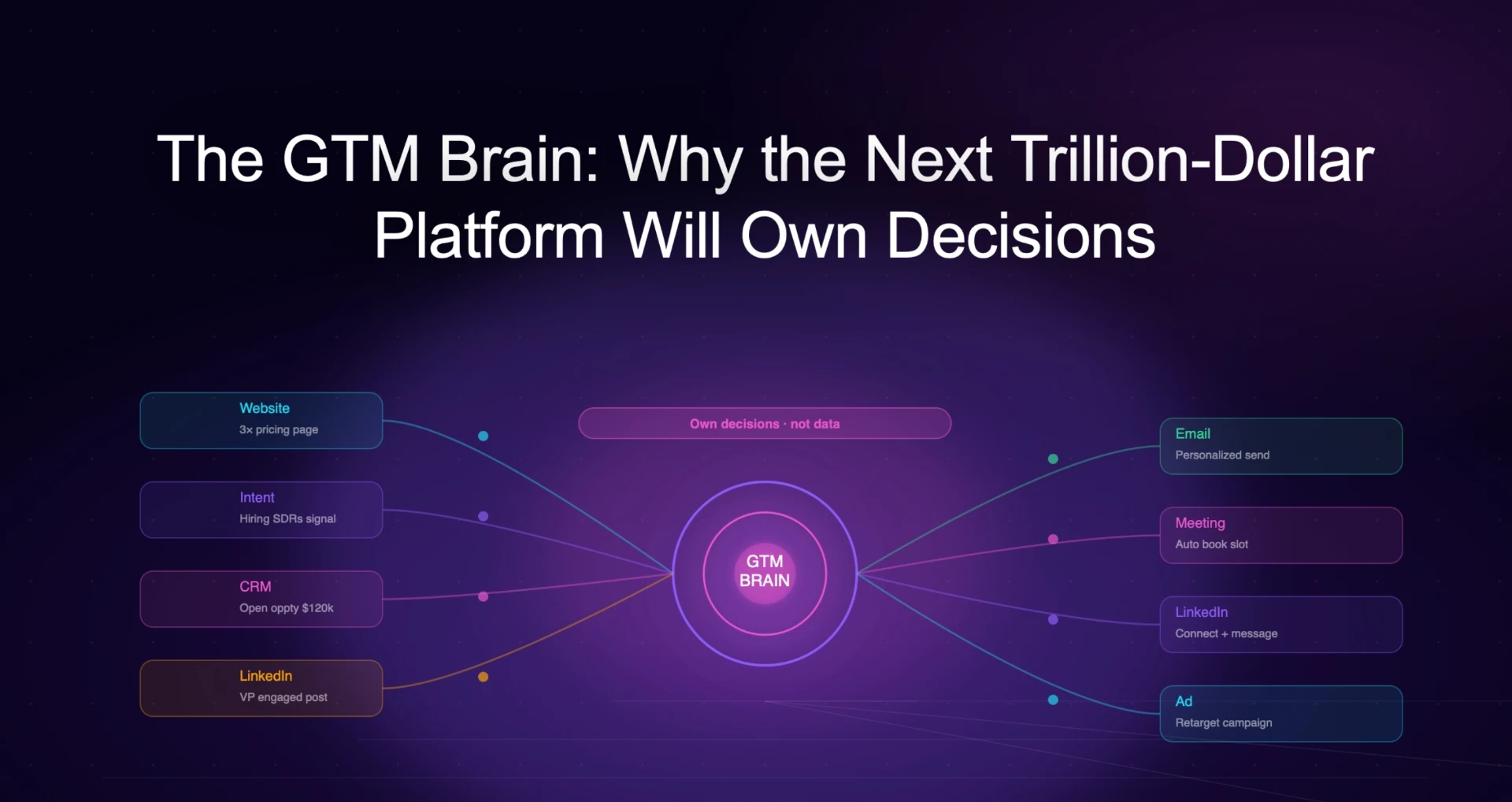
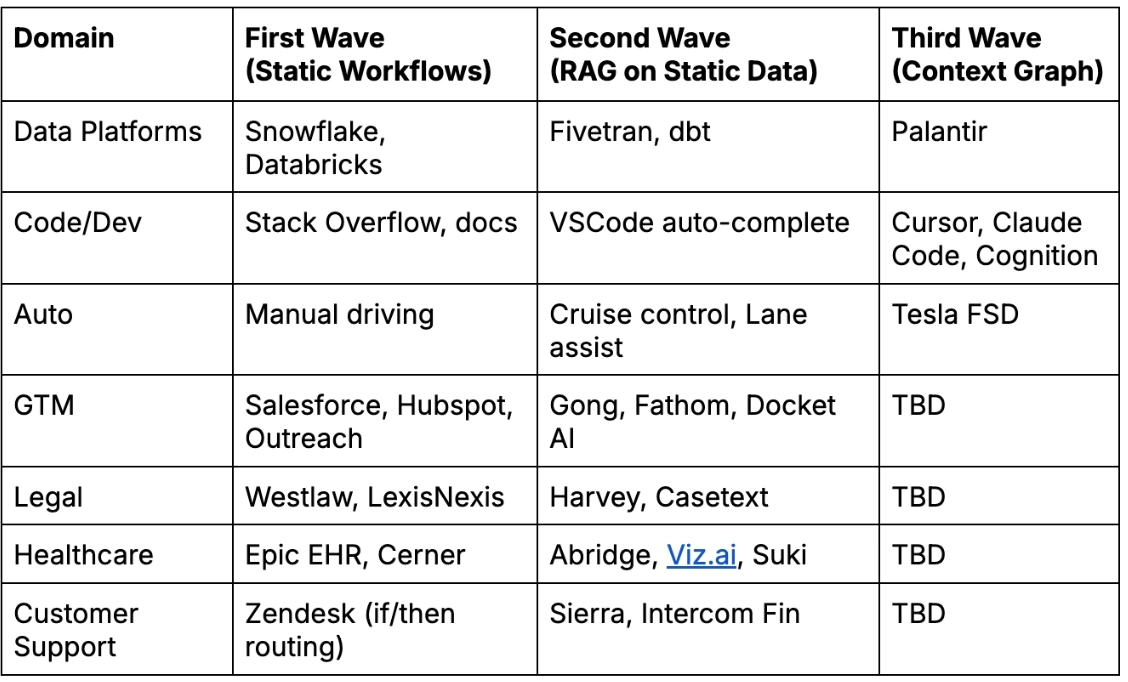
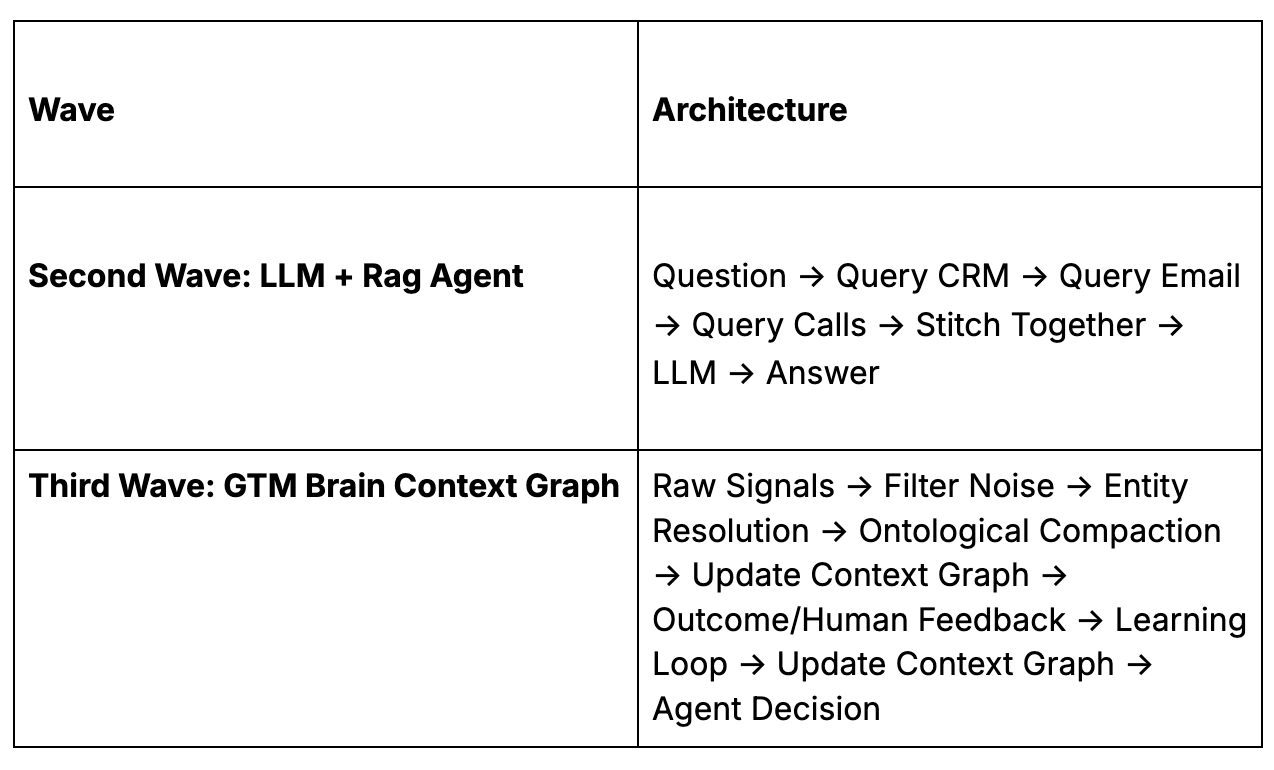
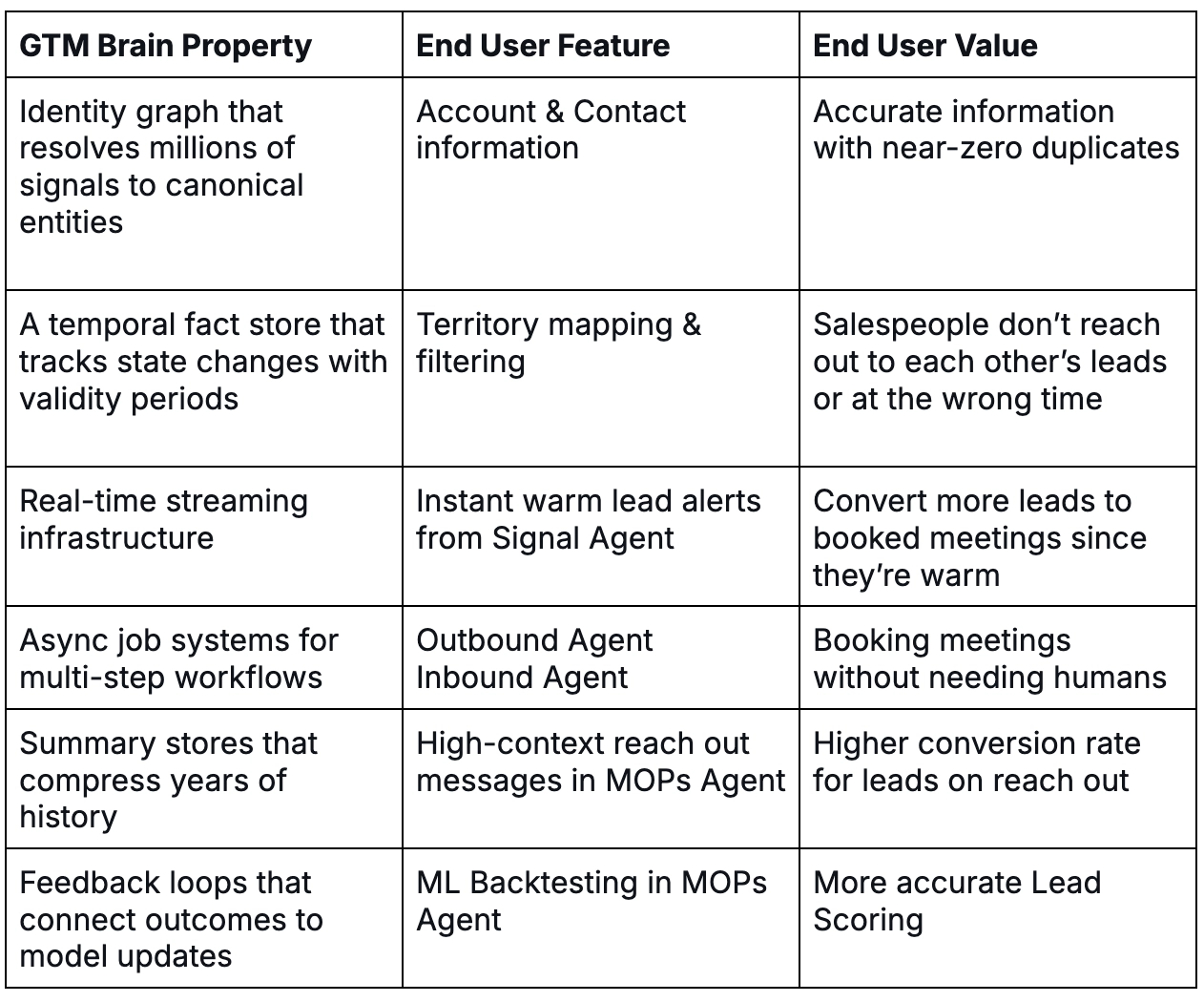
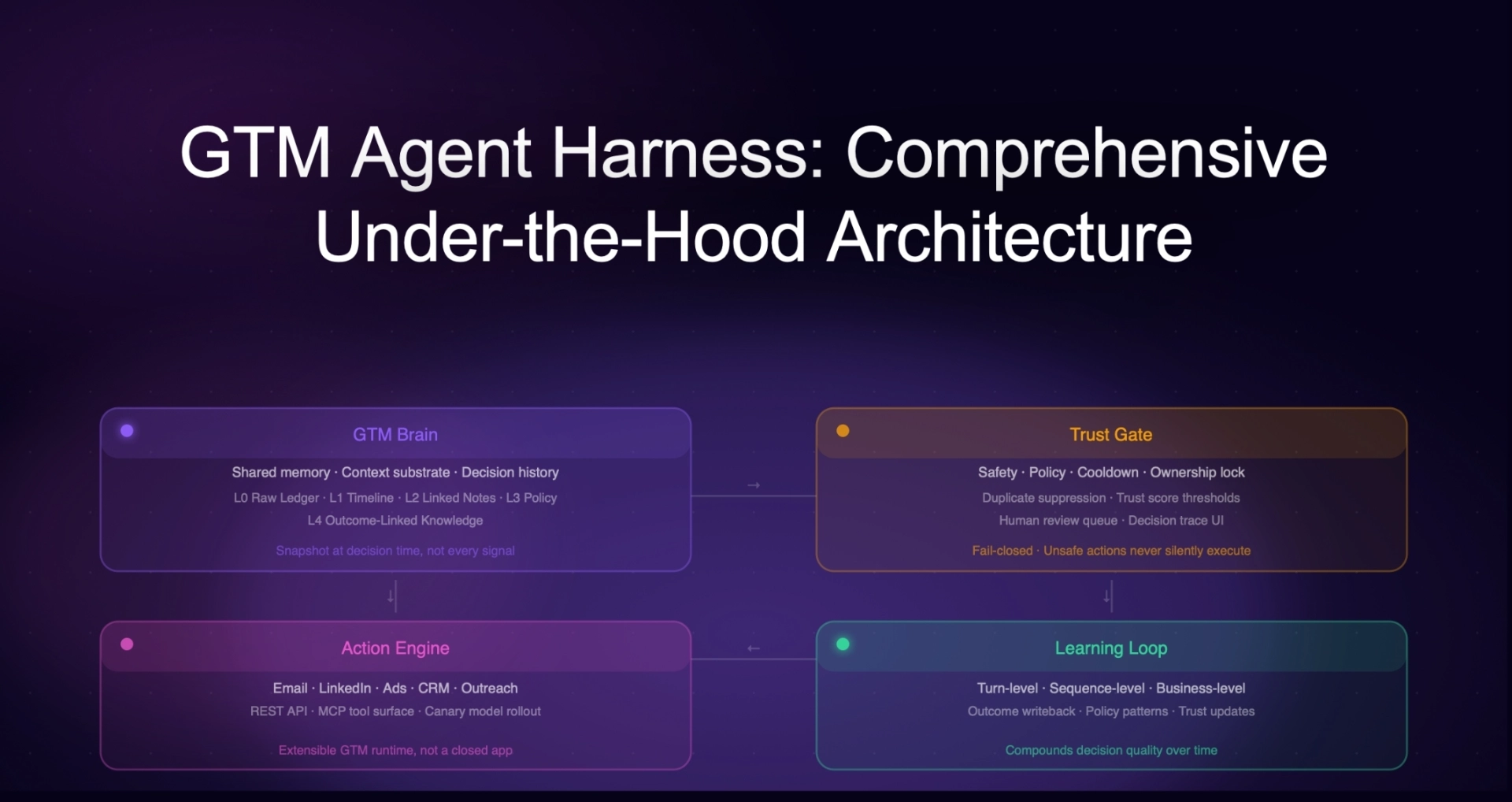
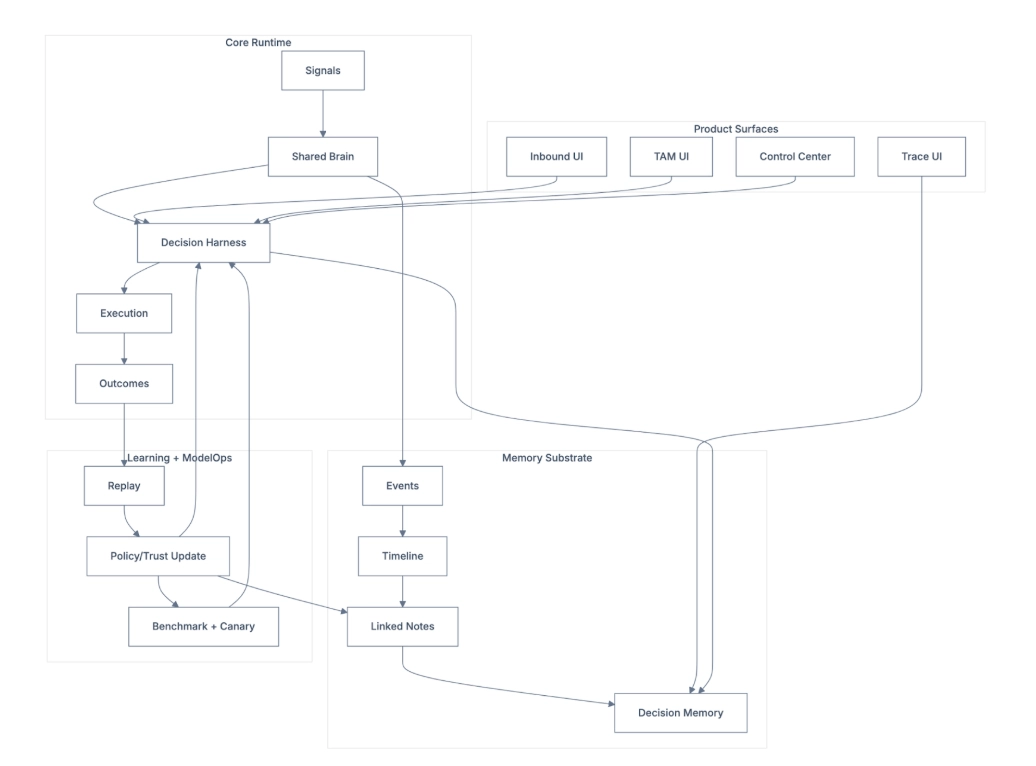
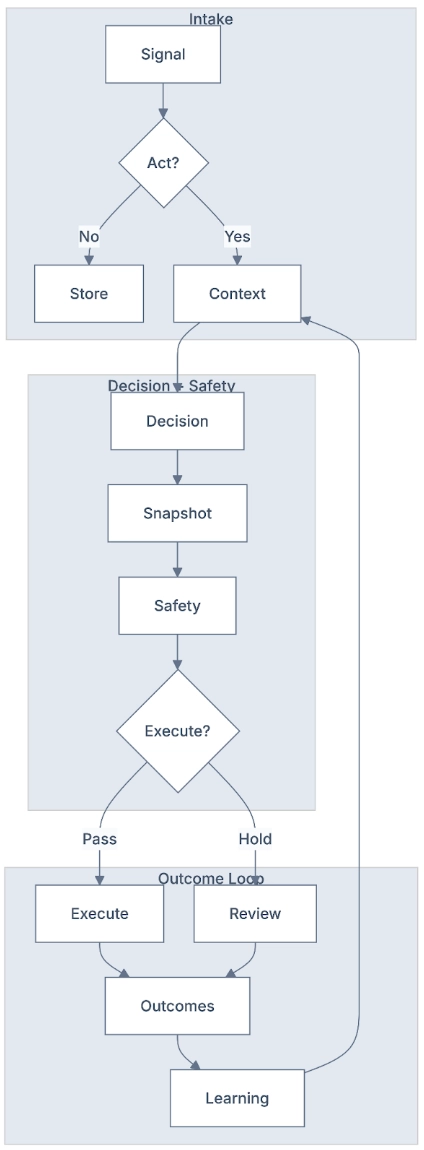
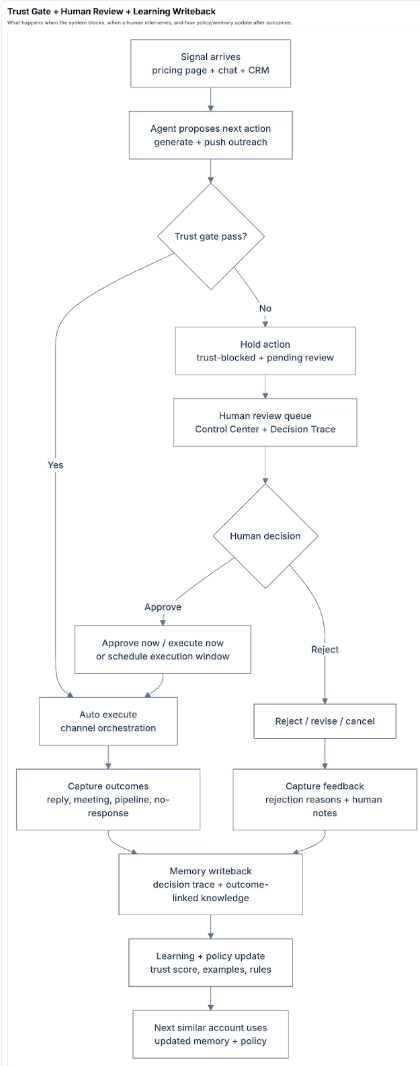
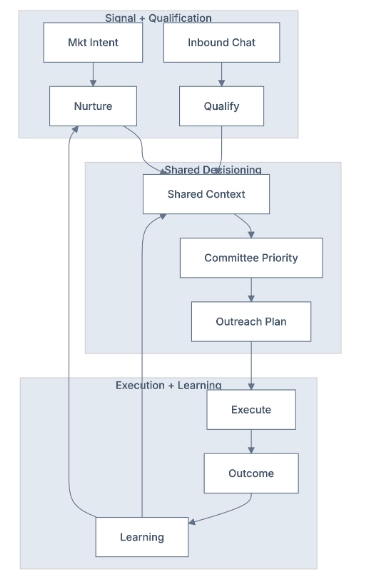
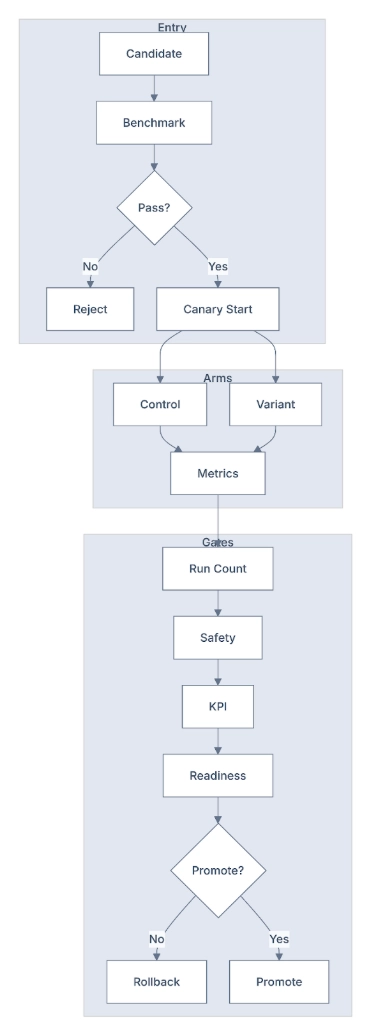
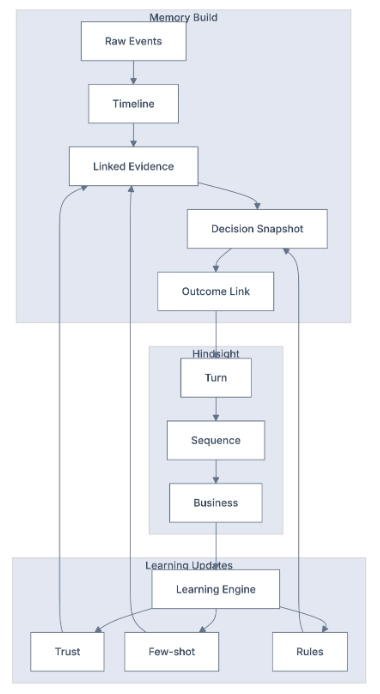
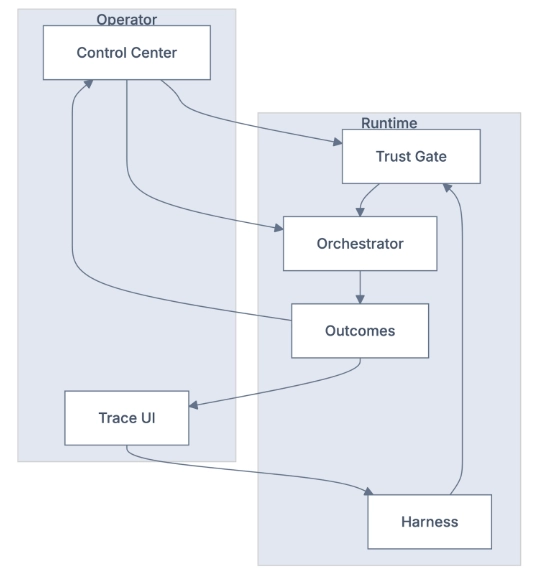
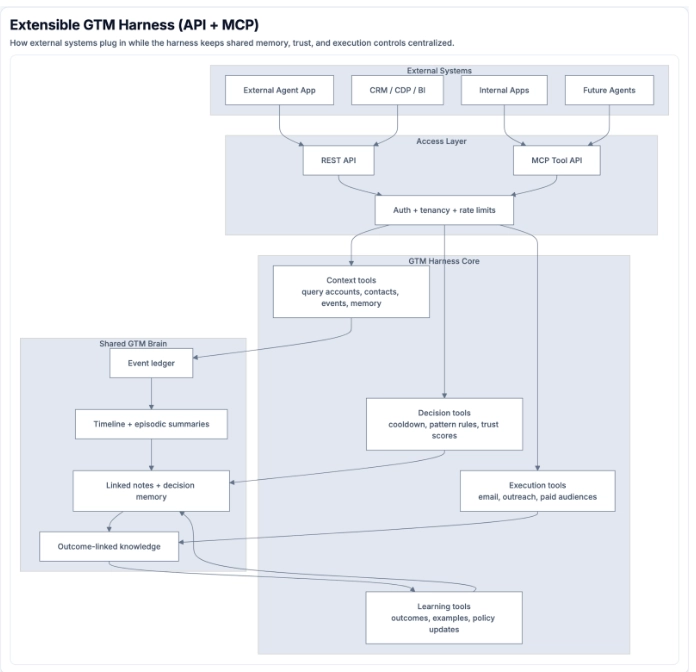
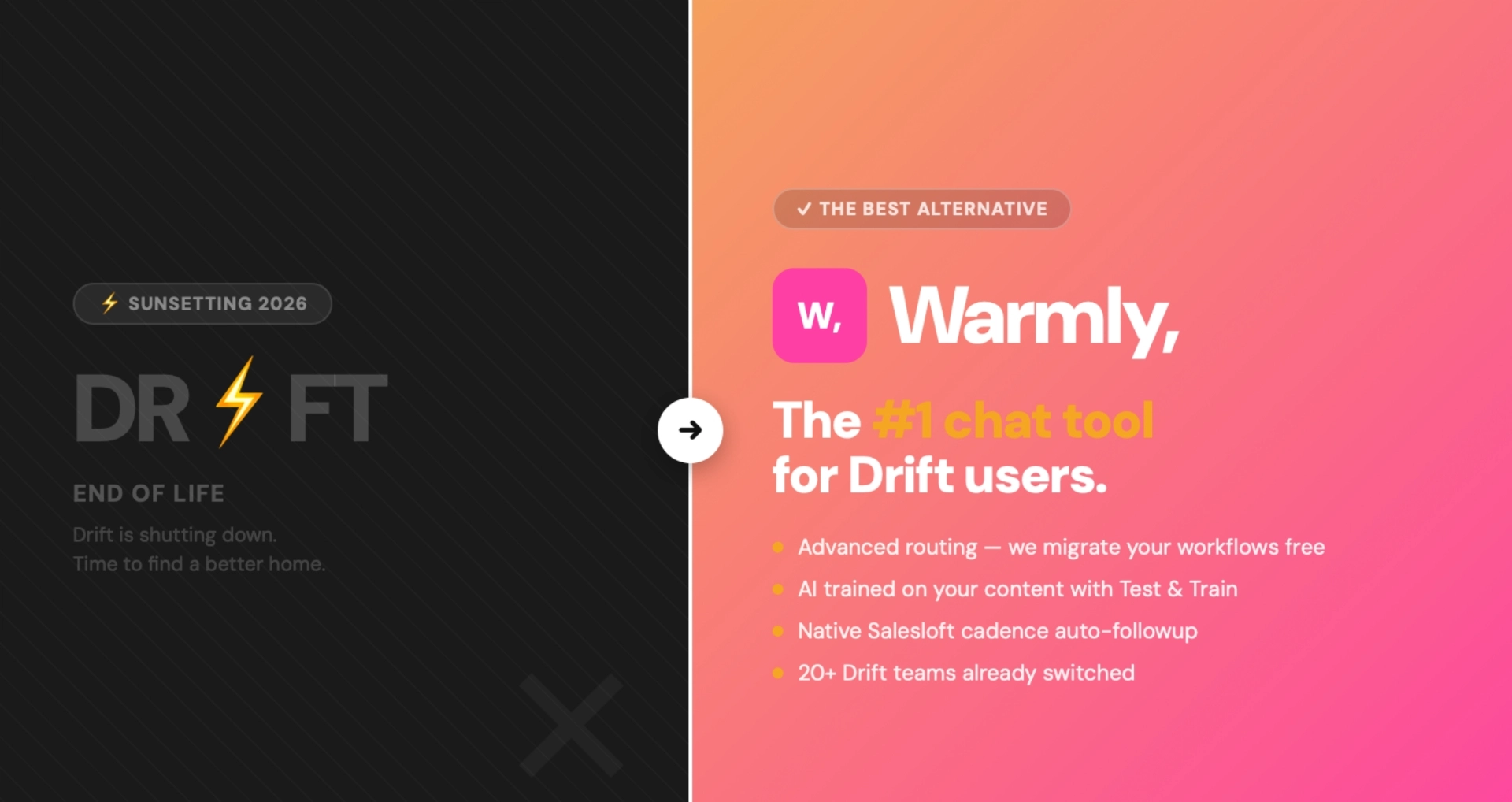
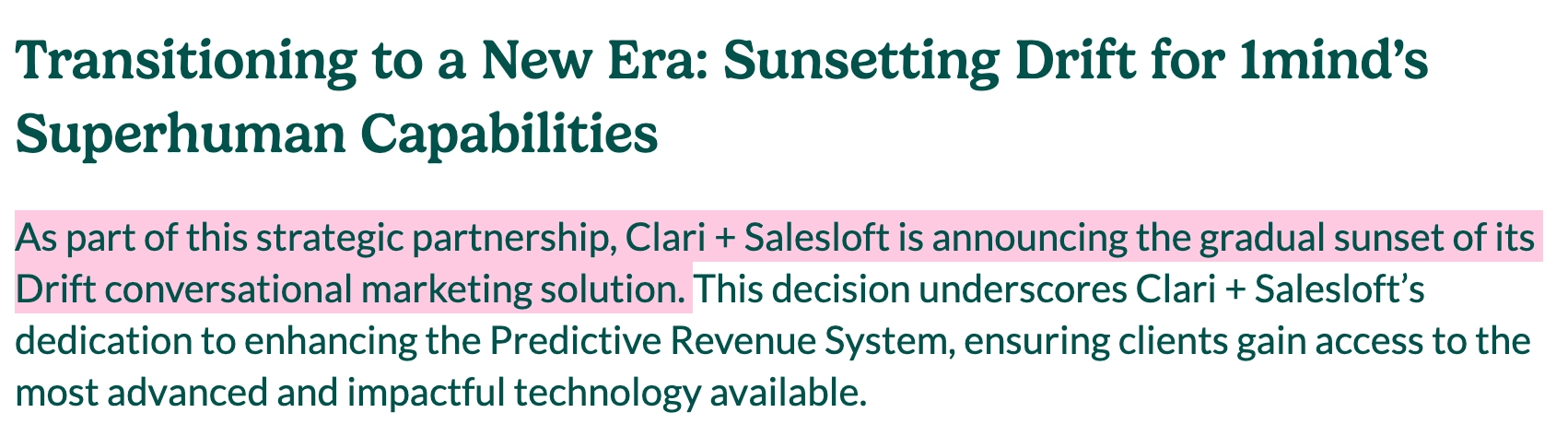

![6sense Review: Is It Worth It in 2026? [In-Depth]](https://cdn.prod.website-files.com/6506fc5785bd592c468835e0/67b613de9d586b53d1dec646_6sense_review.webp)


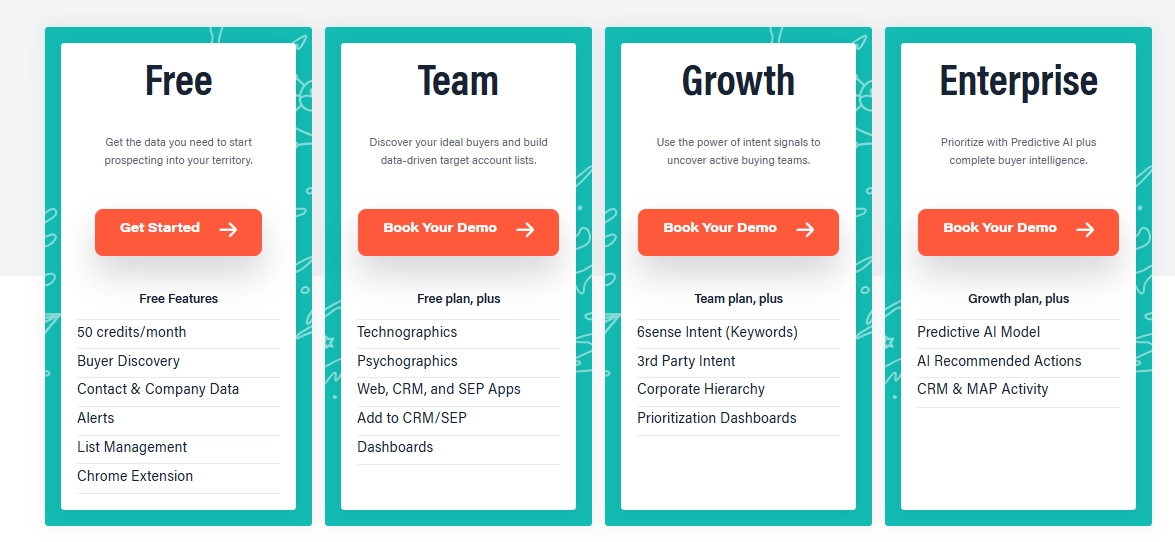


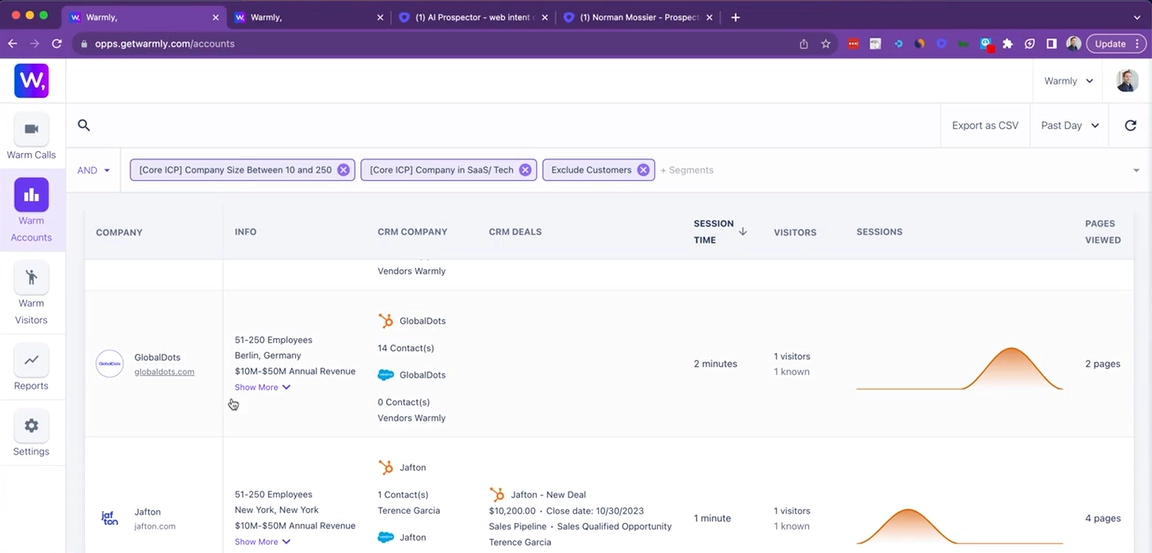

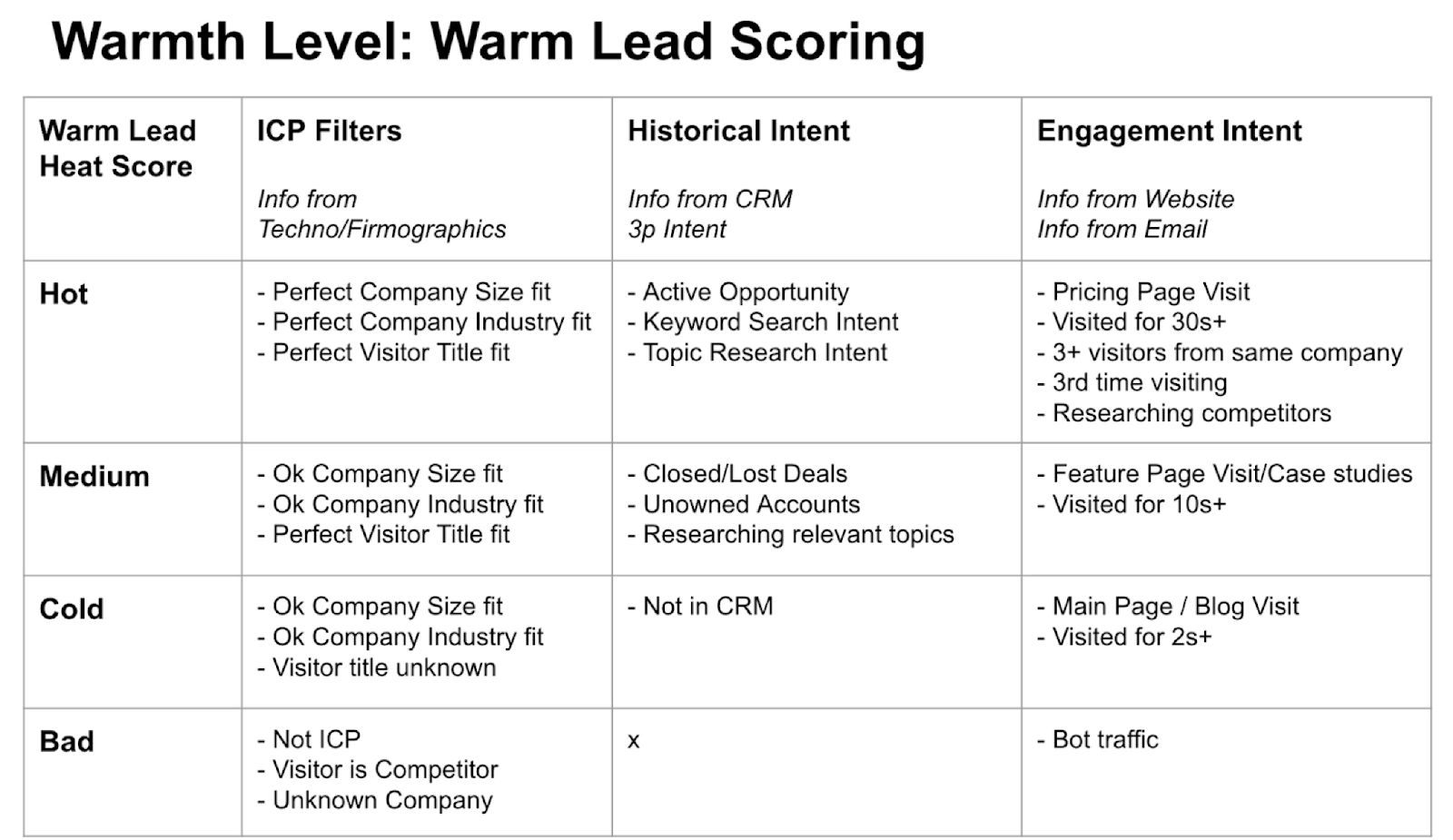

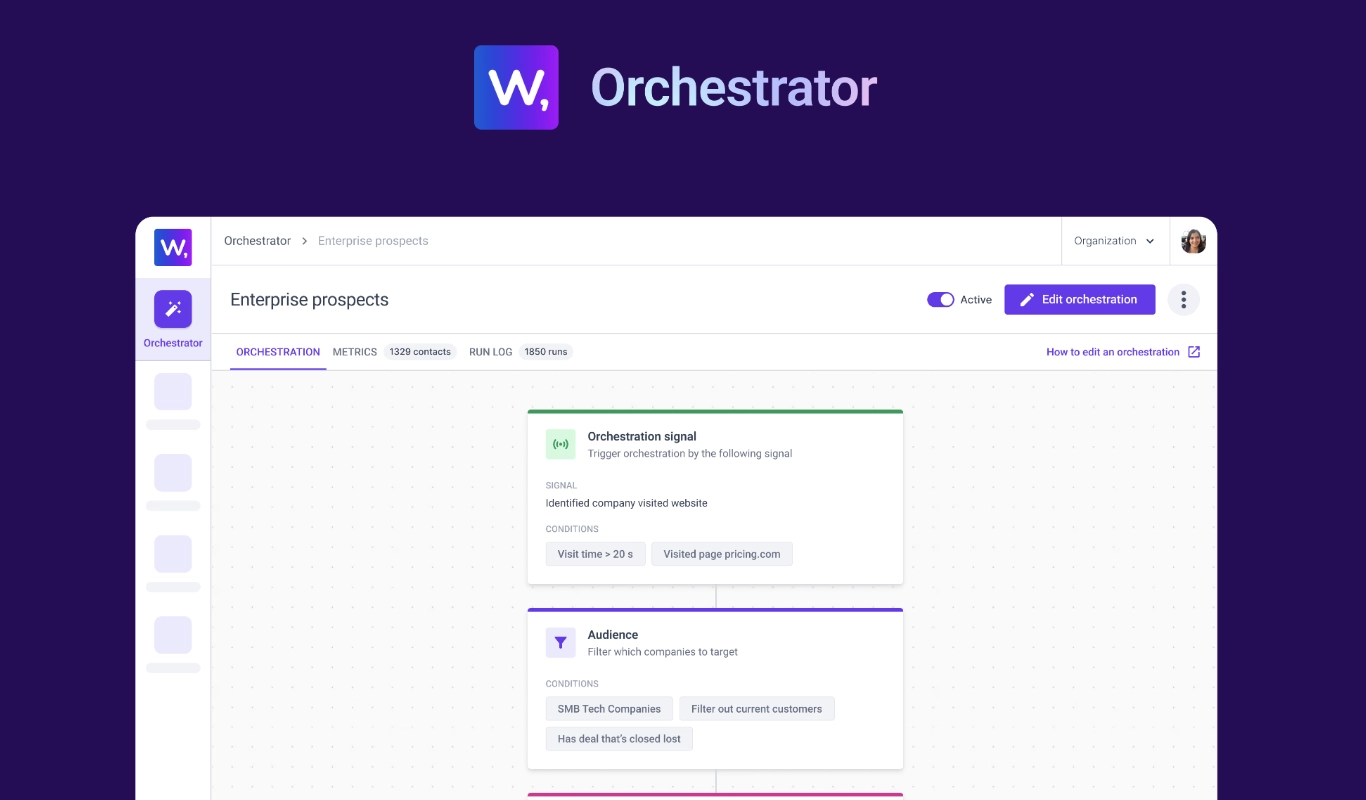
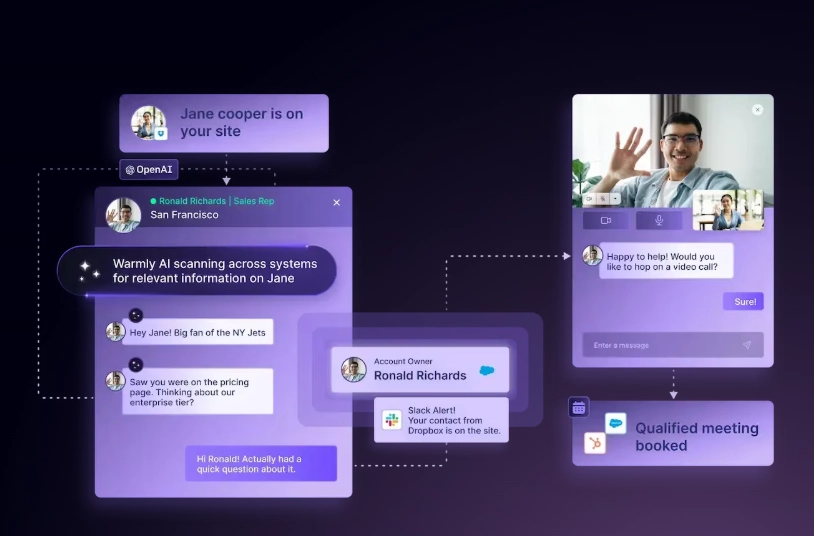
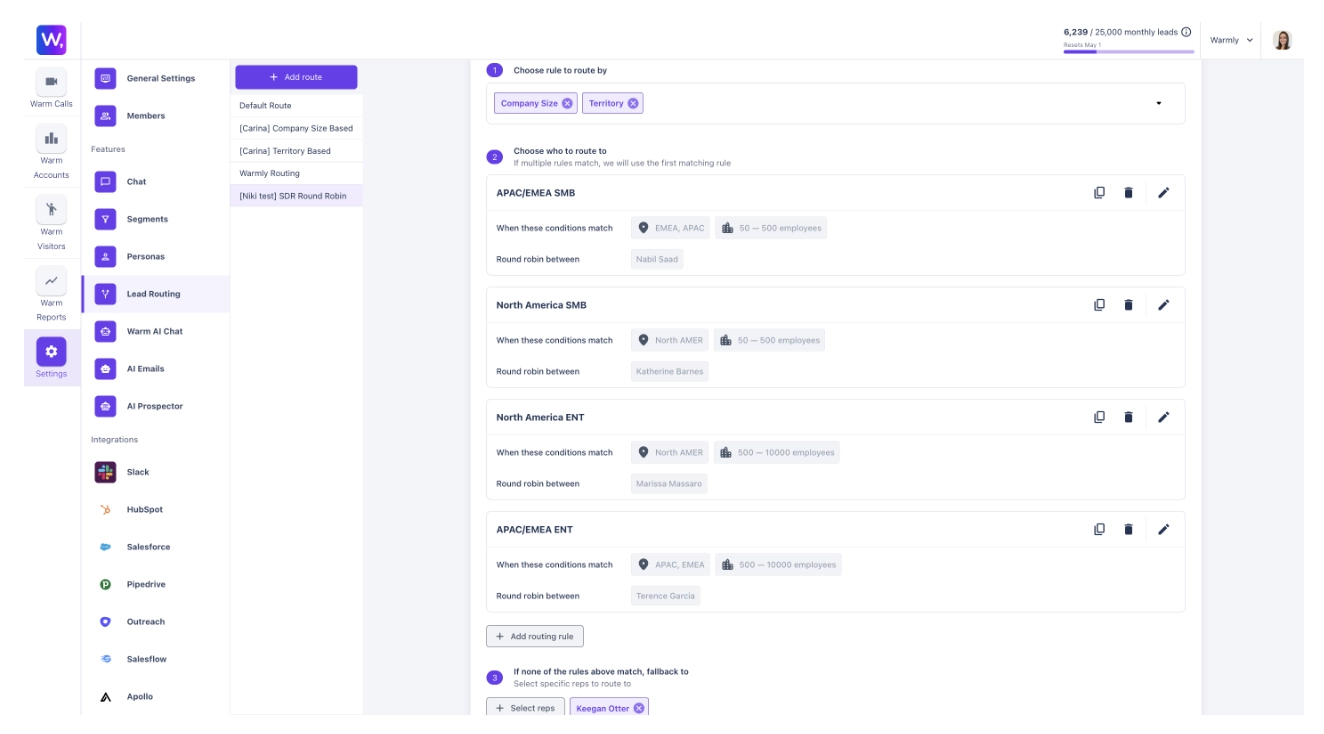
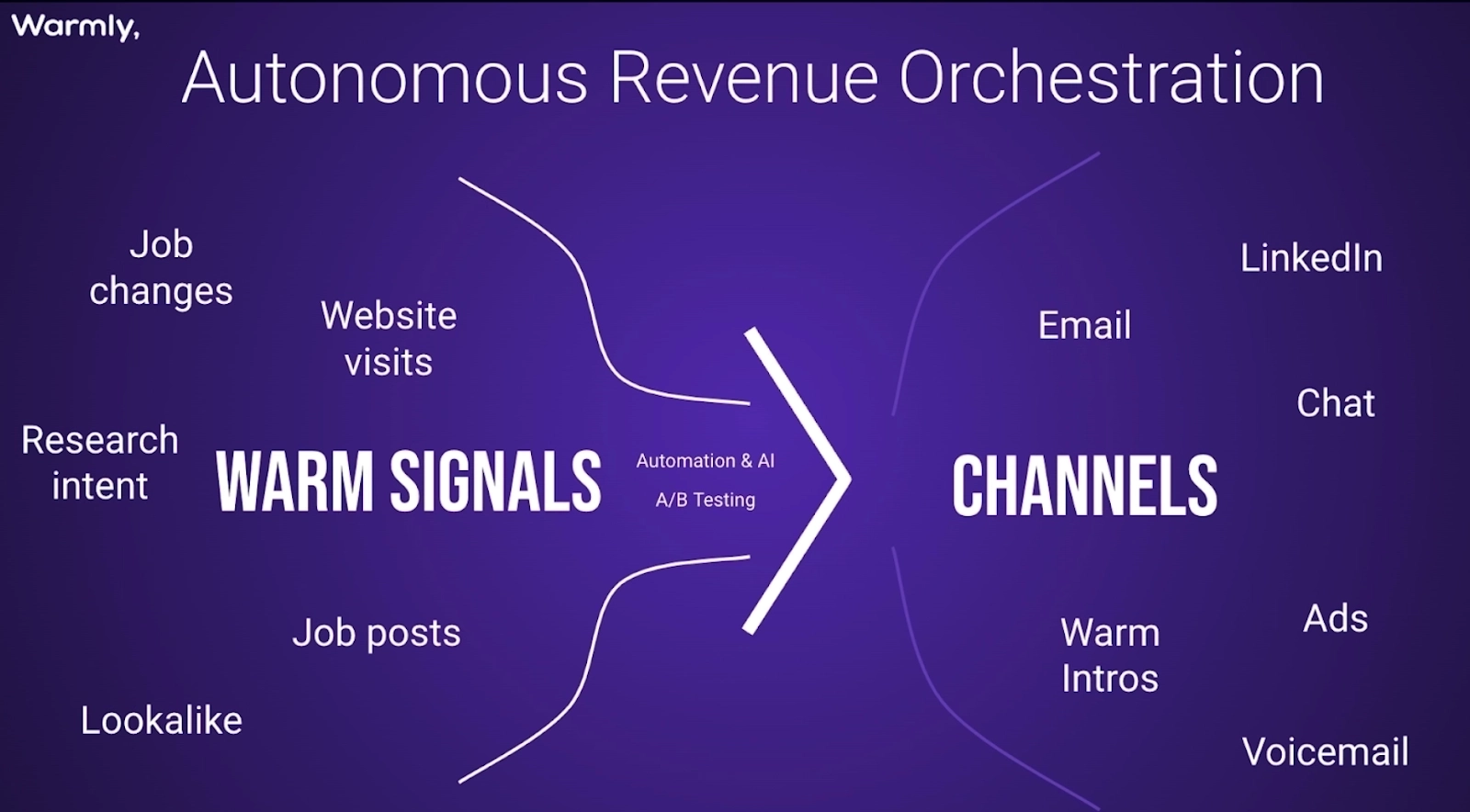
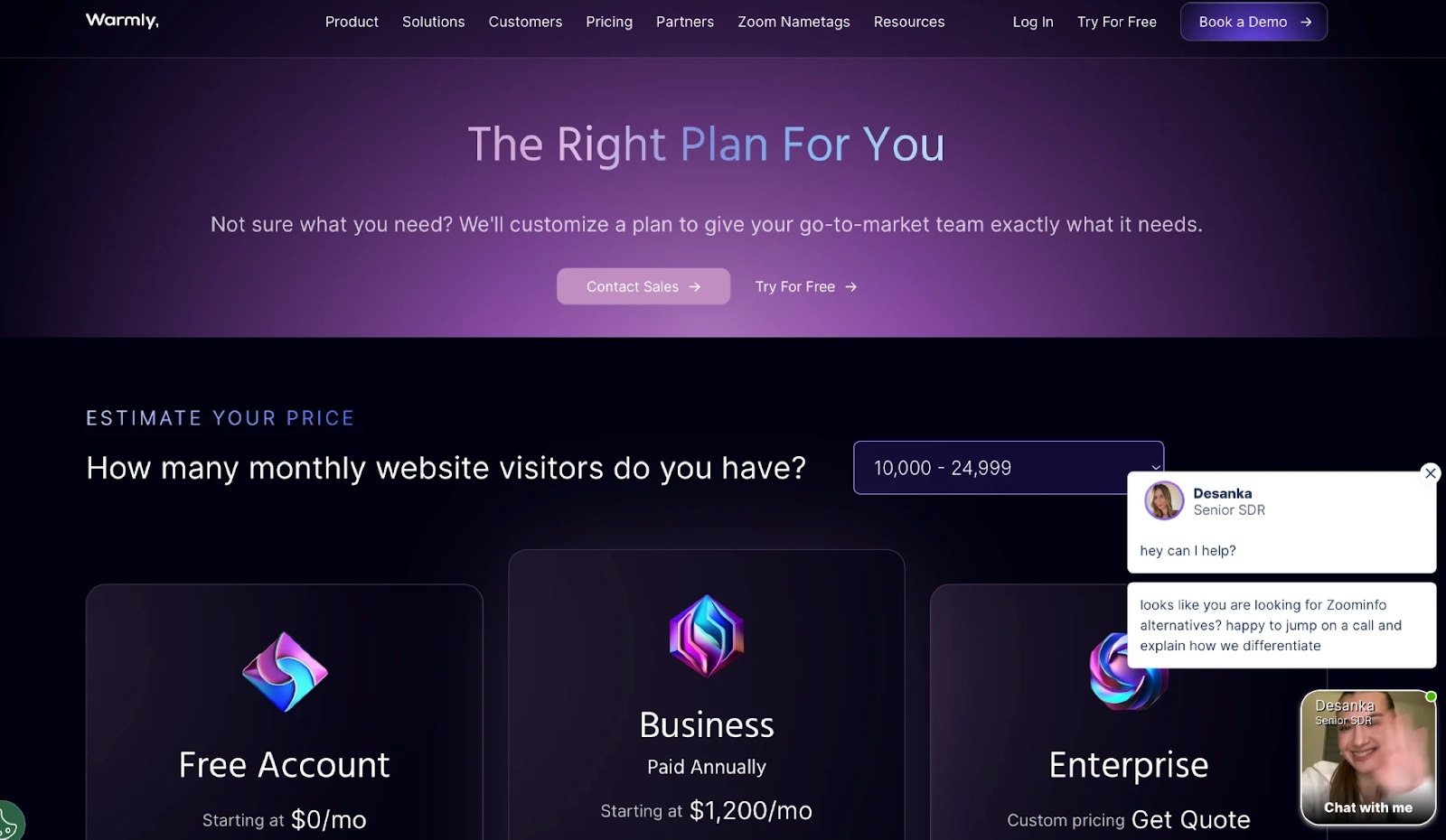


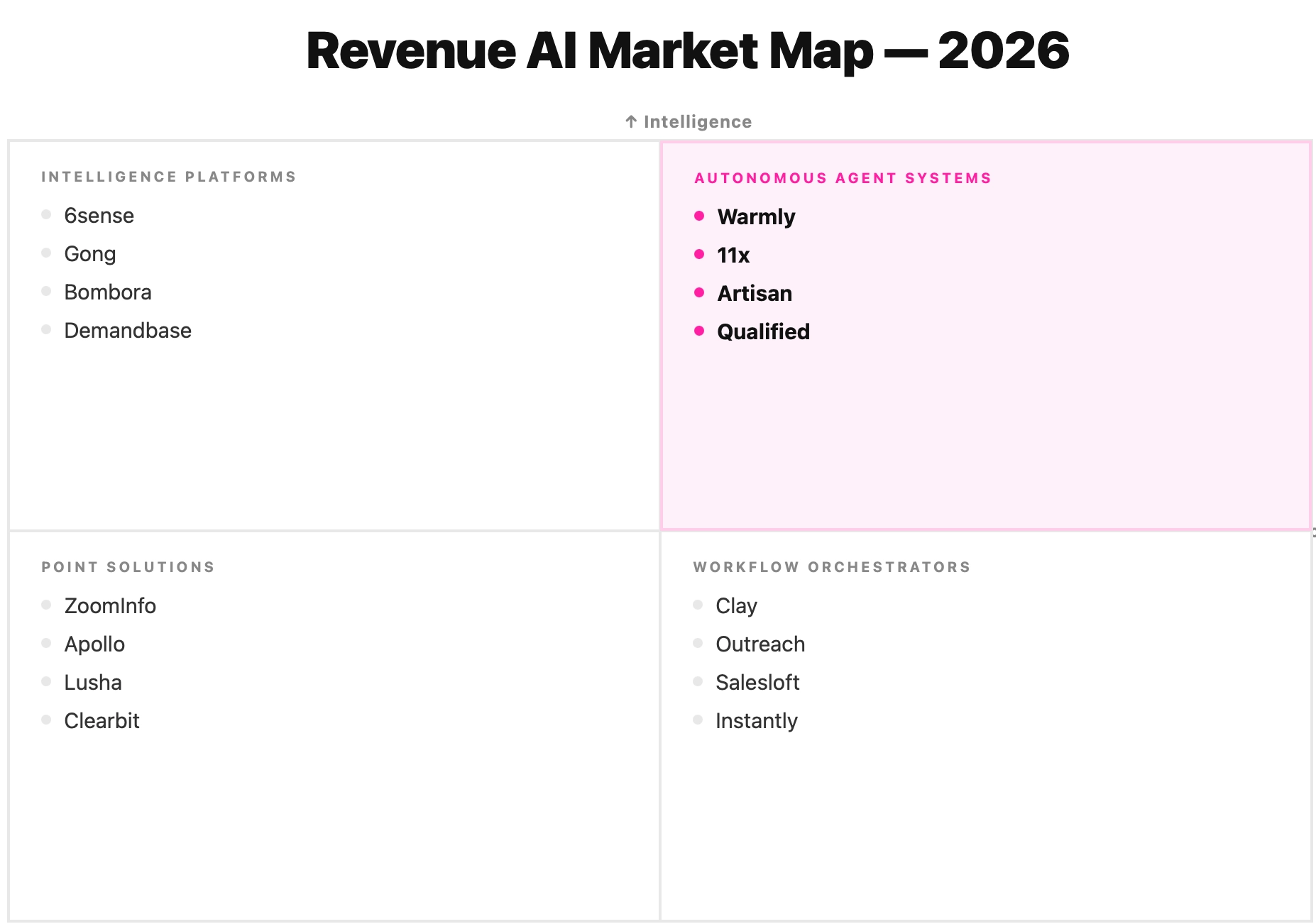
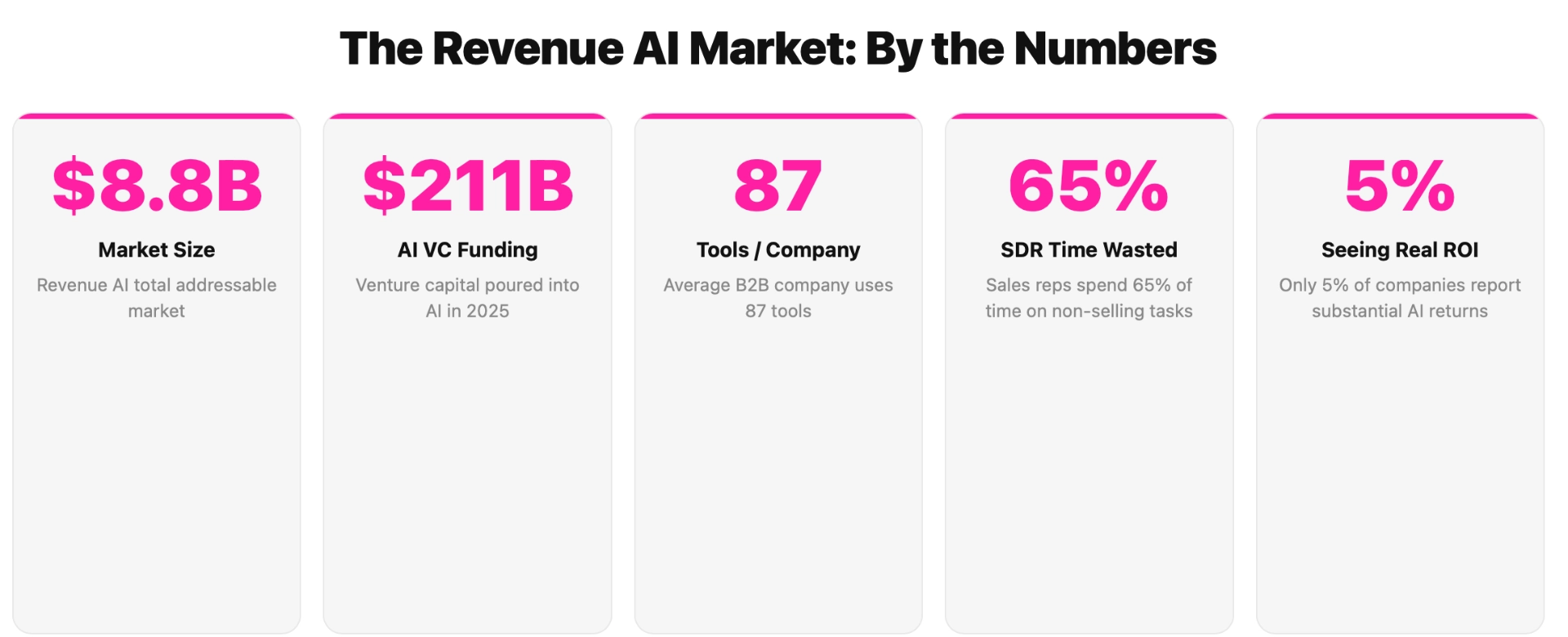
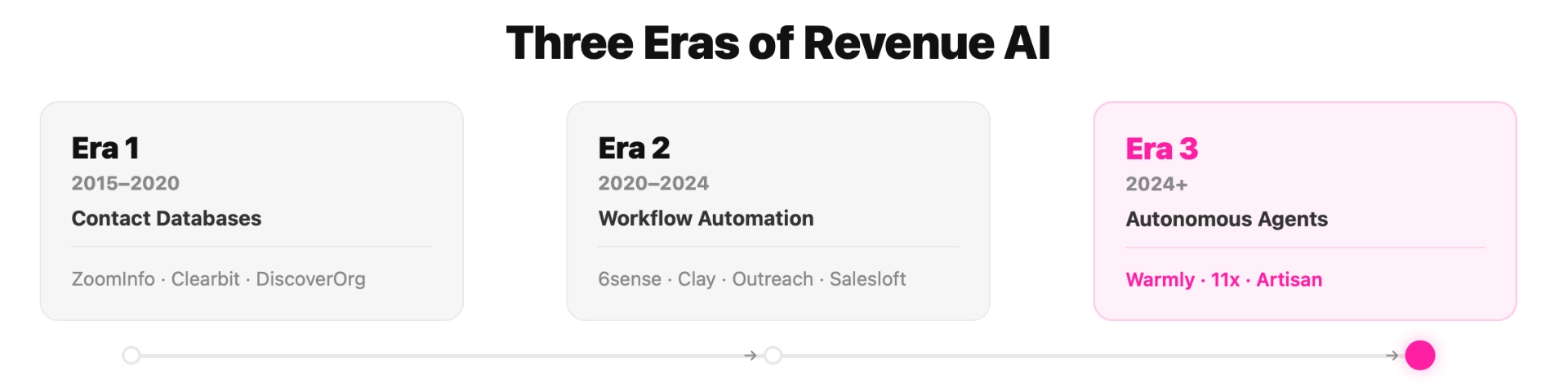
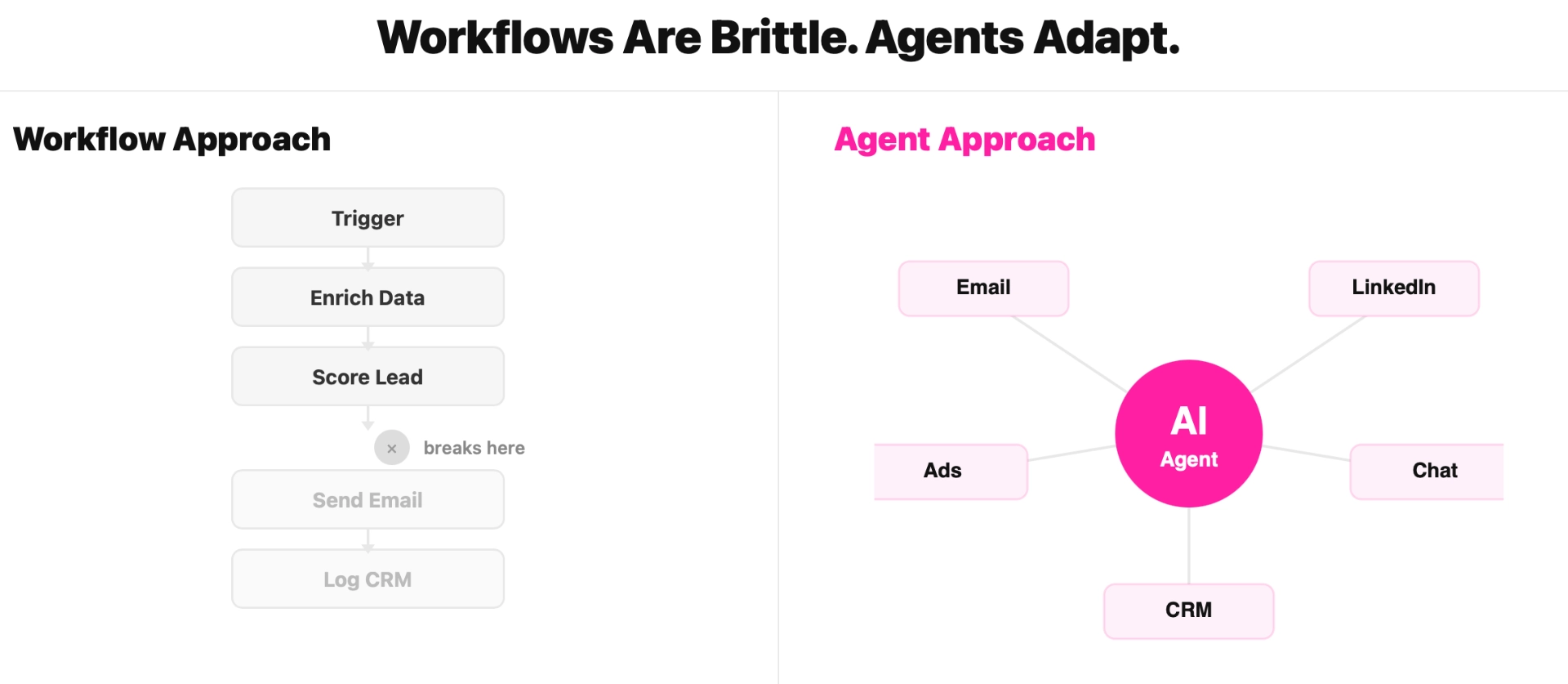
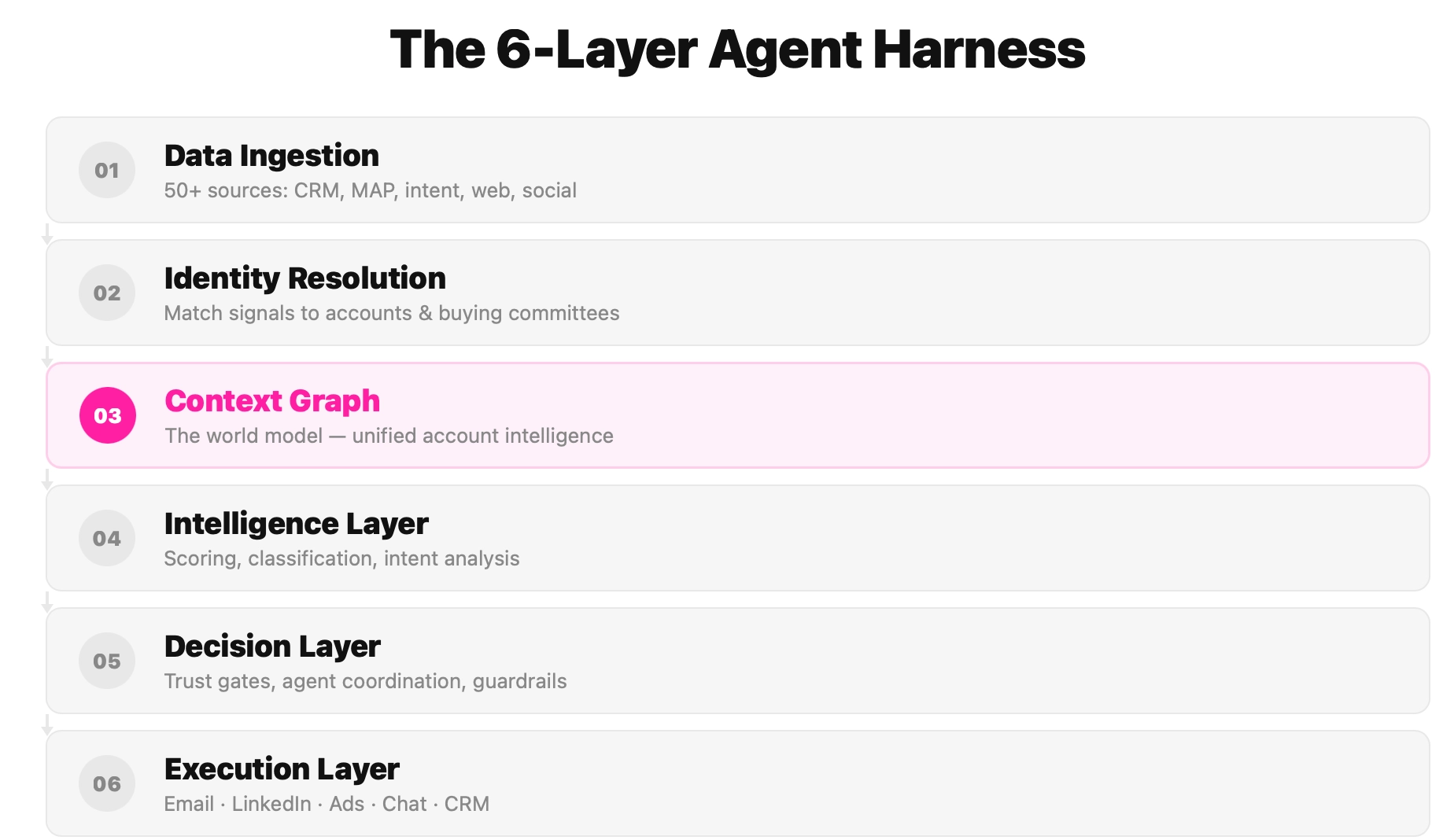
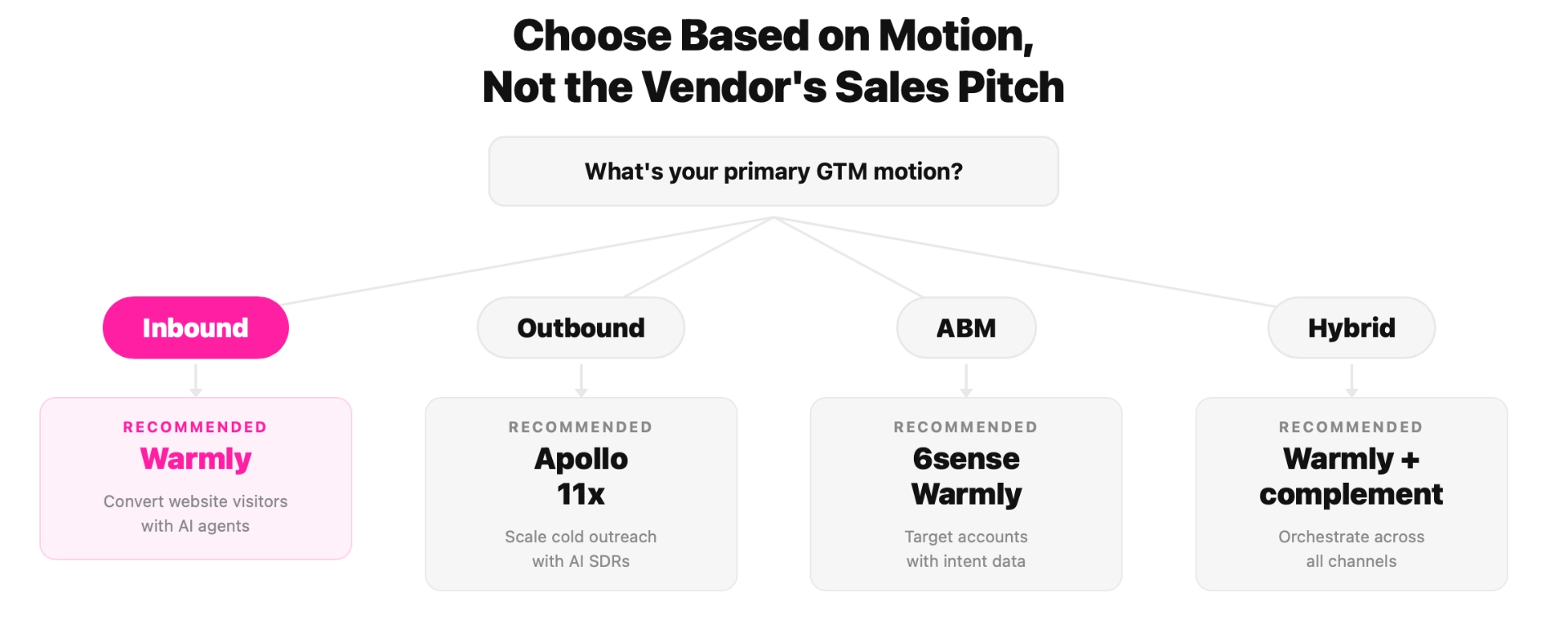


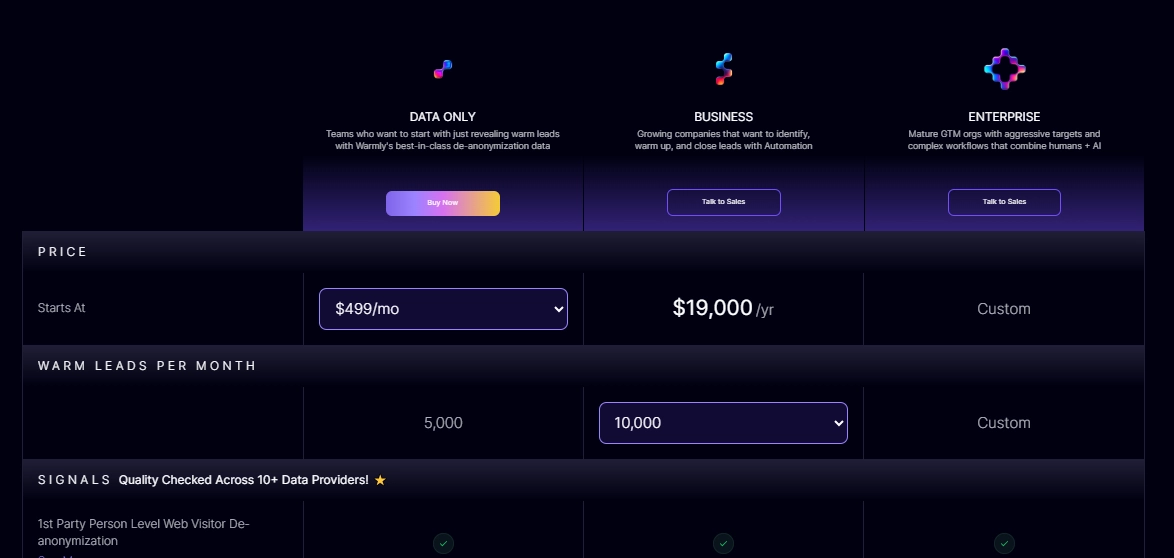


![10 Best AI Sales Chatbots To Drive Revenue [2026]](https://cdn.prod.website-files.com/6506fc5785bd592c468835e0/6861a3ea9e7ea3ab1d97c702_ai_sales_chatbots.webp)


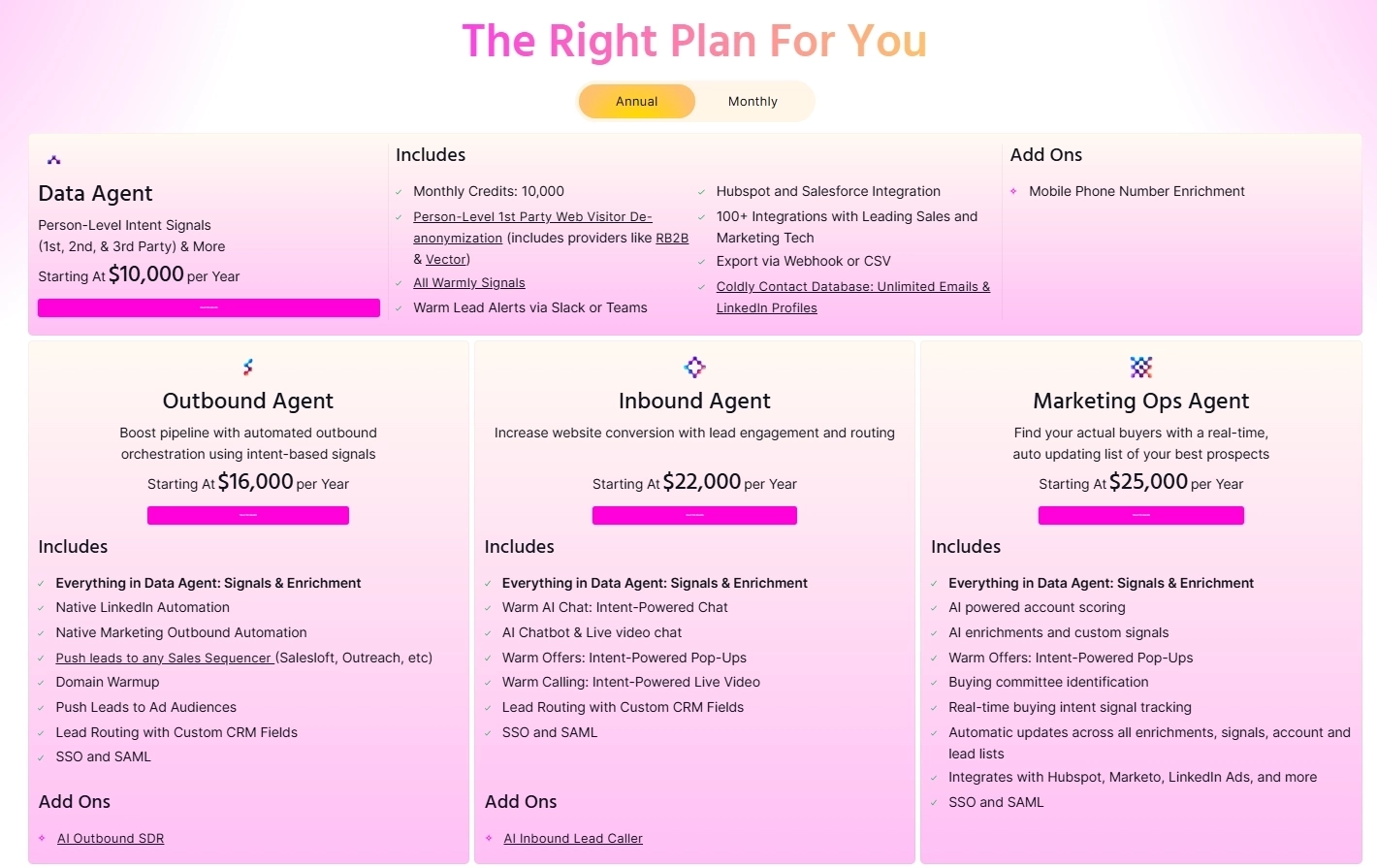
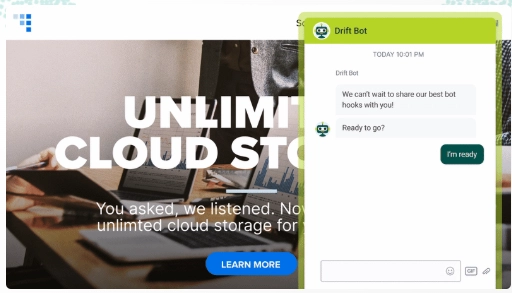


![10 Best AI Outbound Sales Tools [2026]](https://cdn.prod.website-files.com/6506fc5785bd592c468835e0/6861a130b86b83b5761787af_ai_outbound_sales_tools.webp)
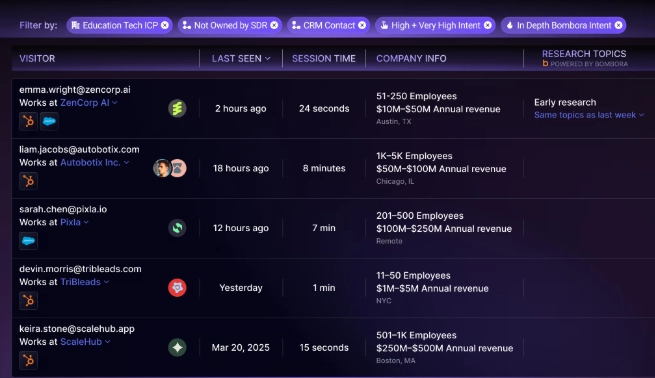
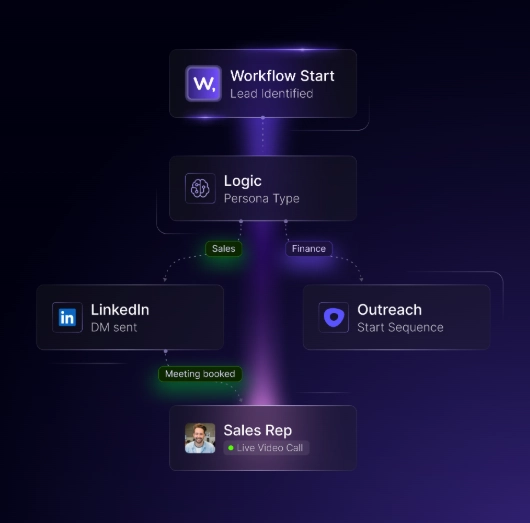

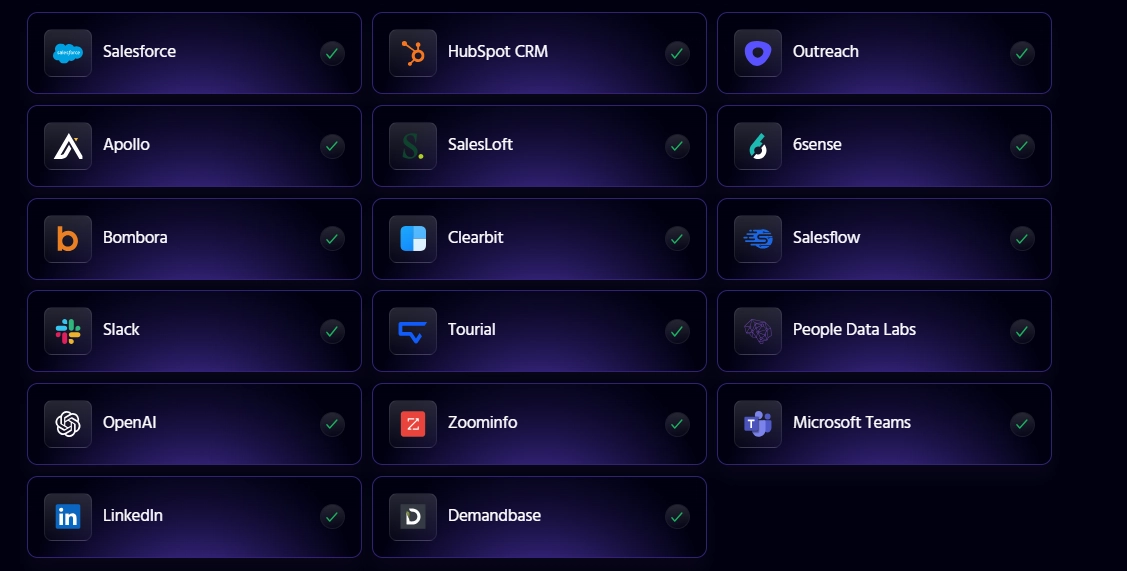
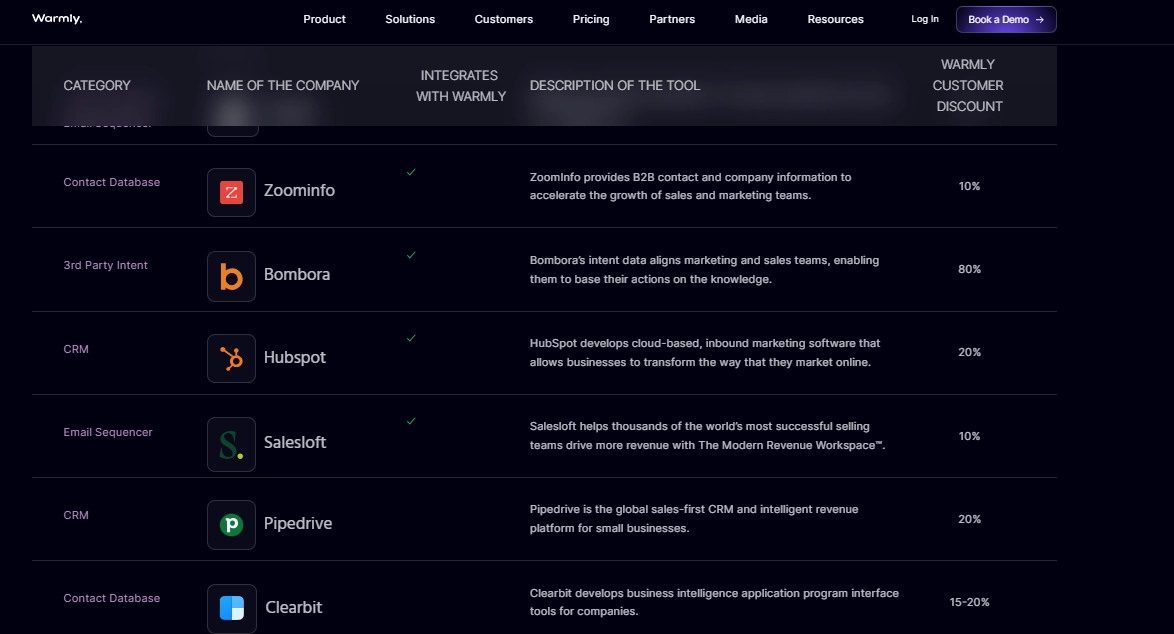


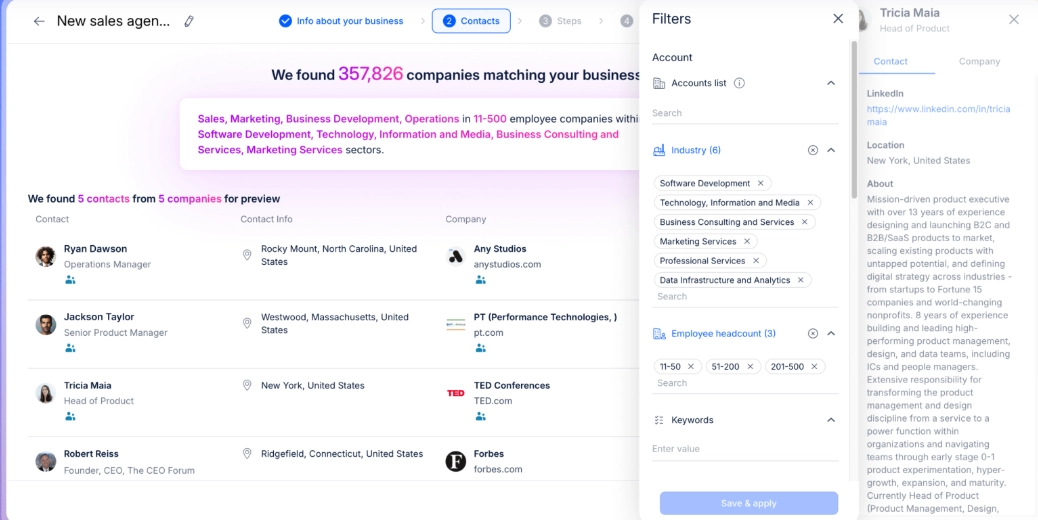
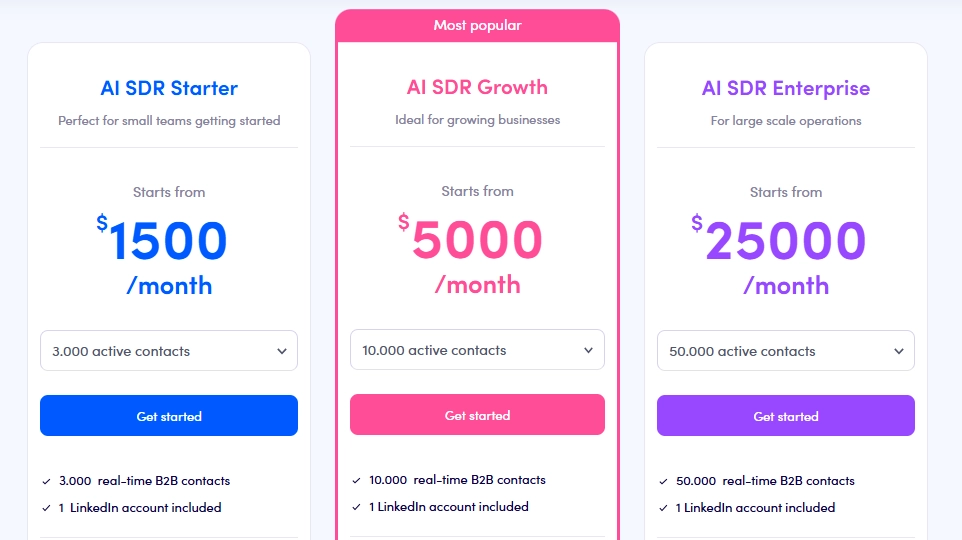


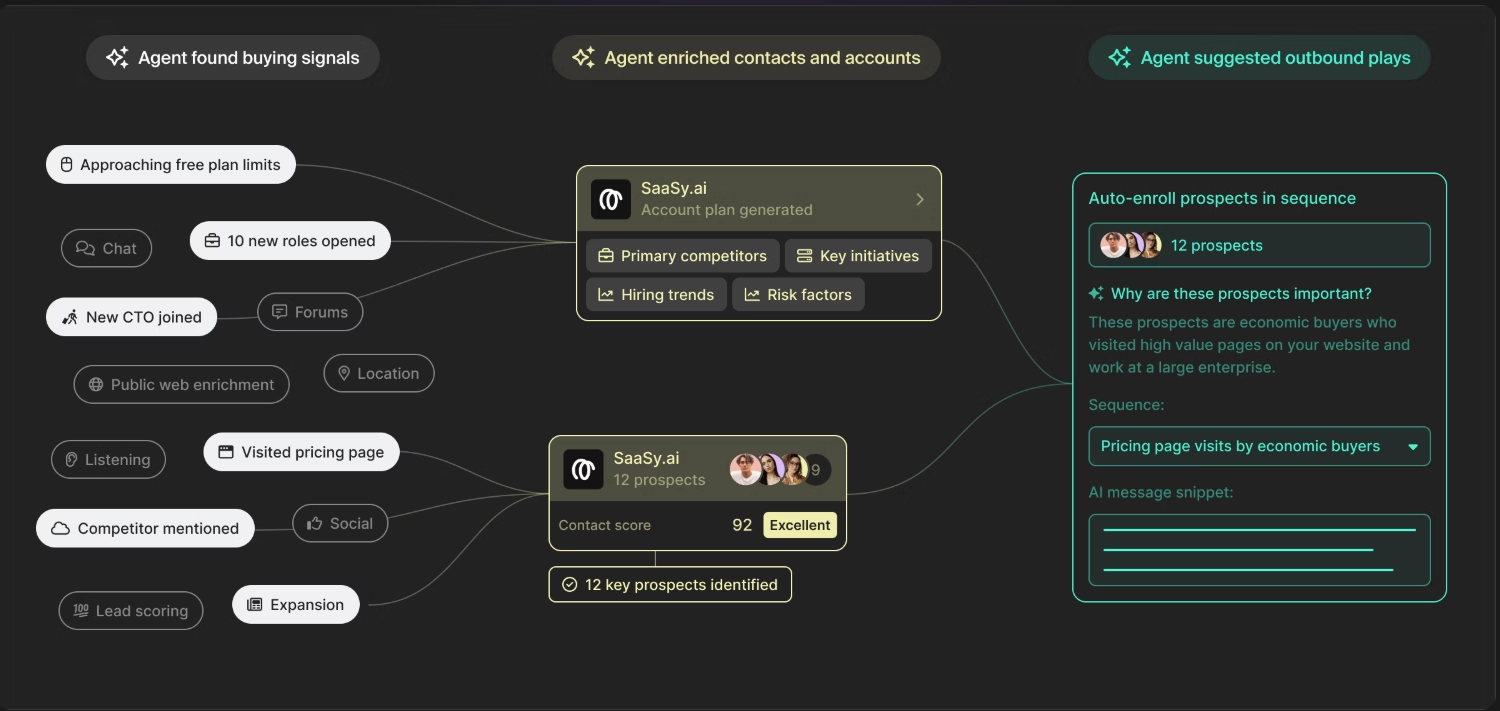


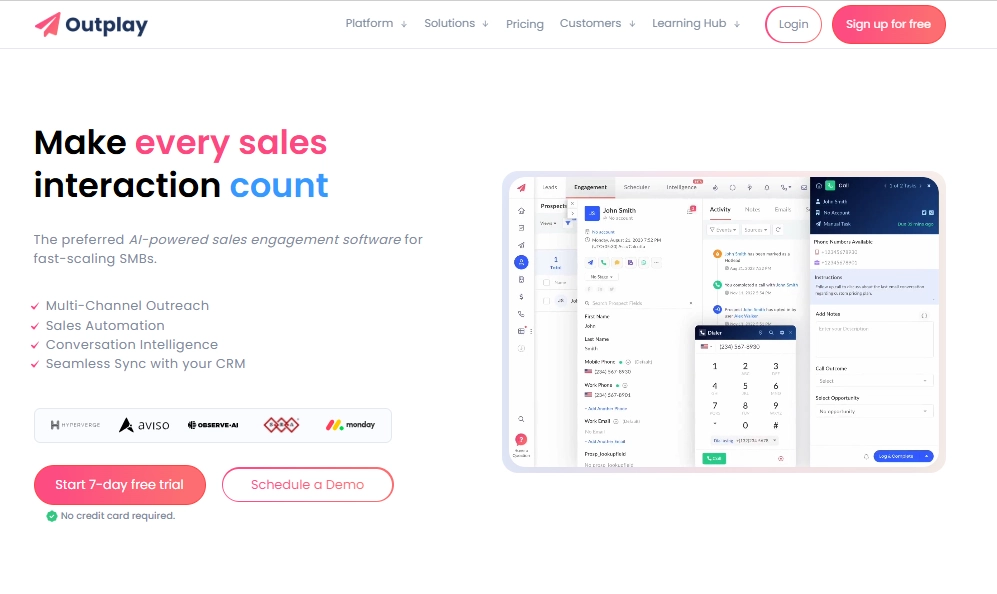
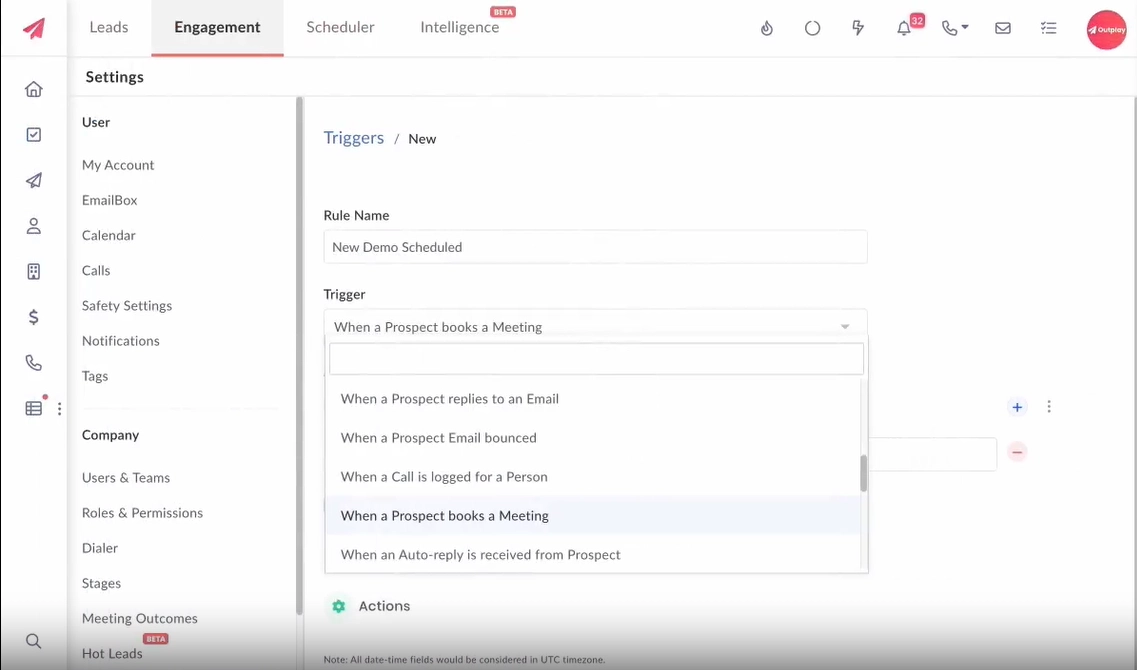
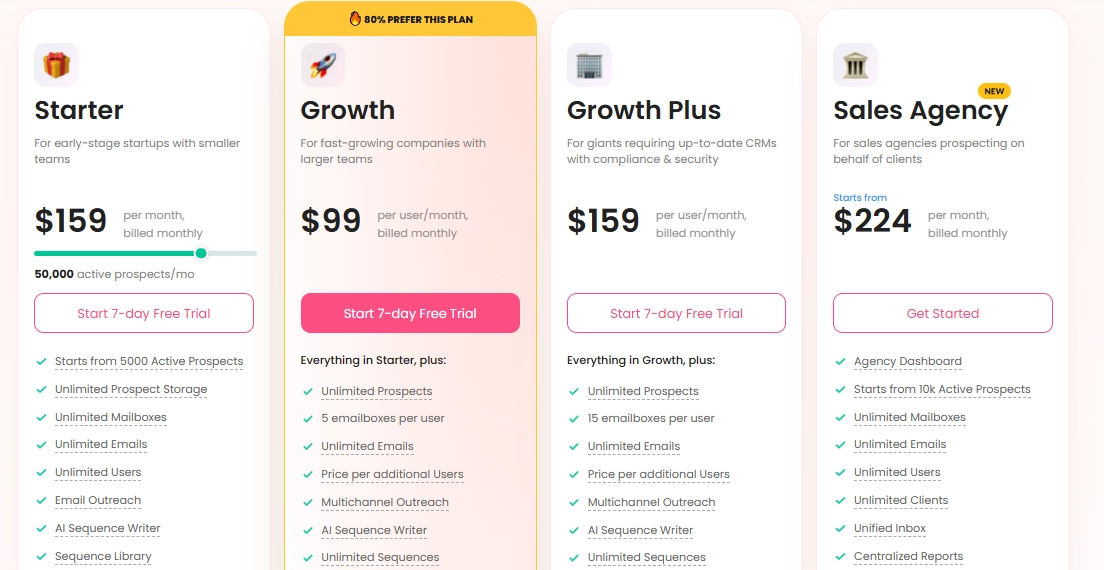




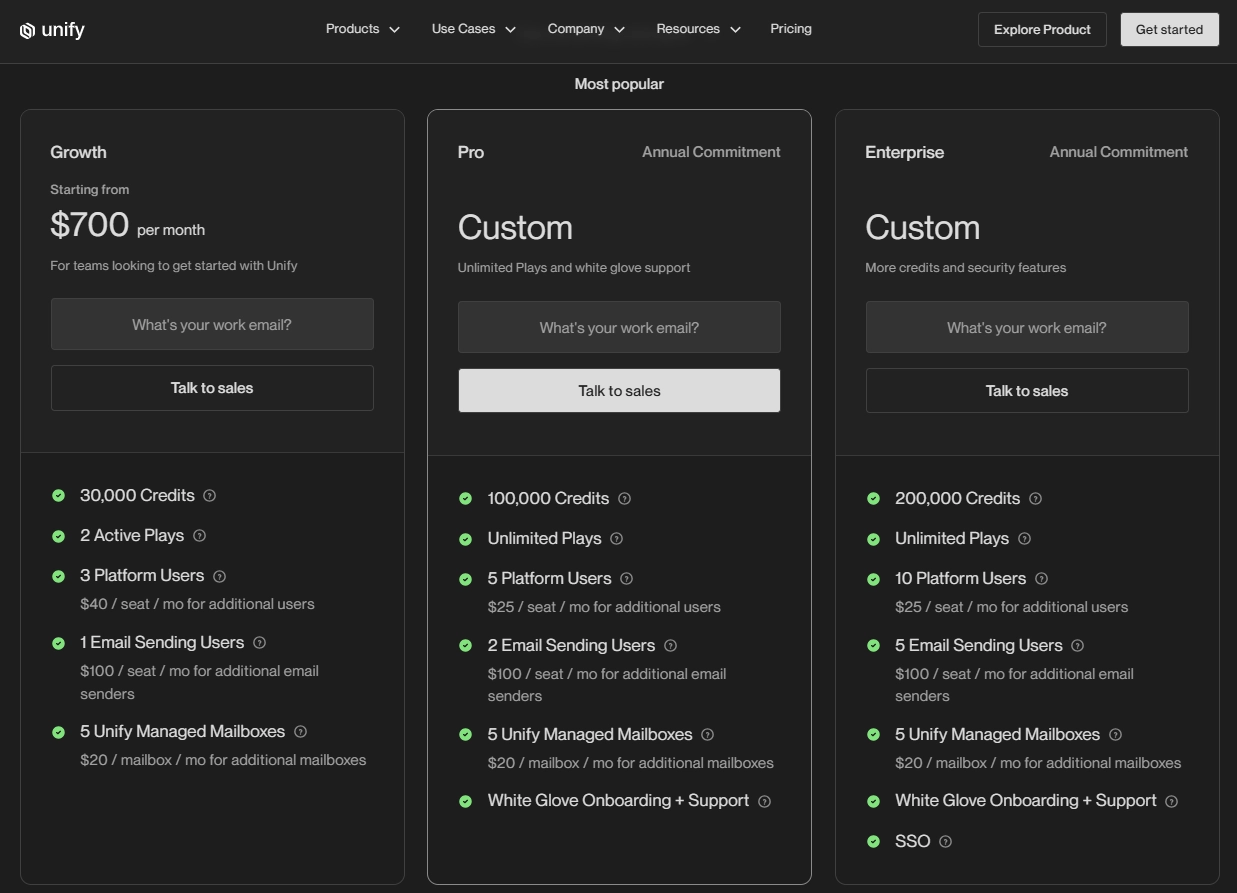




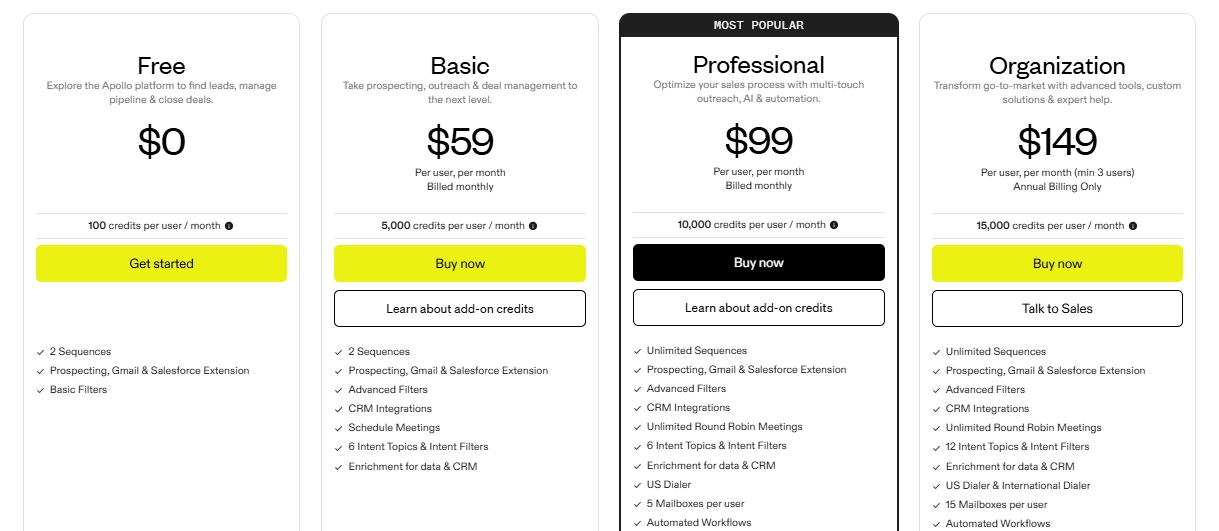


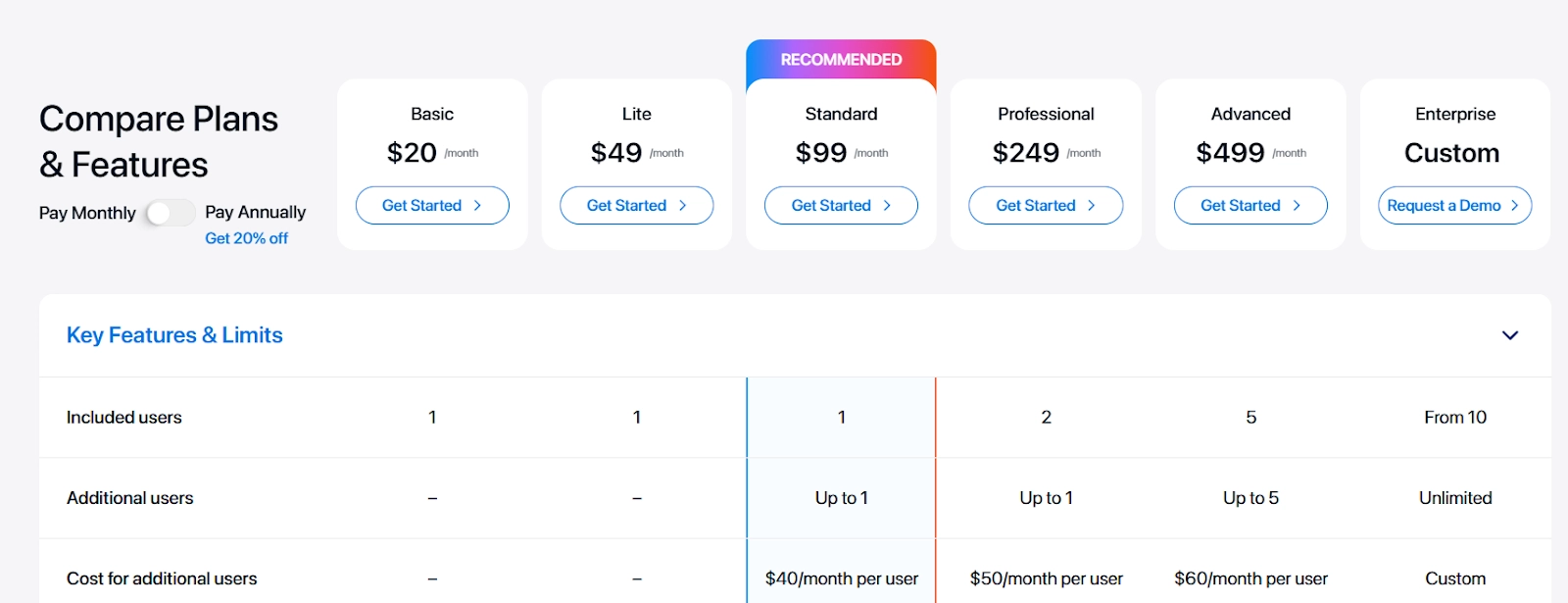




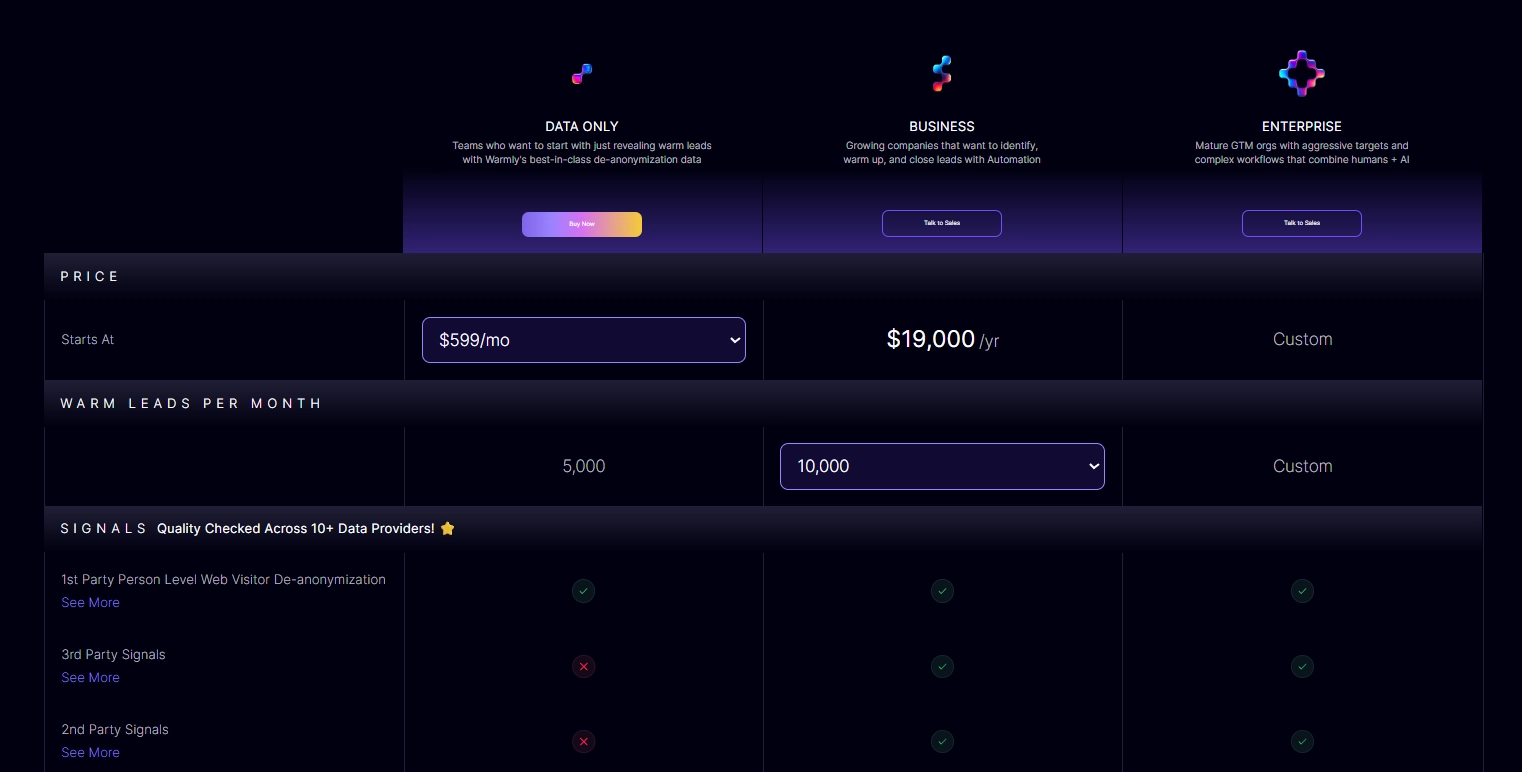









![AI Data Enrichment: What Is It & How To Do It [2026]](https://cdn.prod.website-files.com/6506fc5785bd592c468835e0/68484a9db54a37418516cbfc_ai_data_enrichment.webp)